Education is a cornerstone of our charity’s work and stands alongside hands-on animal care as an equally important pillar of our mission. While providing direct care to animals in need is essential, we strongly believe that long-term and sustainable change begins with education—particularly when that education involves children.
Elisa Geskou, veterinarian and Equine Care Programme Coordinator, firmly believes that meaningful behaviour change can occur when young children, especially those between the ages of 6 and 12, are engaged. At this age, values are forming, curiosity is high and lessons learned can last a lifetime.
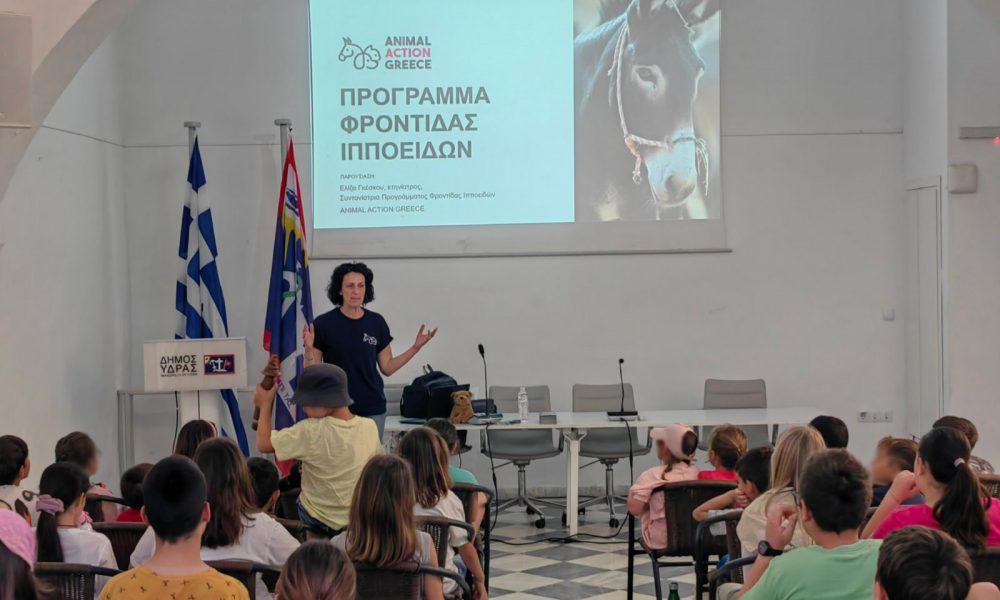
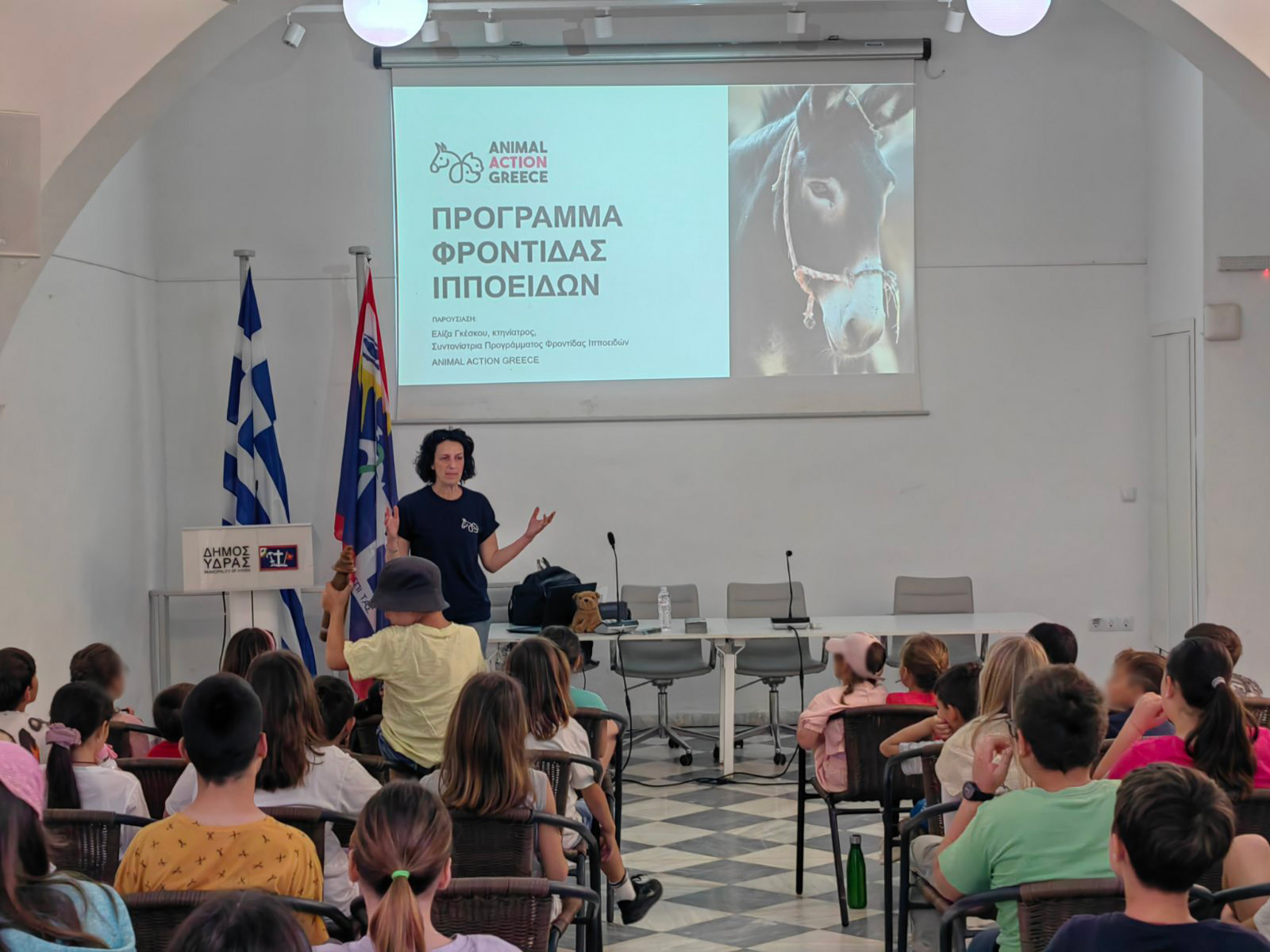
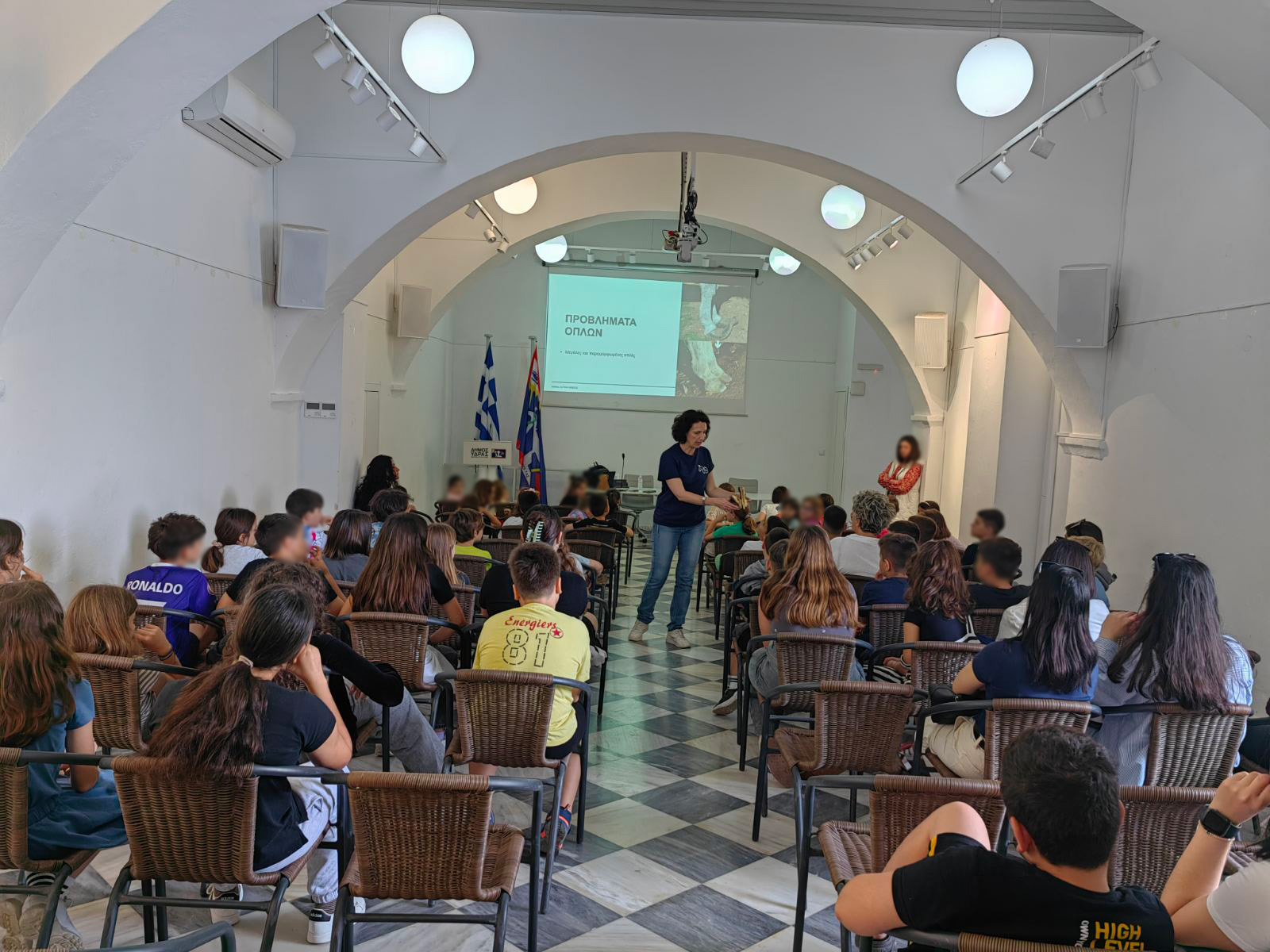
Over the past year, we had the pleasure of delivering a welfare presentation on strays and working equines at the two primary schools of Hydra. The children explored what responsible pet ownership is, the struggles strays face and what Greek animal welfare laws say, how we can all be part of the solution, through neutering, microchipping, and kindness and even tackled a multiple-choice quiz to check their knowledge while having fun! They also had the chance to be informed on the Equine Care Programme and the services provided to the equines of Hydra, as well as the common problems that the equines face on the island. The experience was as rewarding as it was inspiring. The session aimed to help children understand the lives, needs and challenges faced by stray animals and working equines, while encouraging empathy, responsibility and kindness toward all living beings.
Feedback plays a vital role in our work. Knowing what went well, what could be improved, and what truly resonated allows our team to continuously refine our approach. Understanding what succeeds or fails gives us the knowledge needed to adapt, improve, and ultimately reach our goals more effectively and efficiently.
Following the presentation, the children were invited to complete a short questionnaire which was sent to us by post, sharing what they enjoyed most, what they did not like and what they learned that was new to them. The feedback was both encouraging and insightful. Every reply reflected genuine enjoyment of the presentation, the videos and interactive elements and a strong interest in learning more about animal welfare. Discovering what the children did not know prior to the presentation proved to be especially valuable feedback, as it highlighted important knowledge gaps we can intentionally address in future educational presentations.
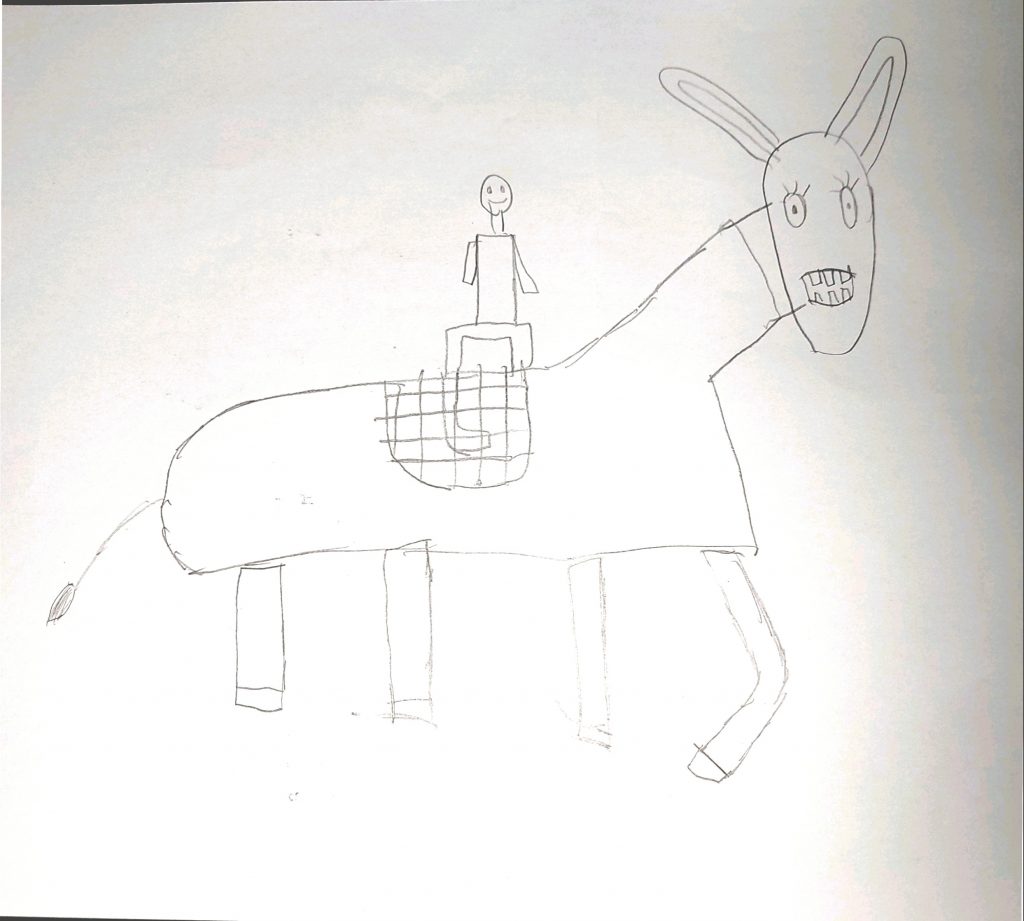
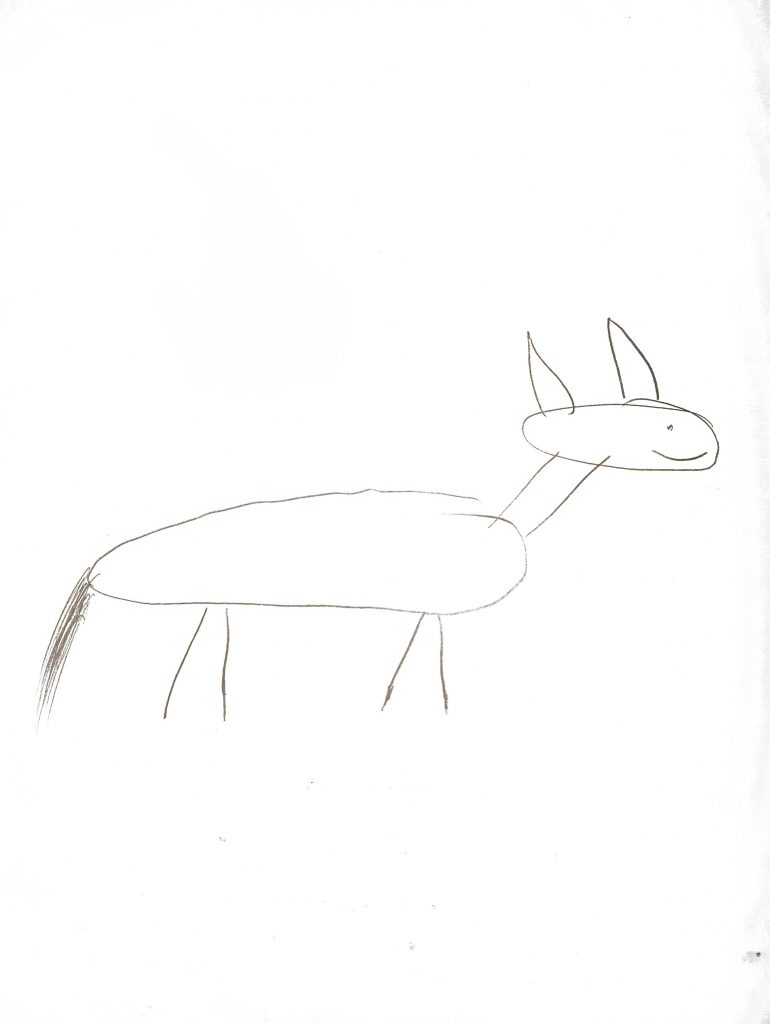
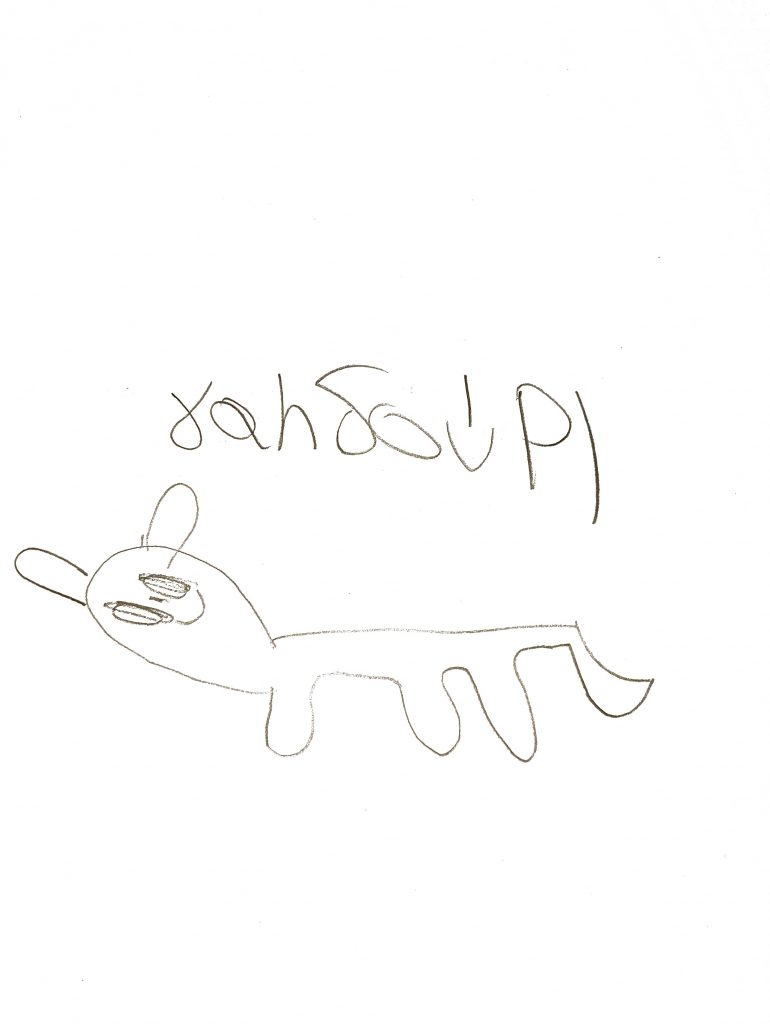
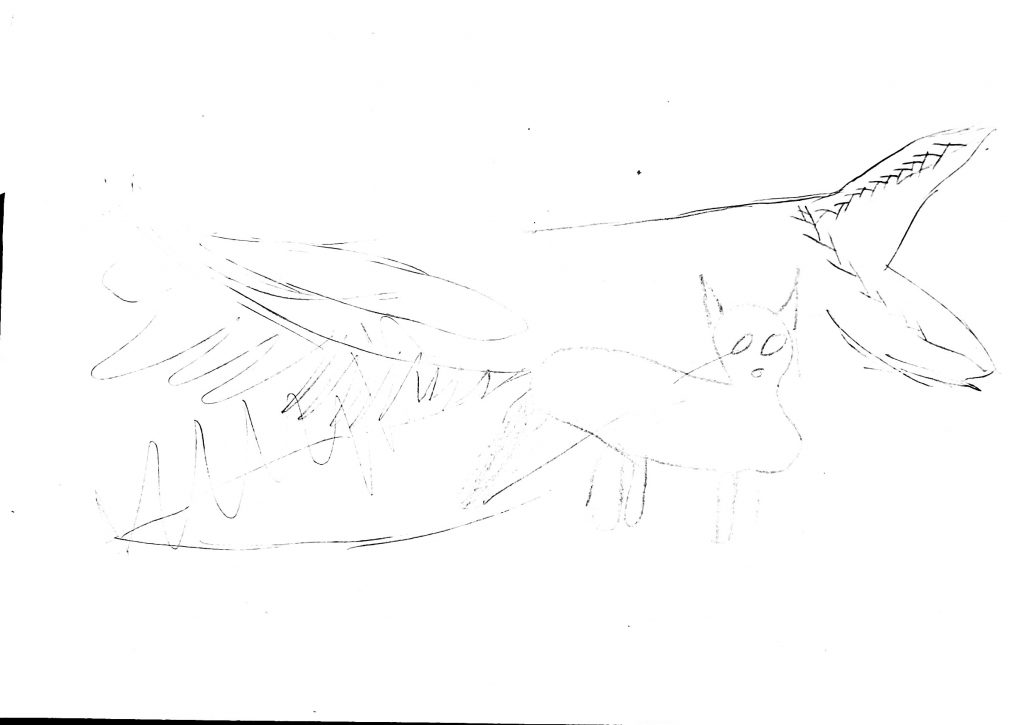
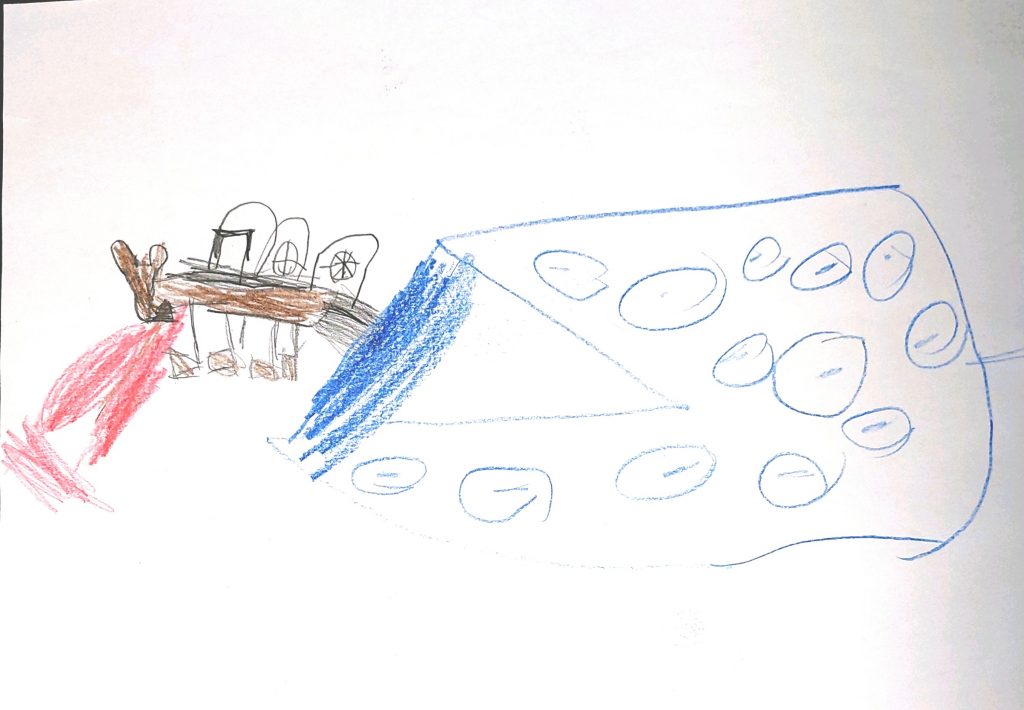
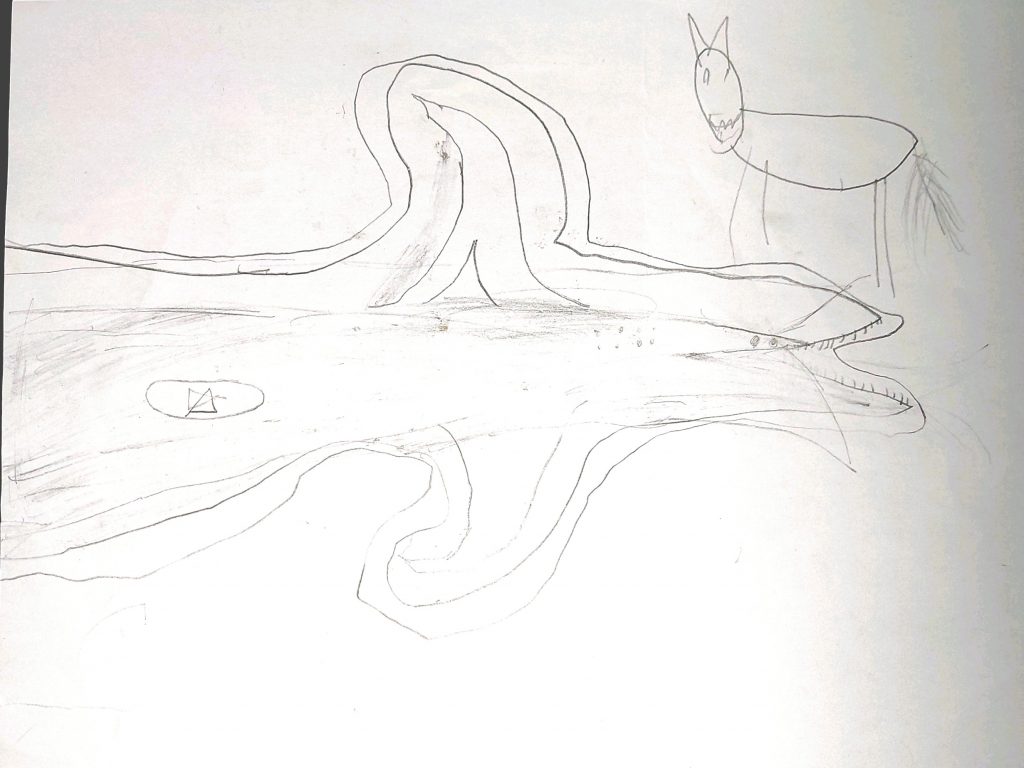
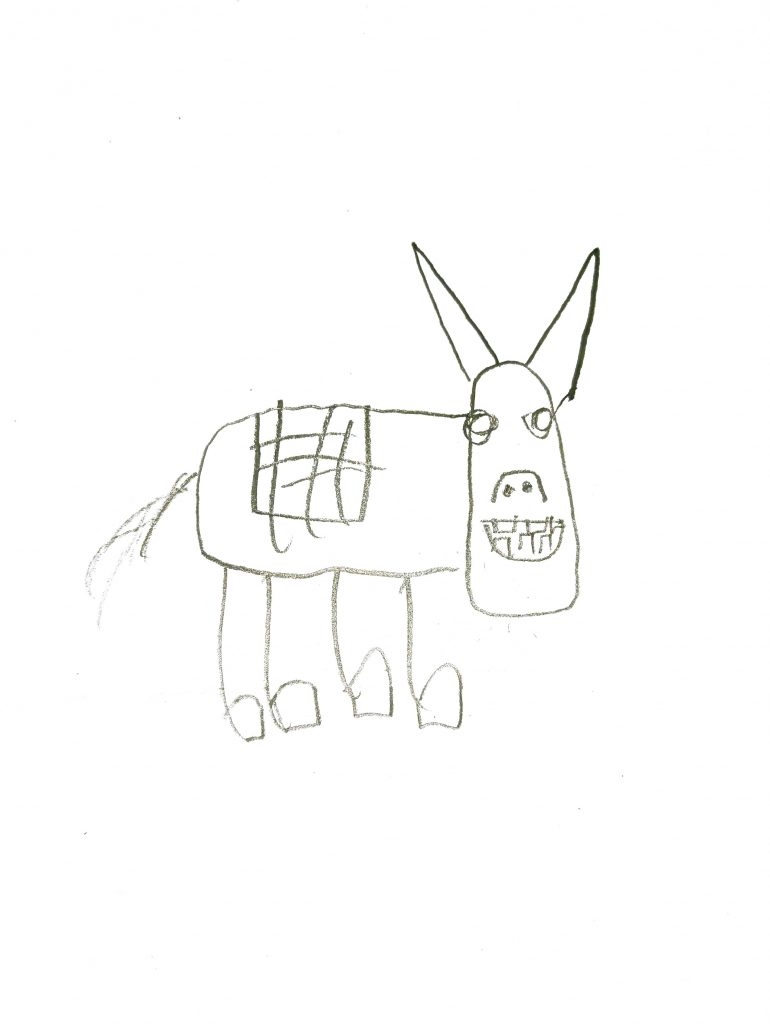
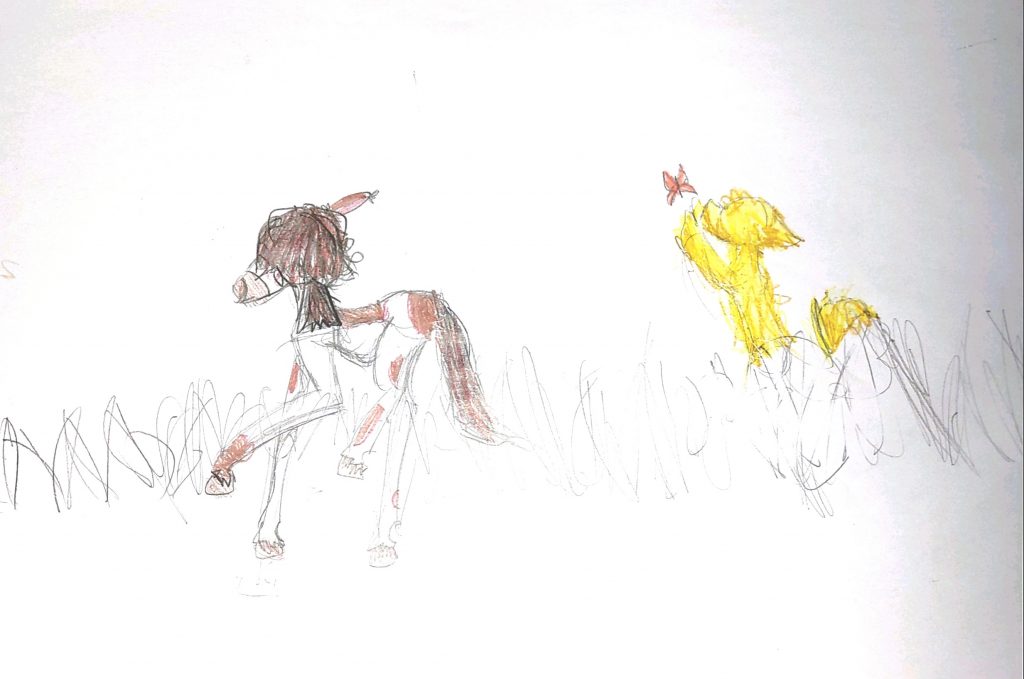
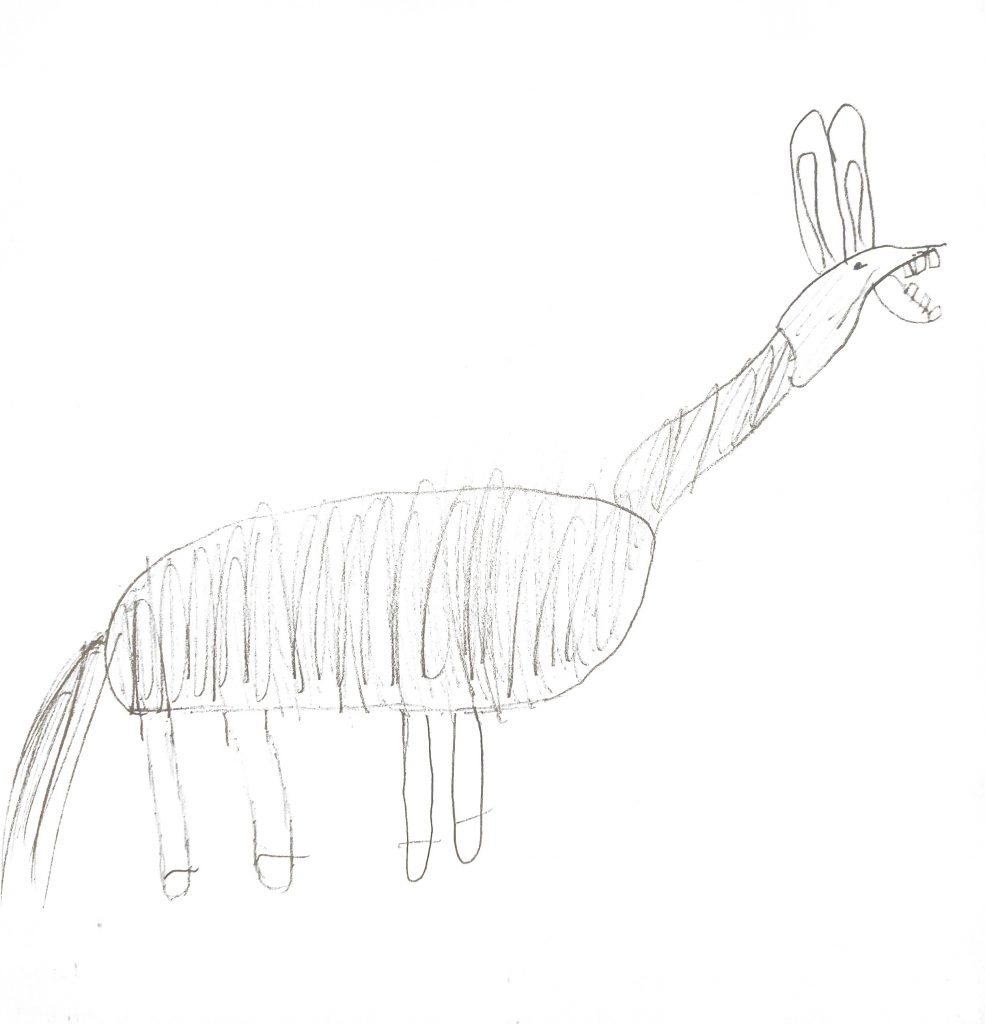
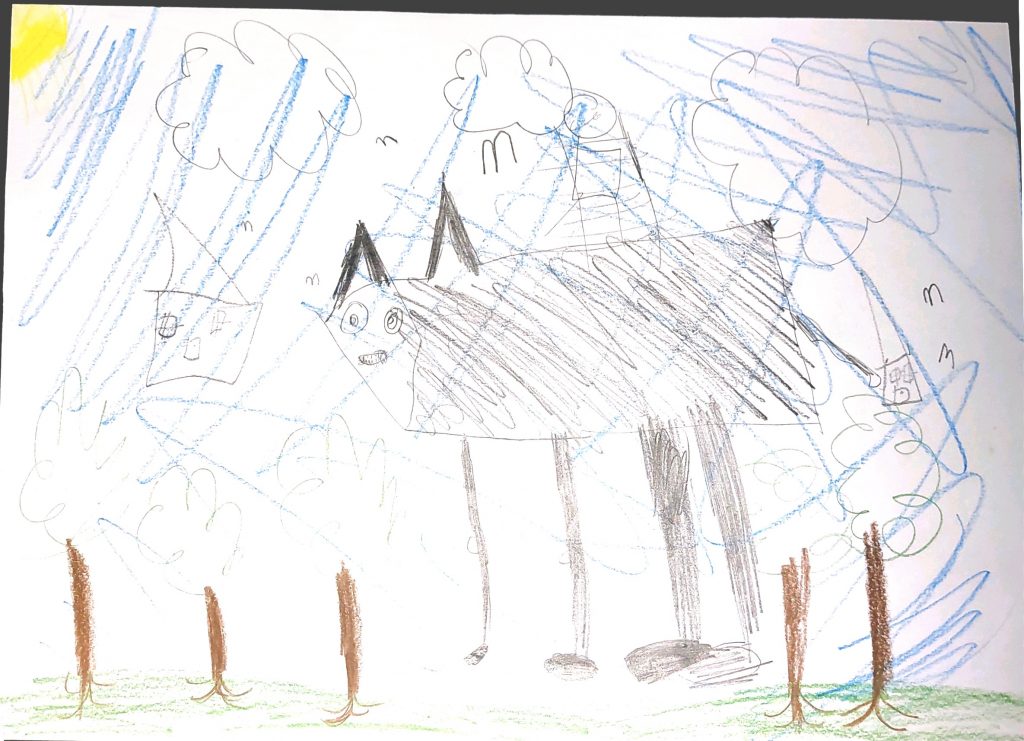
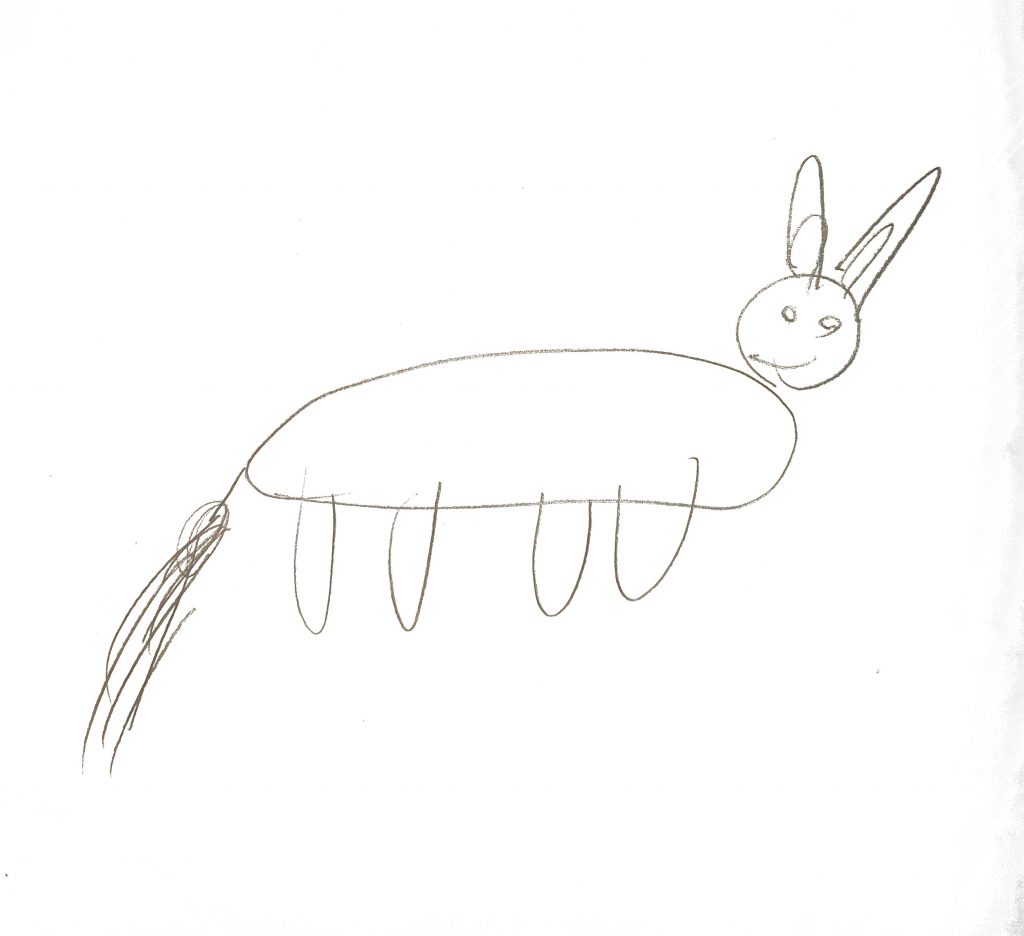
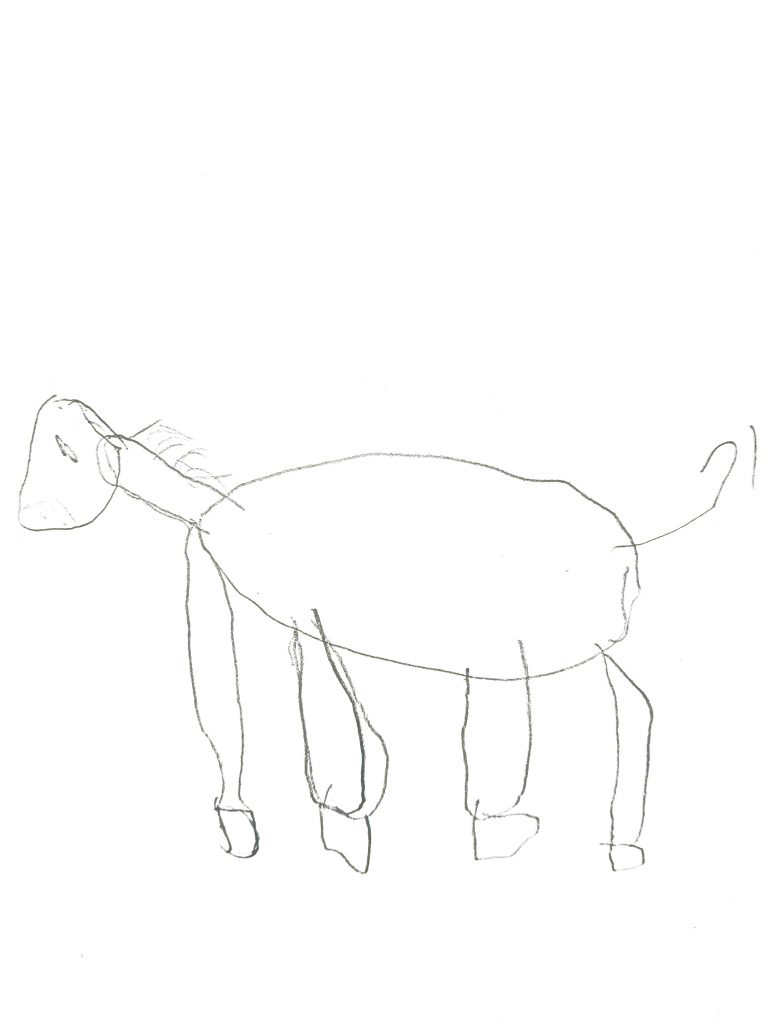
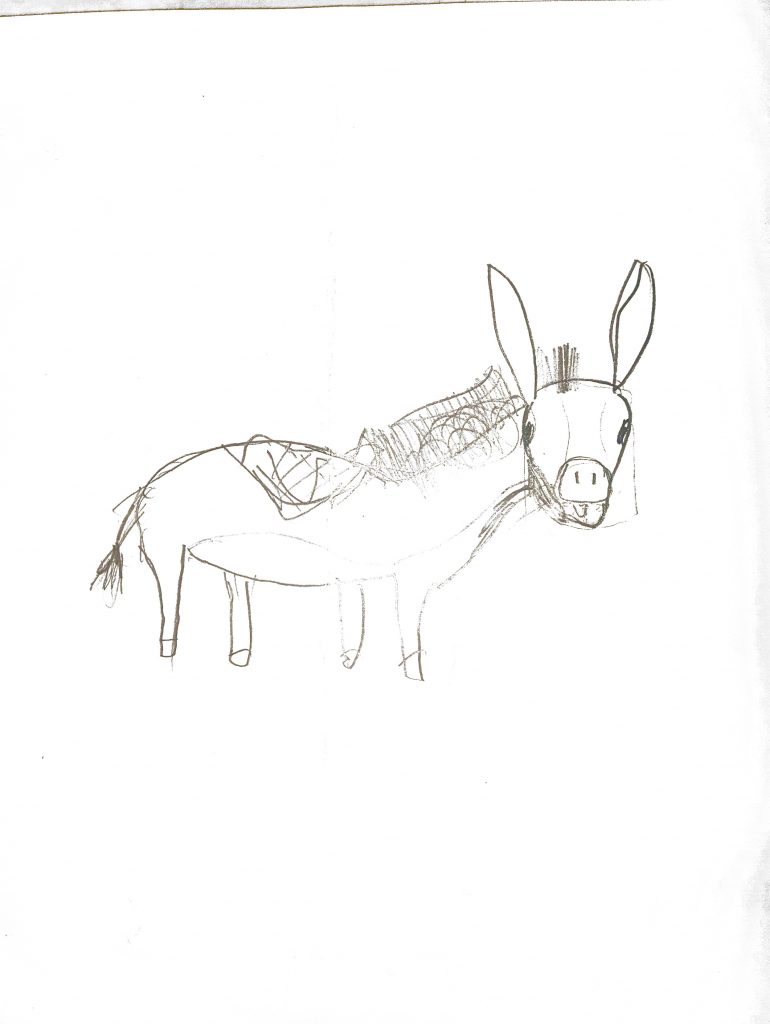
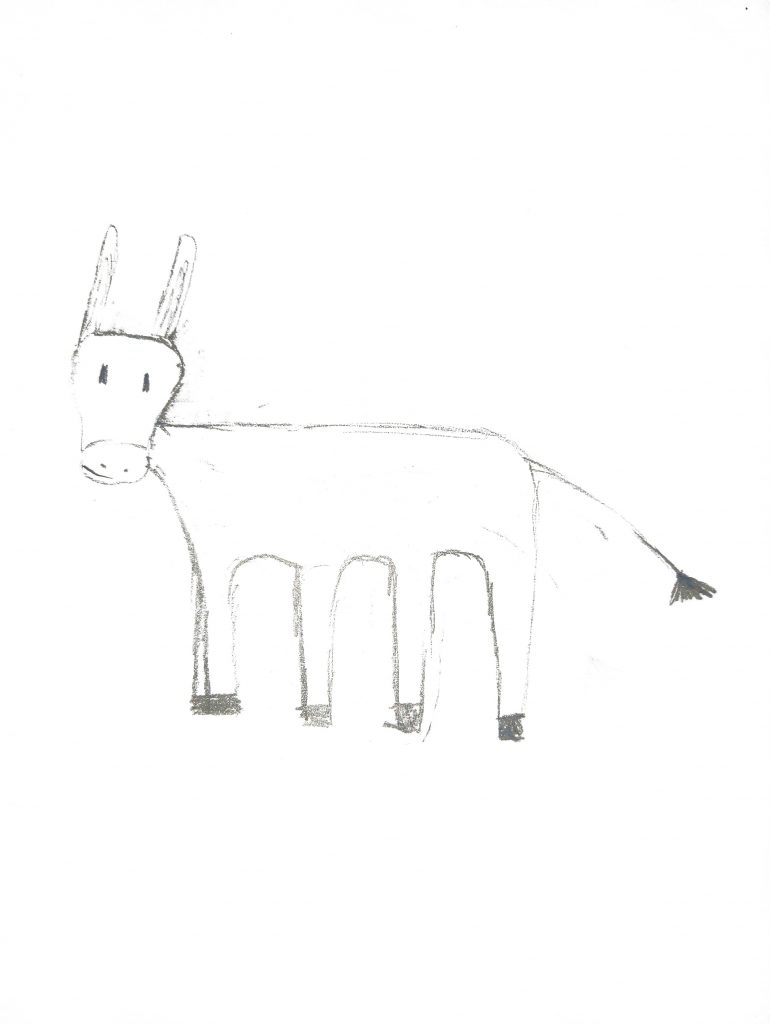
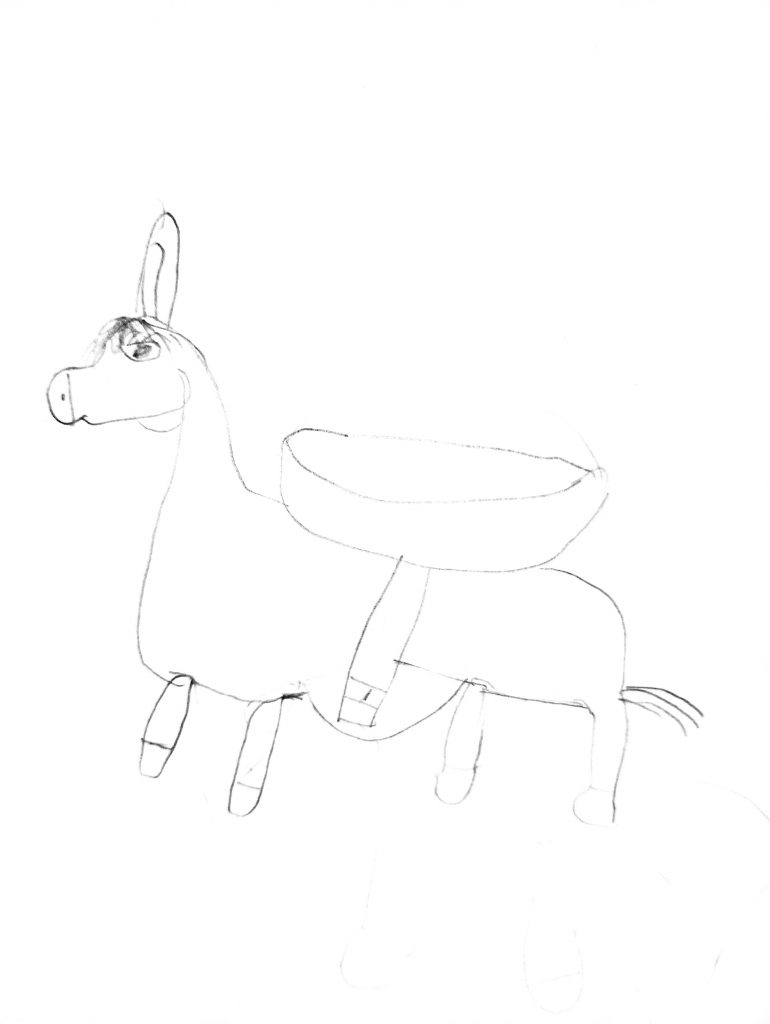
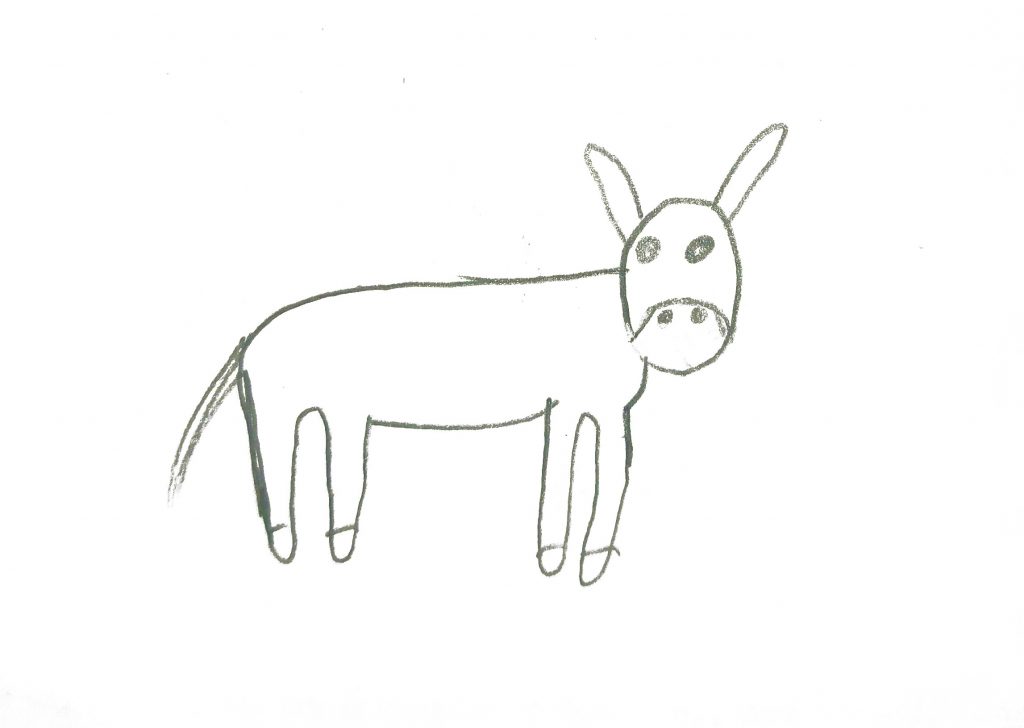
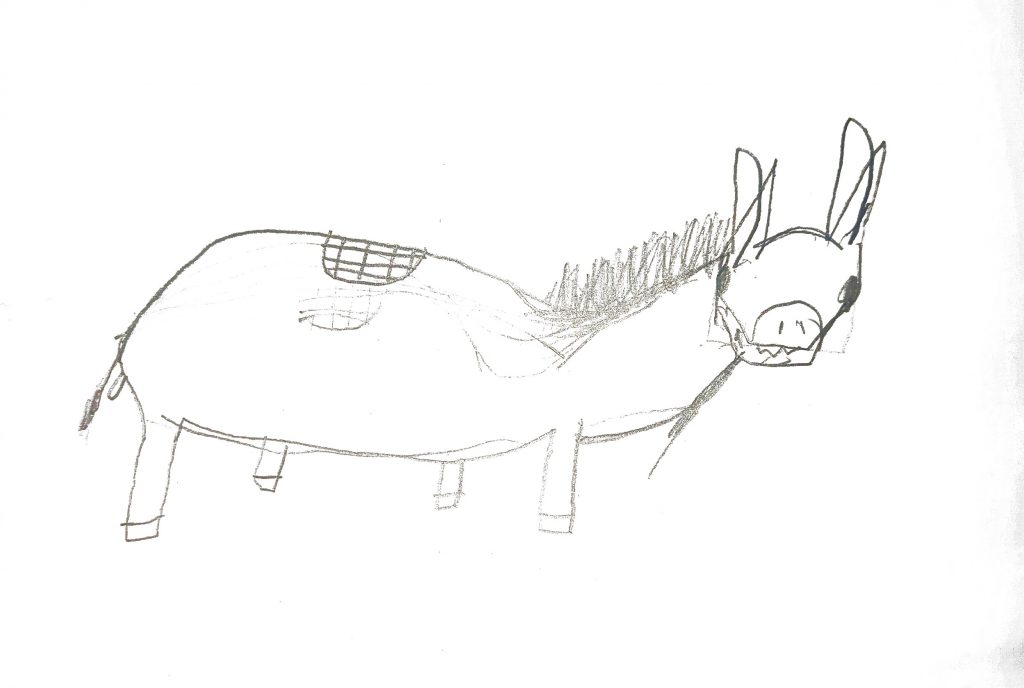
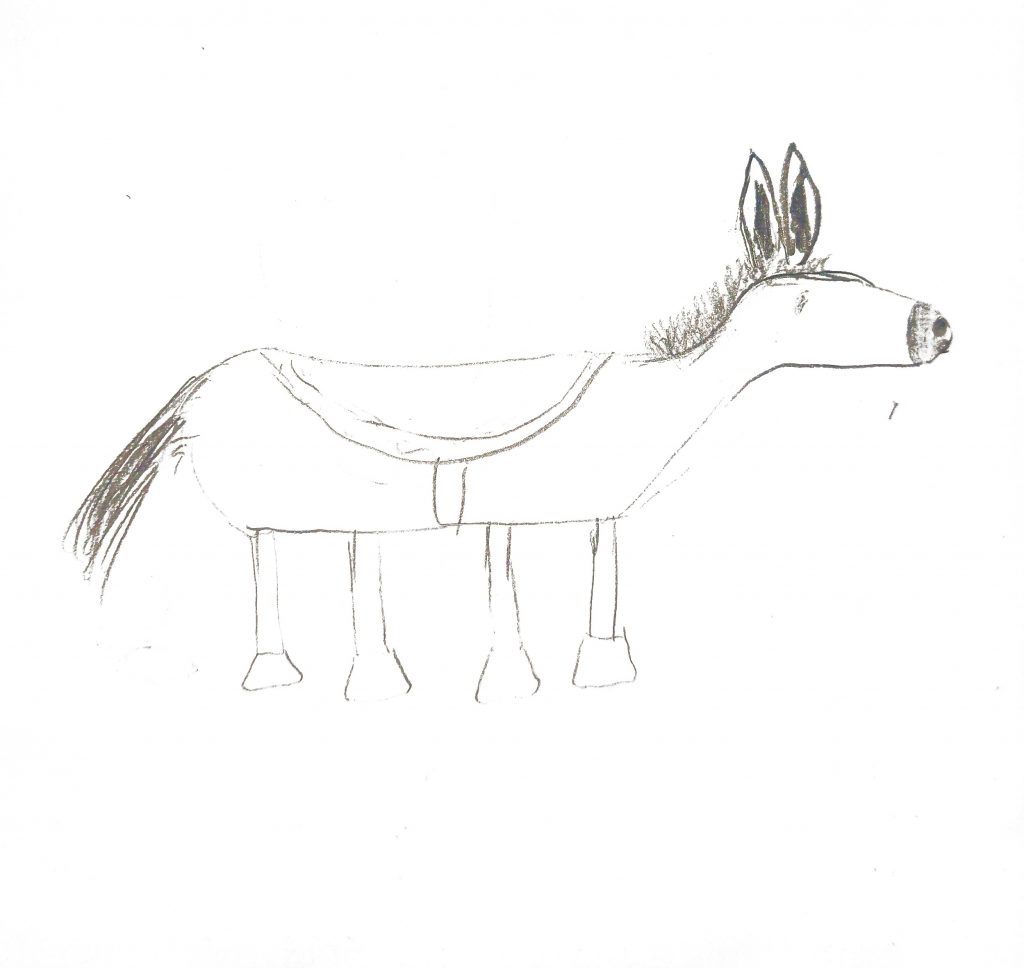
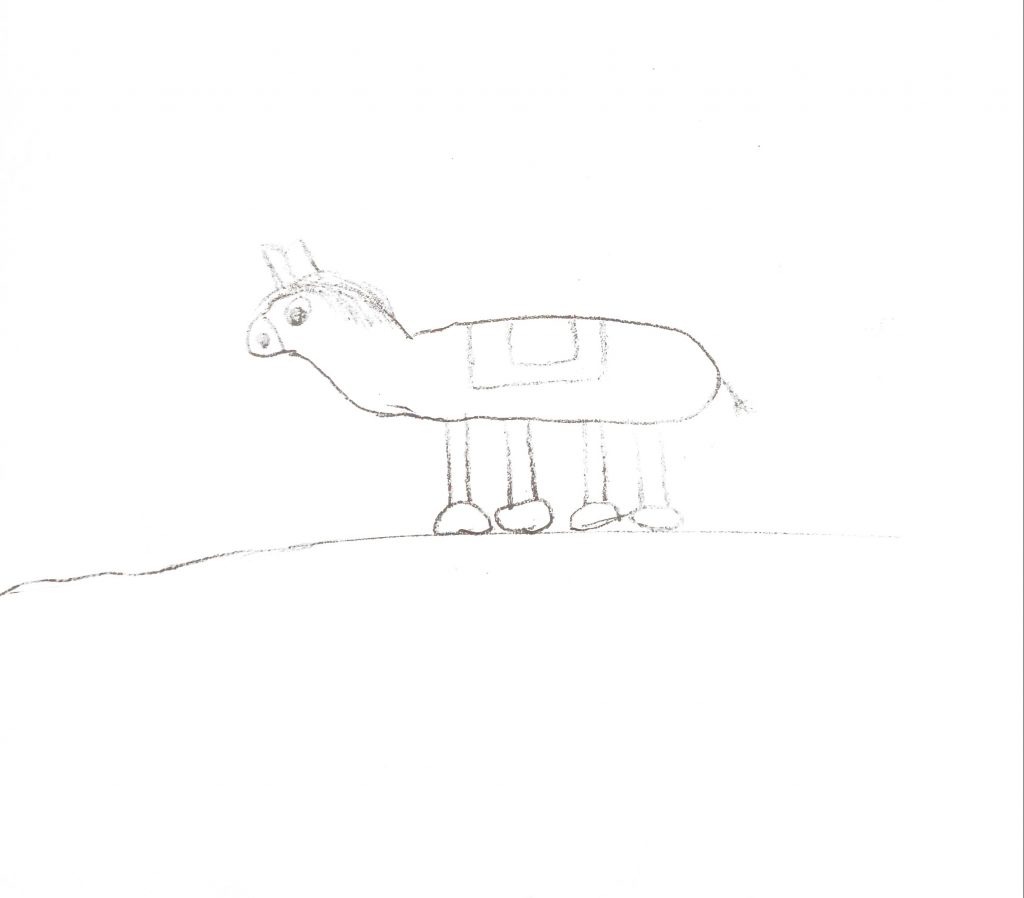
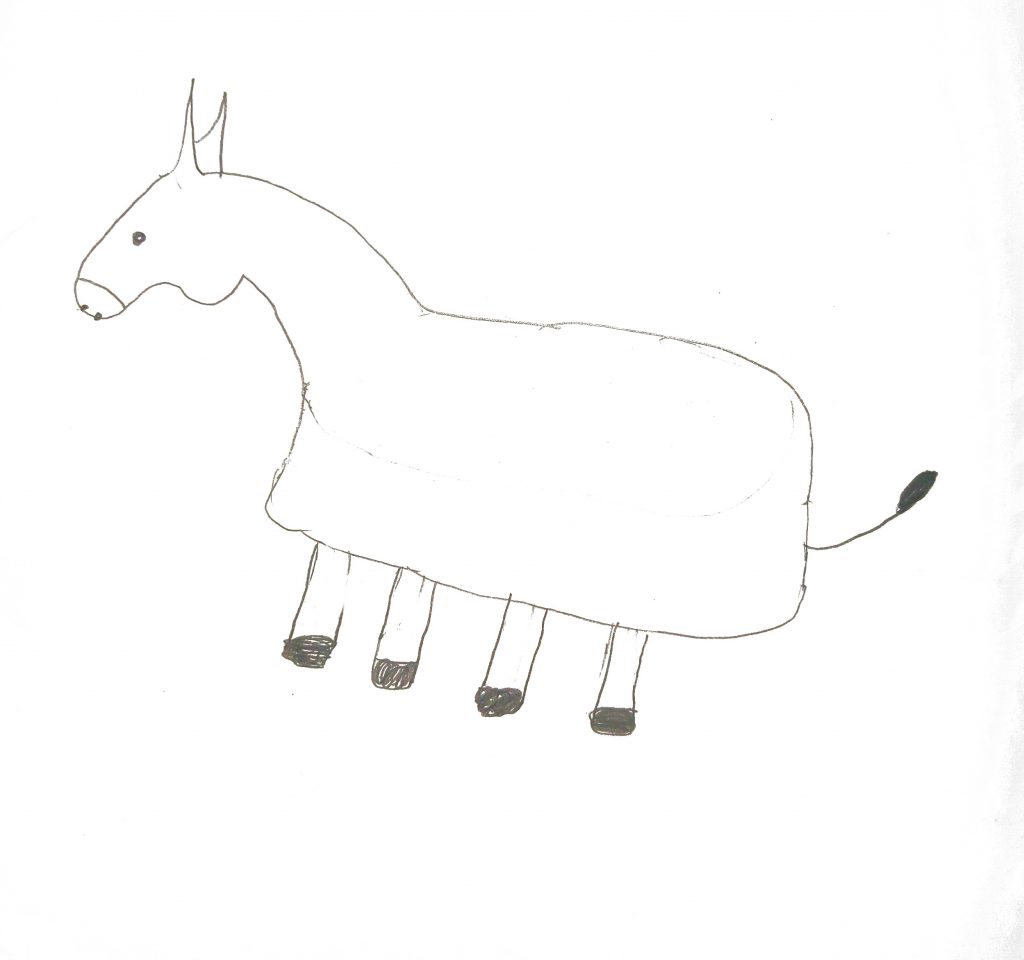
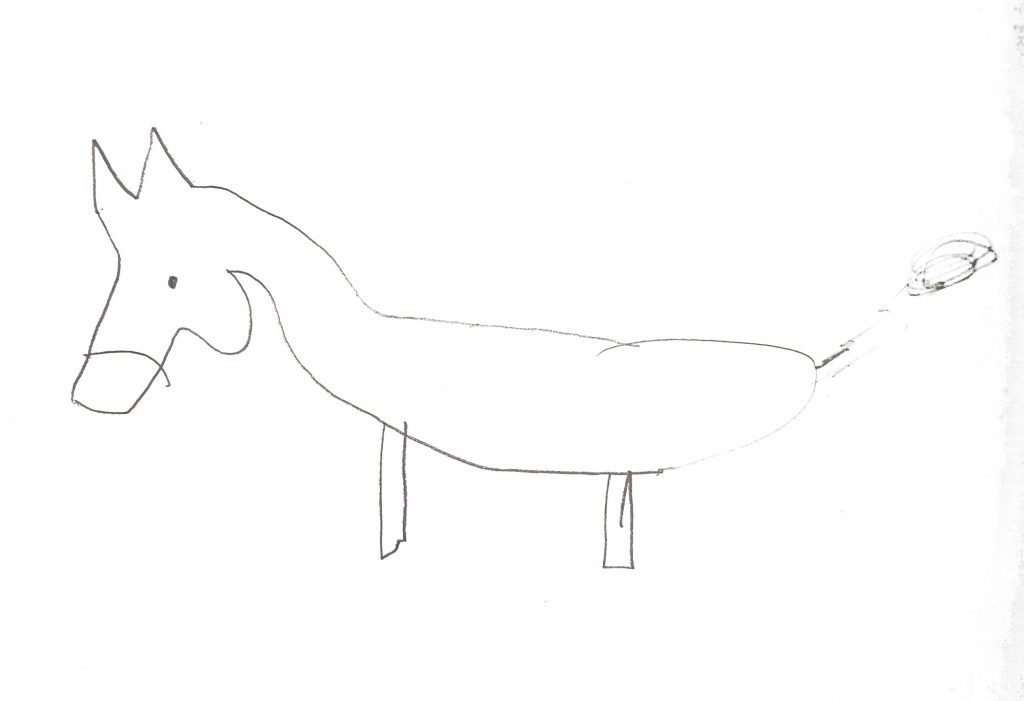
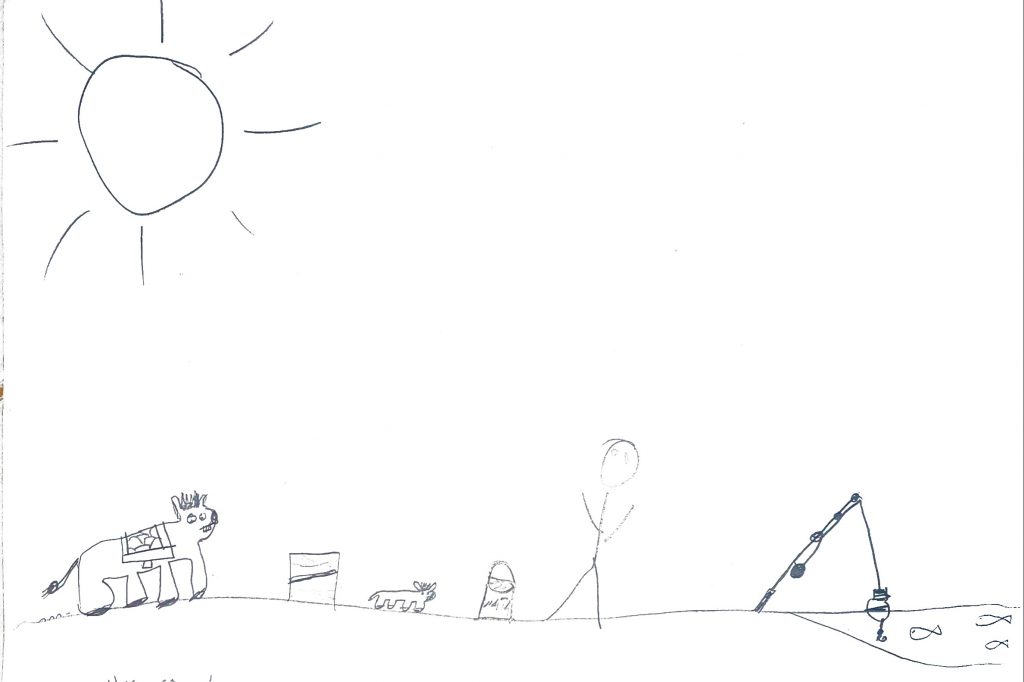
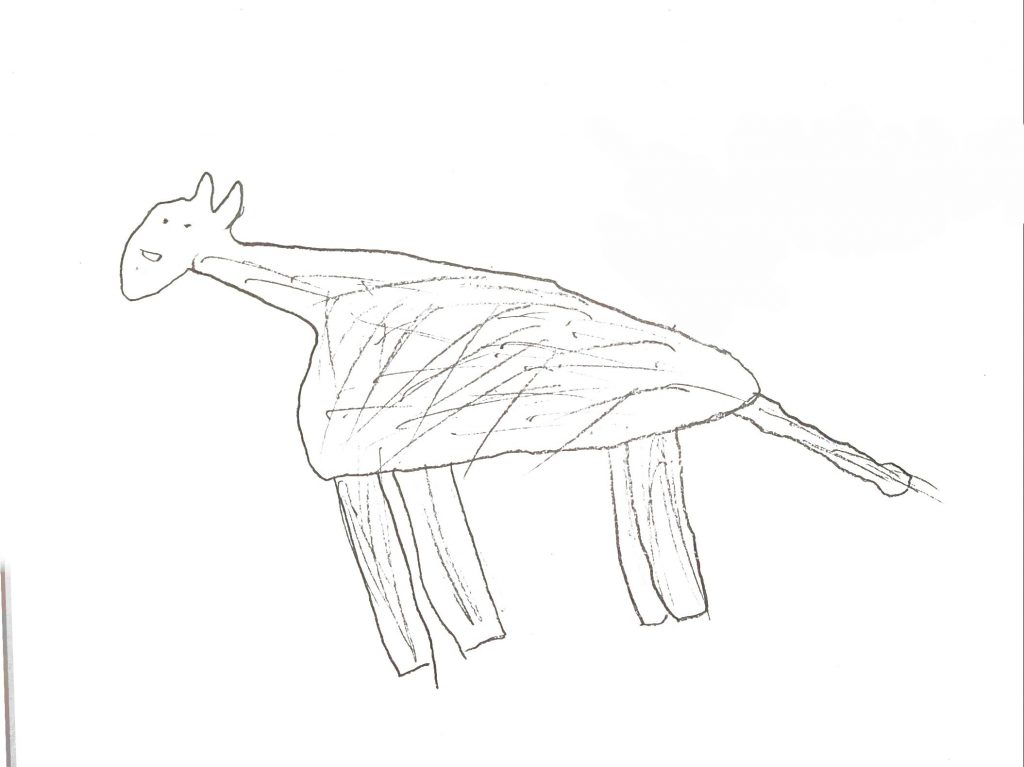
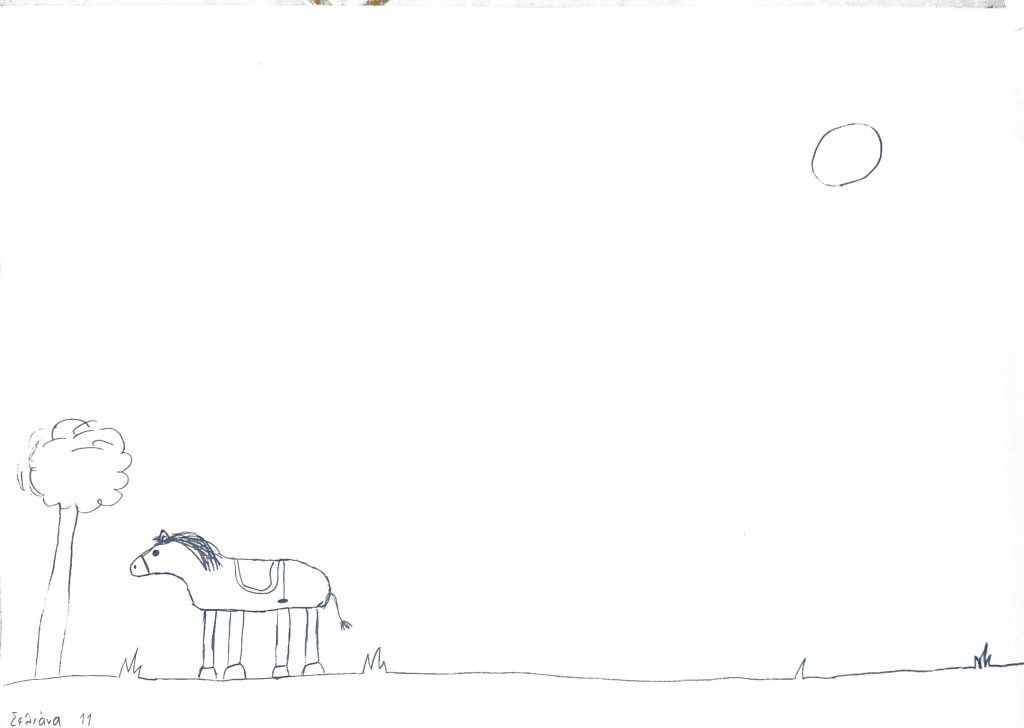
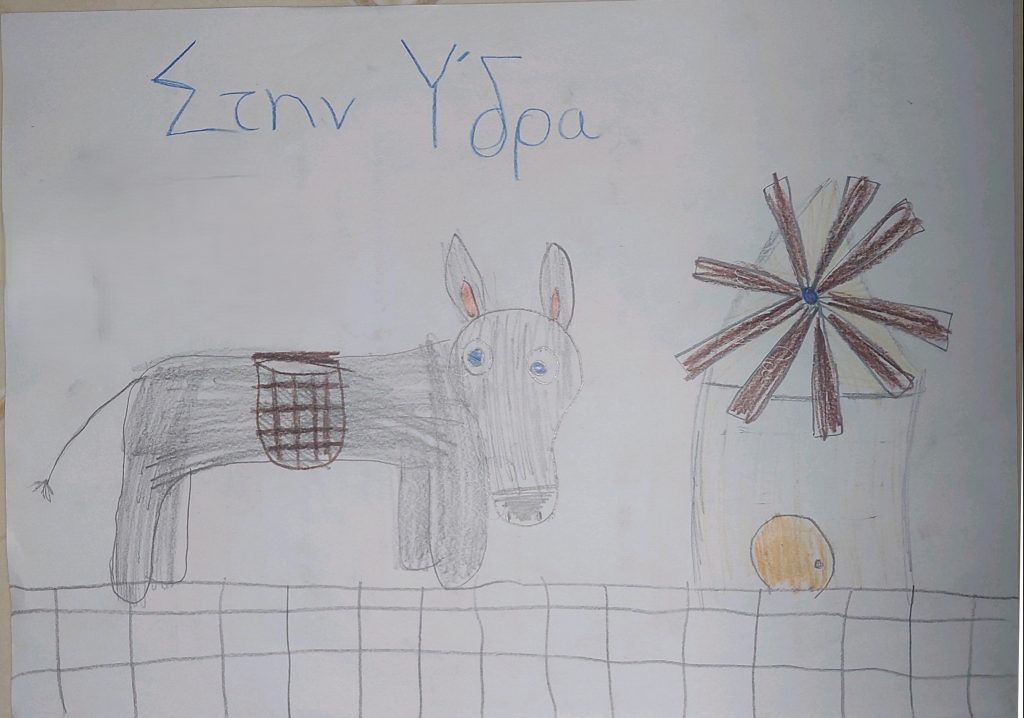
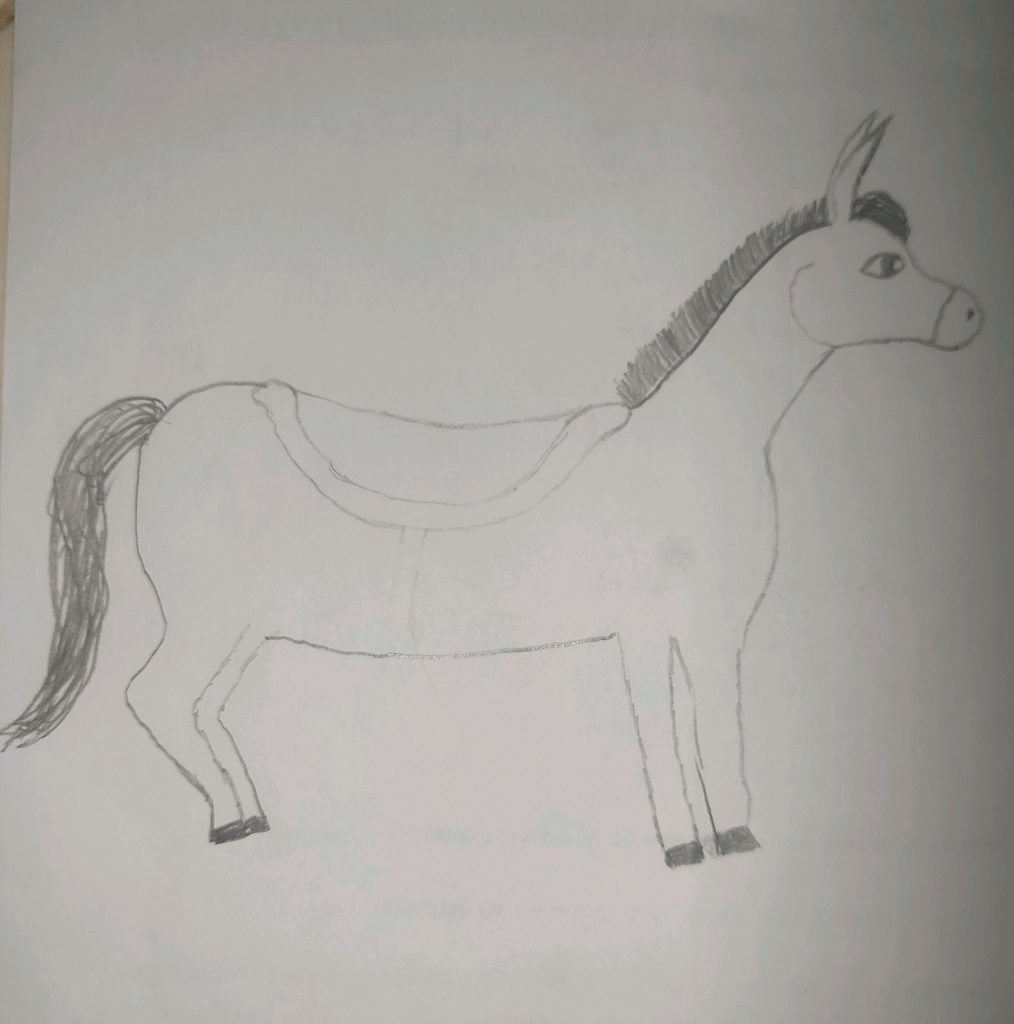
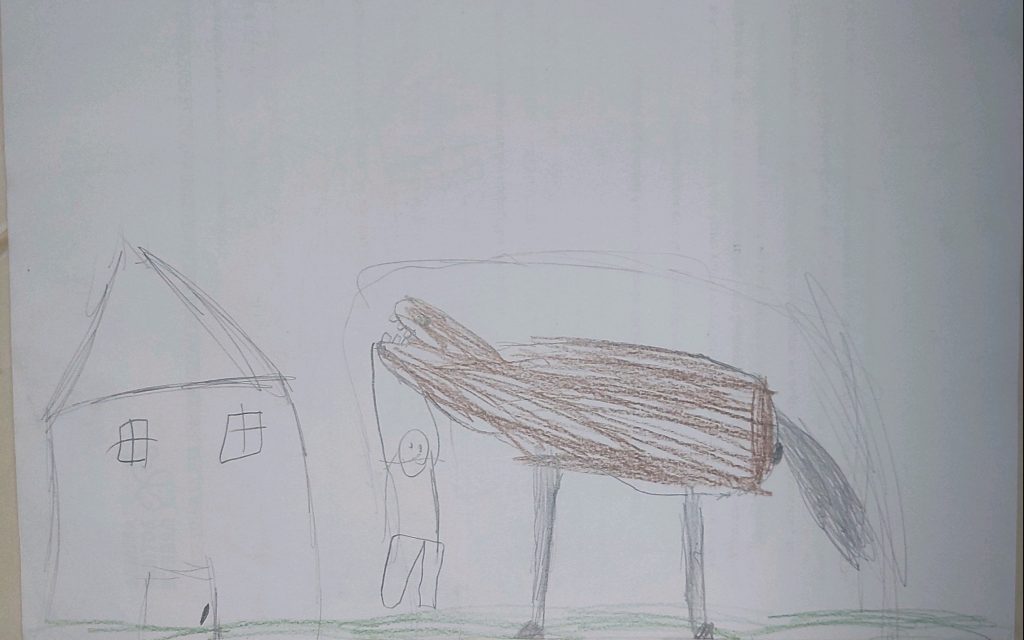
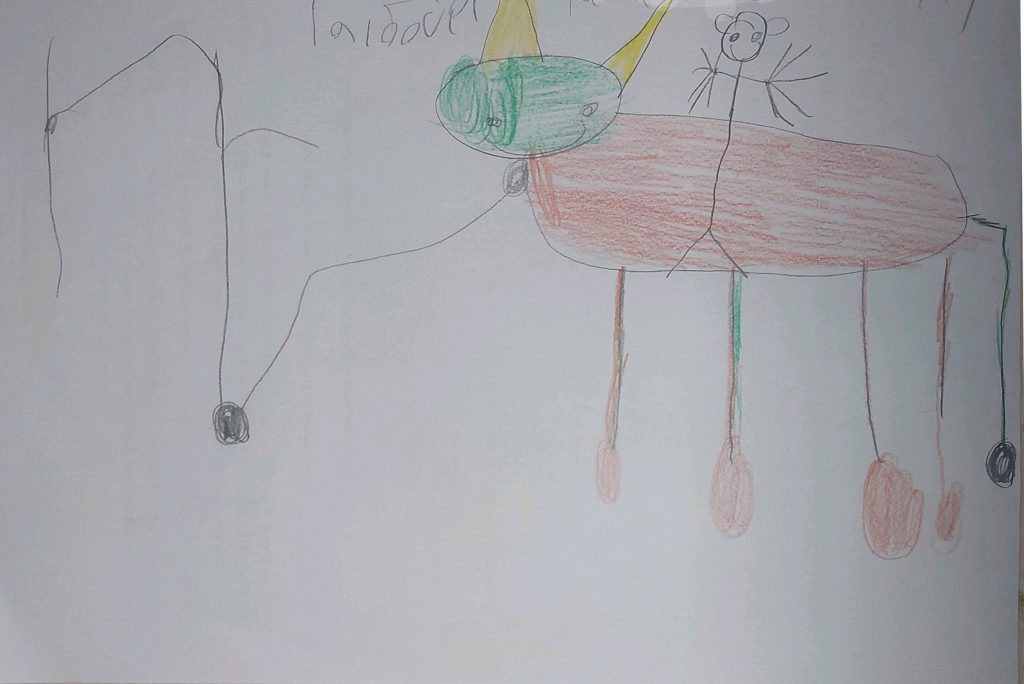
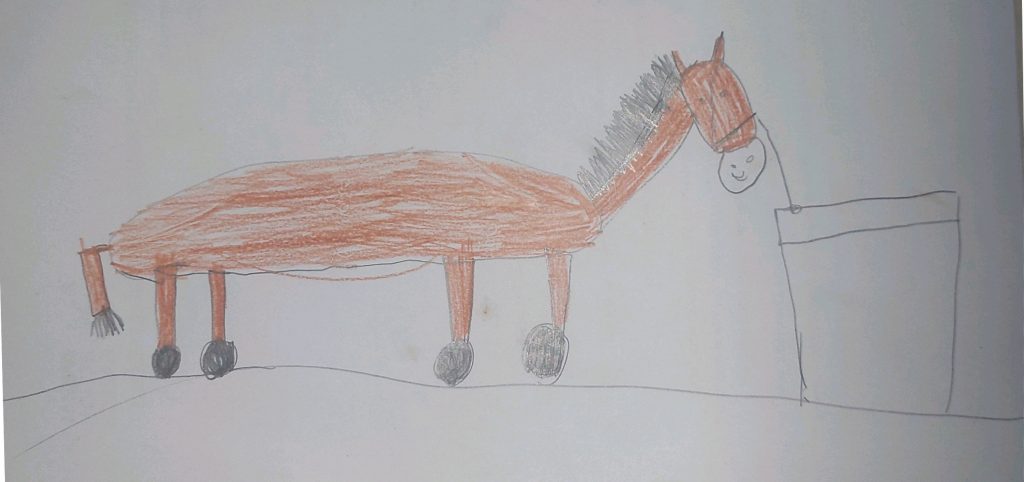
The children were also requested to draw a Hydra’s equine on the back of the questionnaire. Not an easy task for adults, let alone children aged 6 to 12! Despite the challenge, their efforts were truly remarkable. The drawings we received, whether in black and white or bursting with colour, were magnificent! Each one reflects creativity and the powerful inspiration that children carry with them, and we are delighted to share them with you.
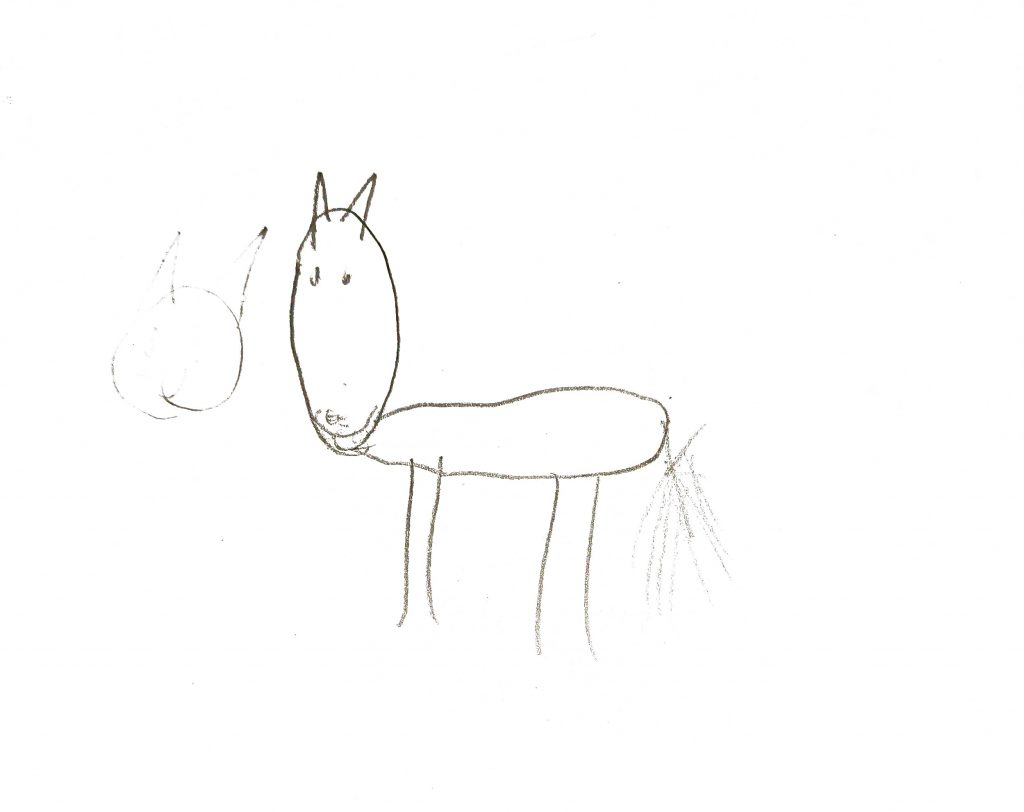
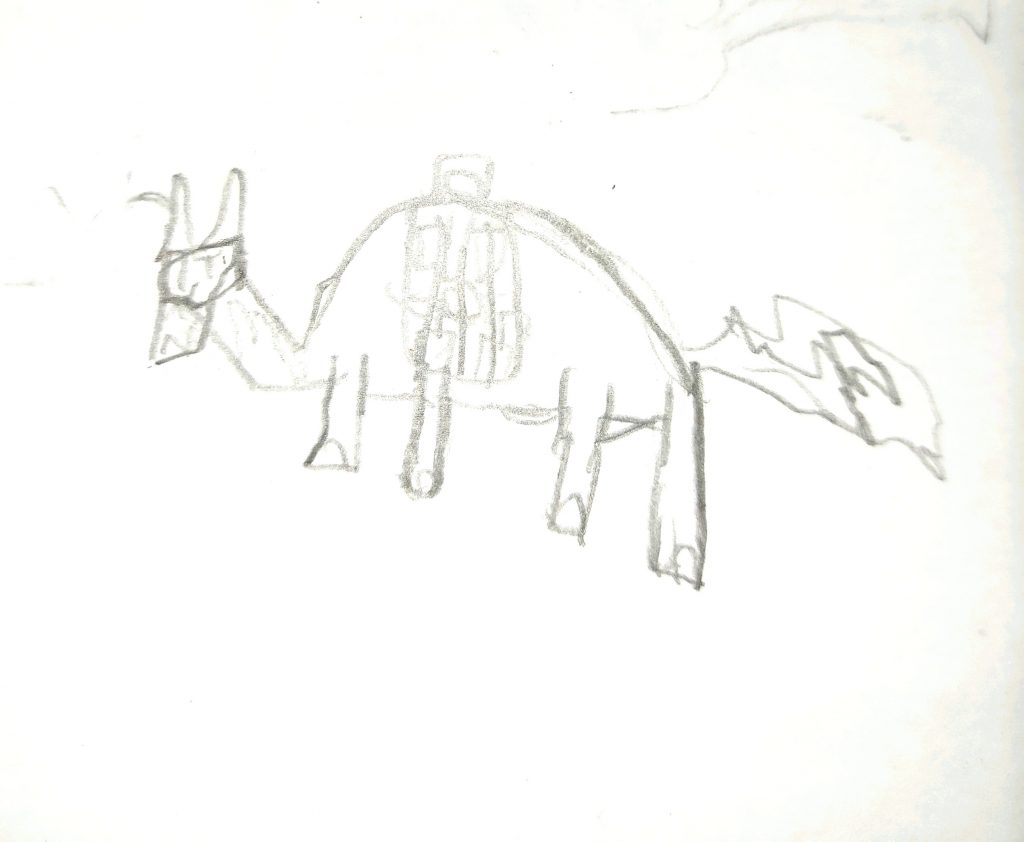
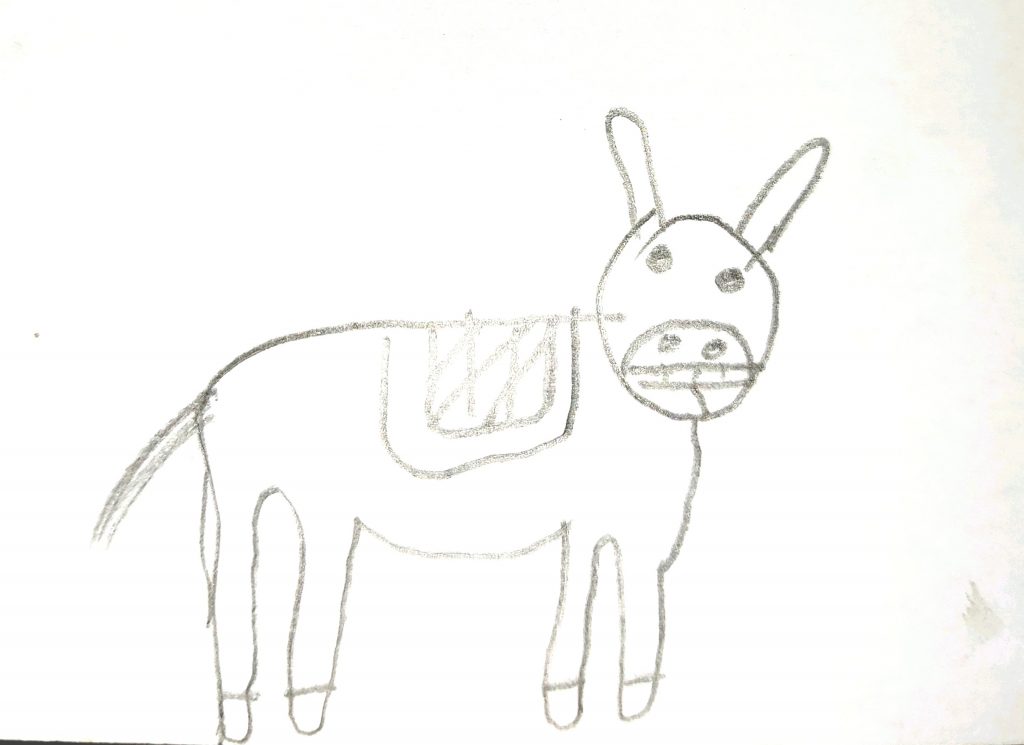
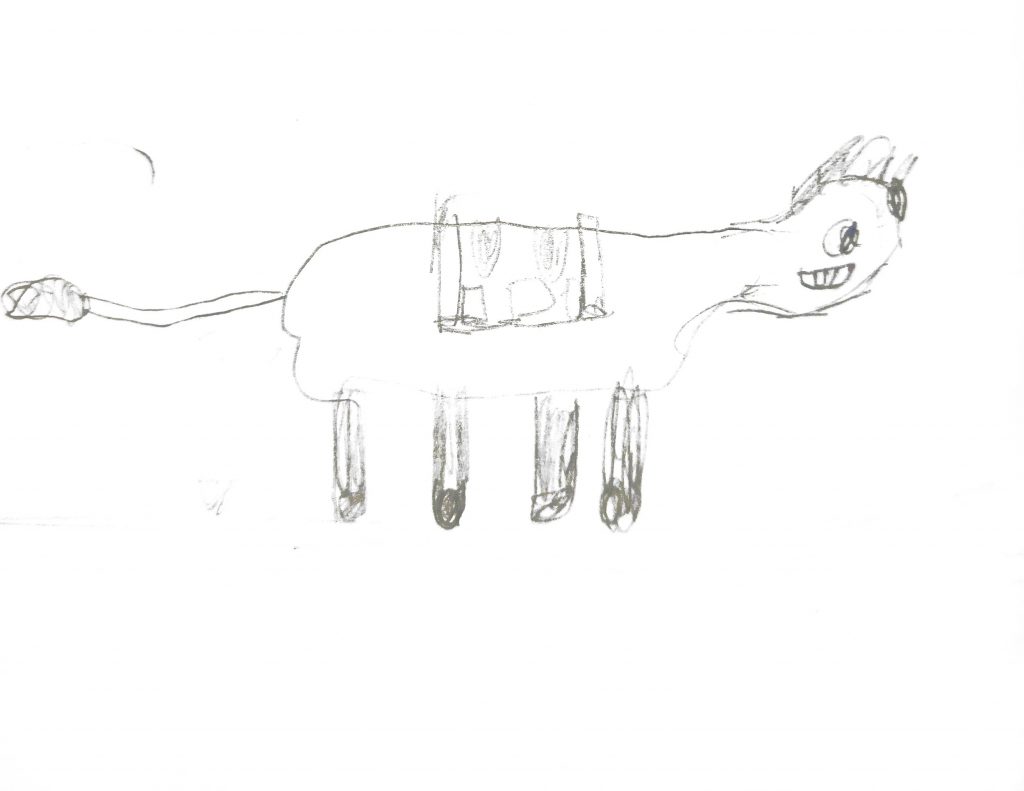
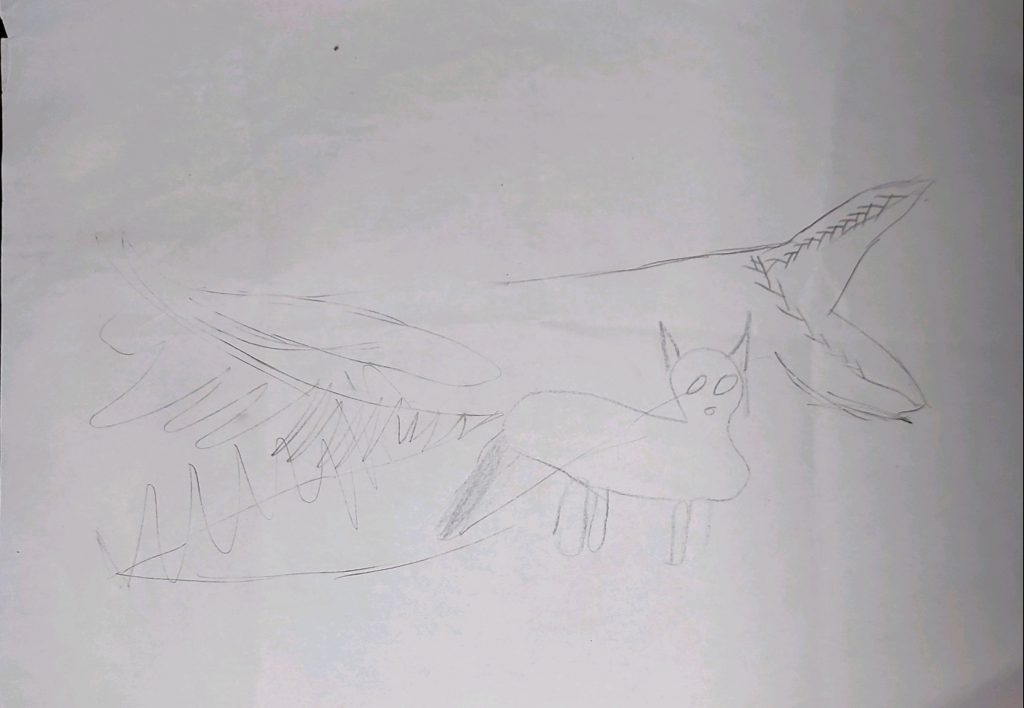
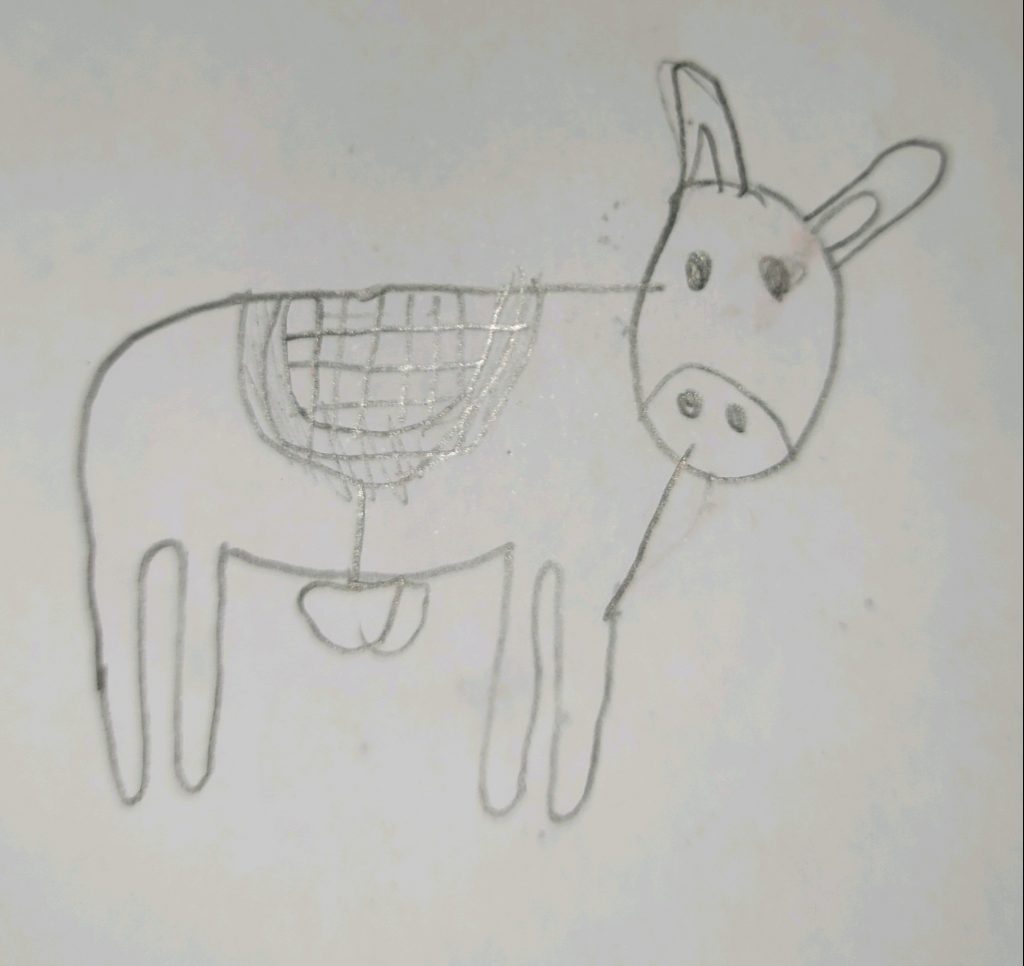
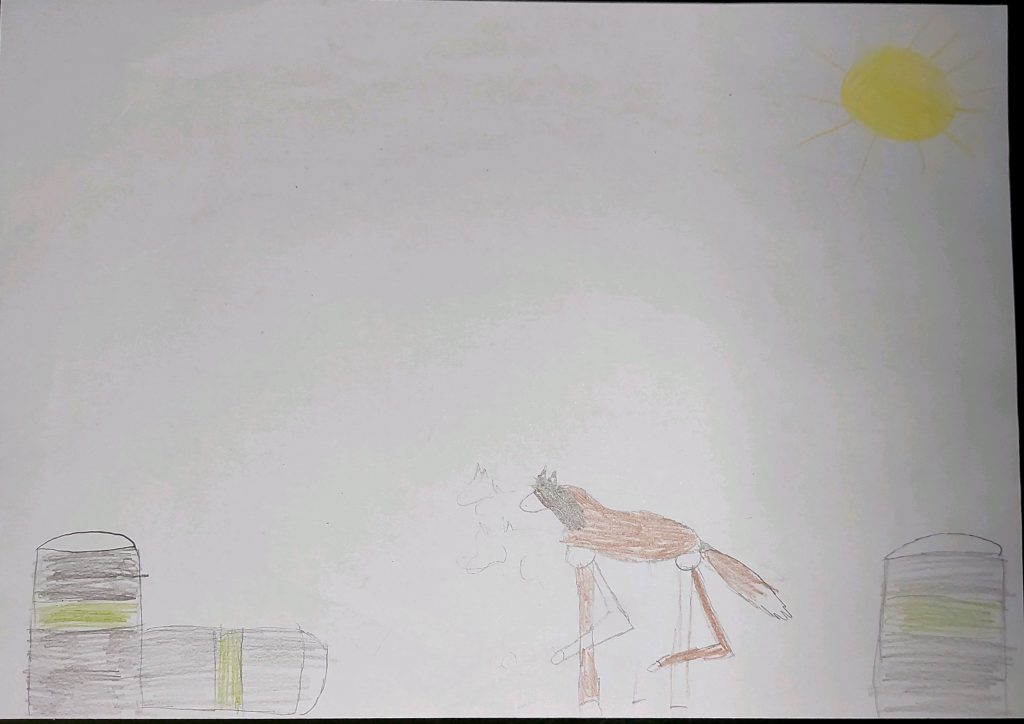
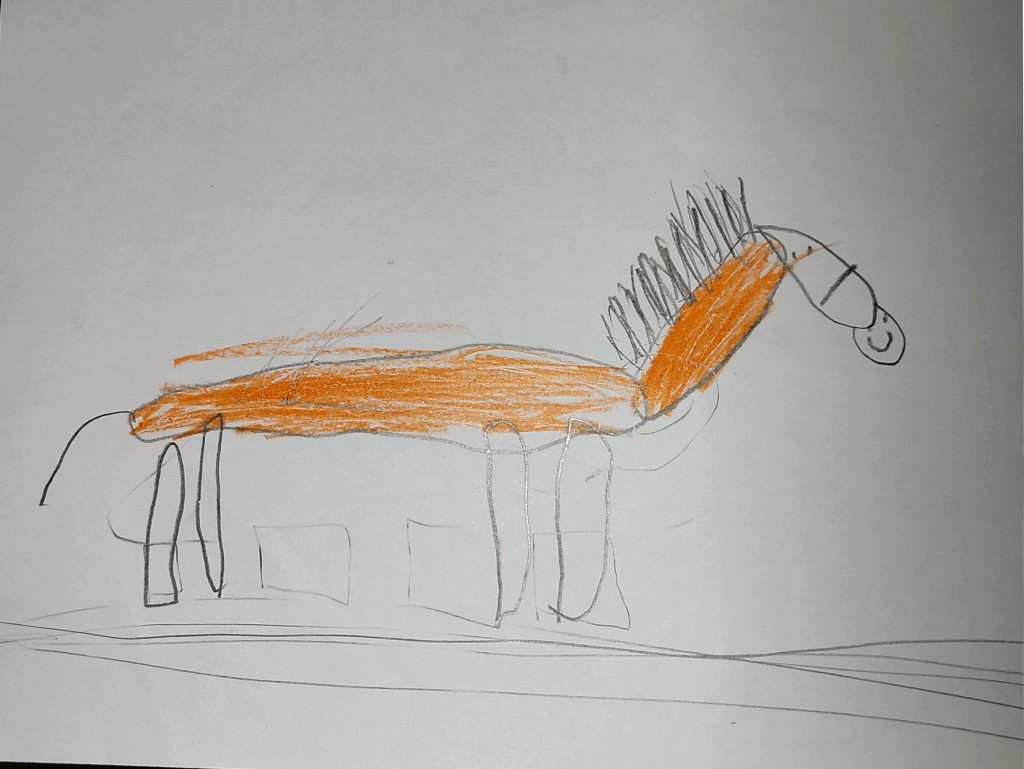
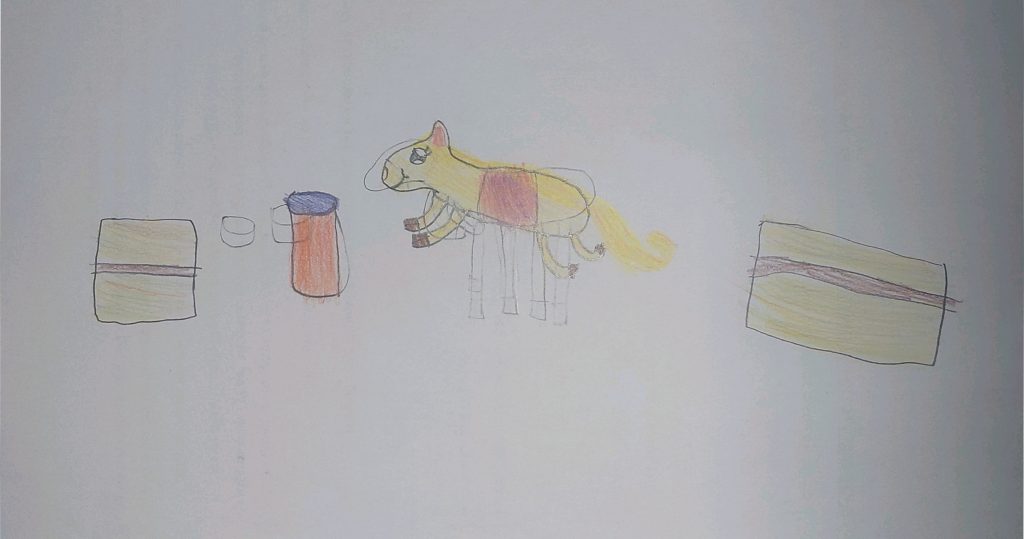
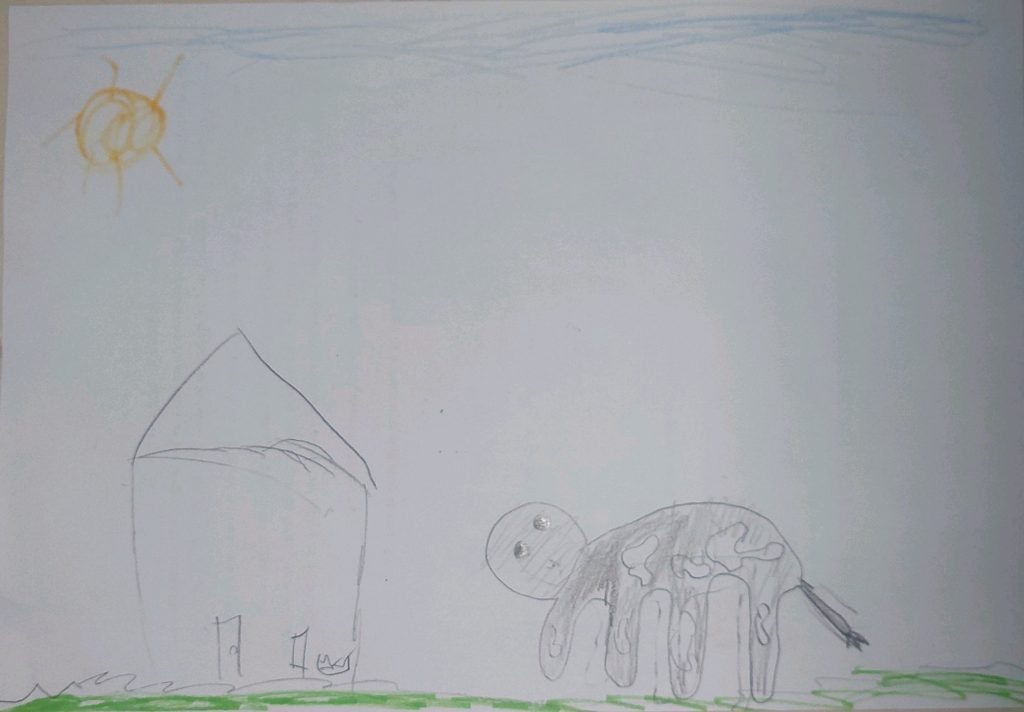
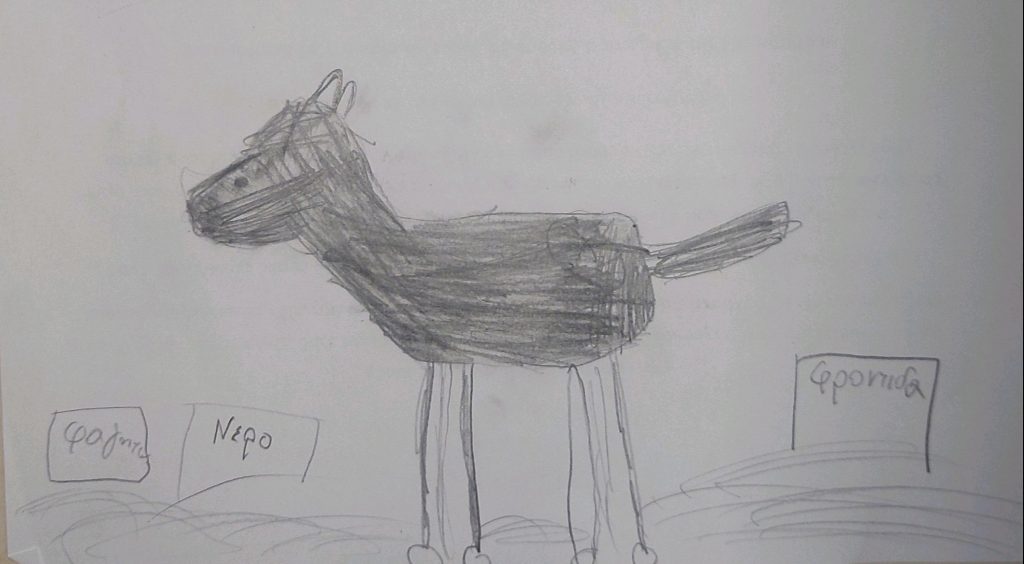
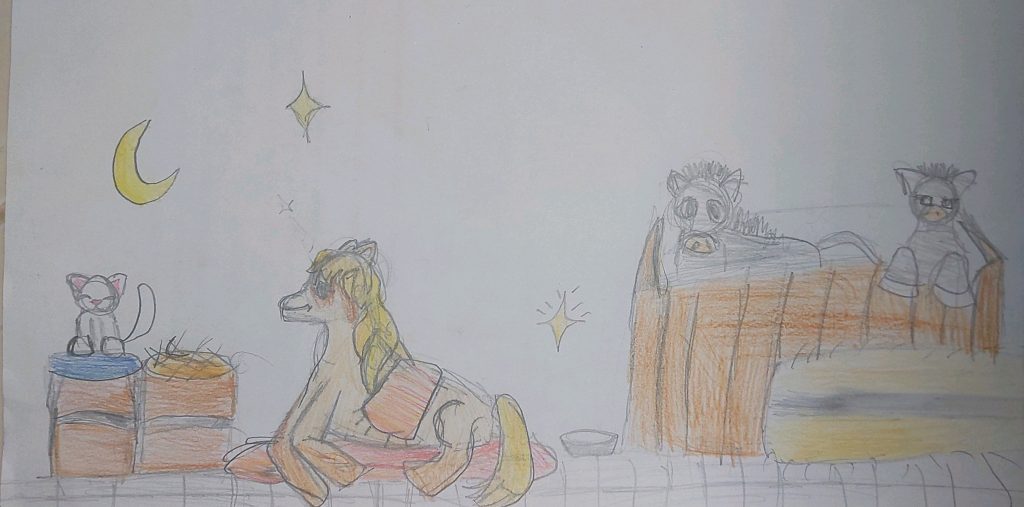
Our heartfelt thanks go to the teachers for embracing our educational initiative with such enthusiasm and to the children for their honesty, passion and creativity. Moments like these remind us why education is such a powerful tool in improving animal welfare—one young mind (and one wonderful drawing) at a time.