Caring for an Endangered Legacy: Equine Outreach on Skyros
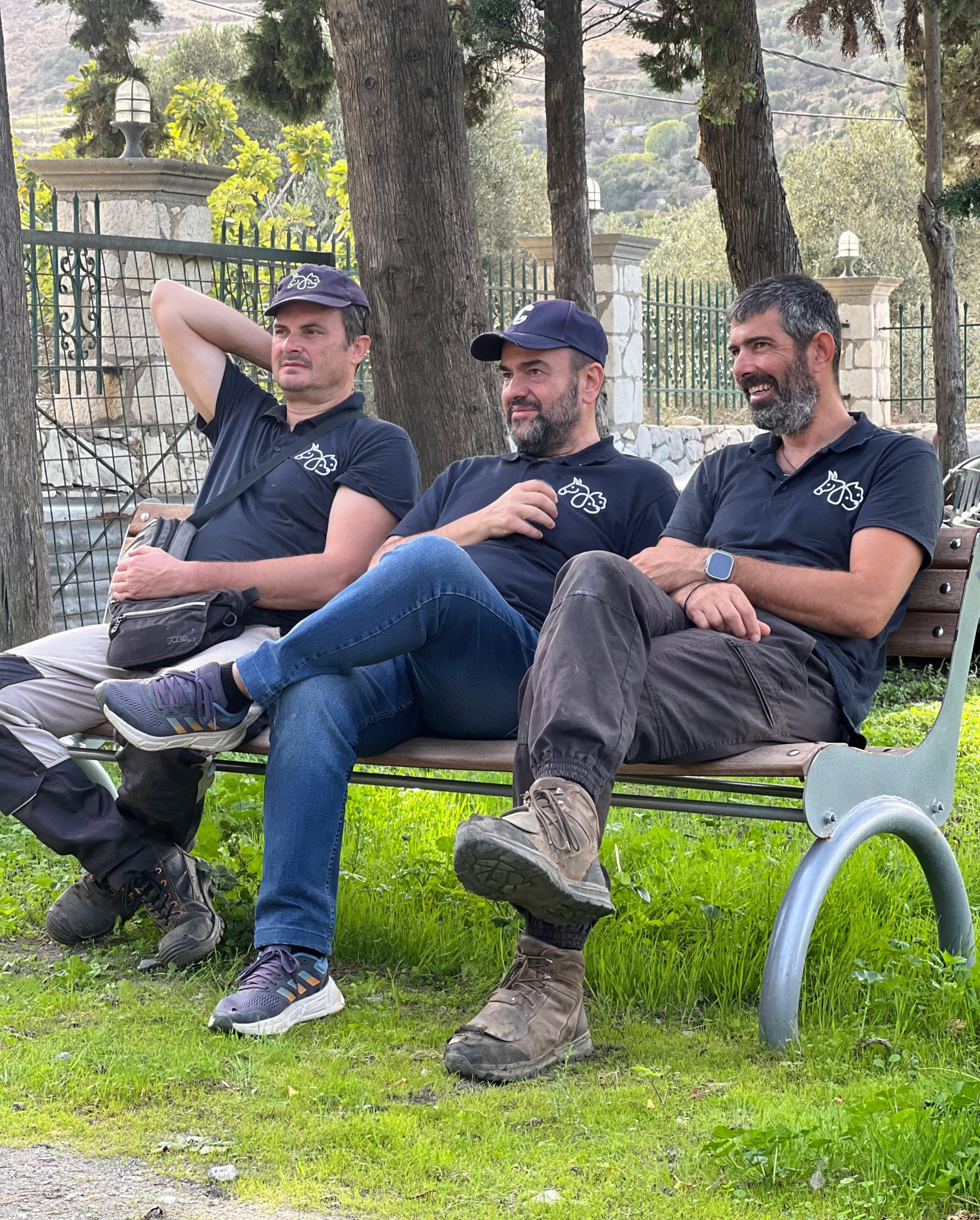
From October 25-28, the Animal Action Greece Equine Care team – comprising veterinarian Kostas Okkas, equine dental technician Alkis Gkeskos and farrier Tasos Skyllas – conducted a four-day outreach visit to the island of Skyros to provide care to the island’s equines. The team travelled across 13 villages and delivered services to a total of 85 equines (83 horses, 1 donkey and 1 mule).
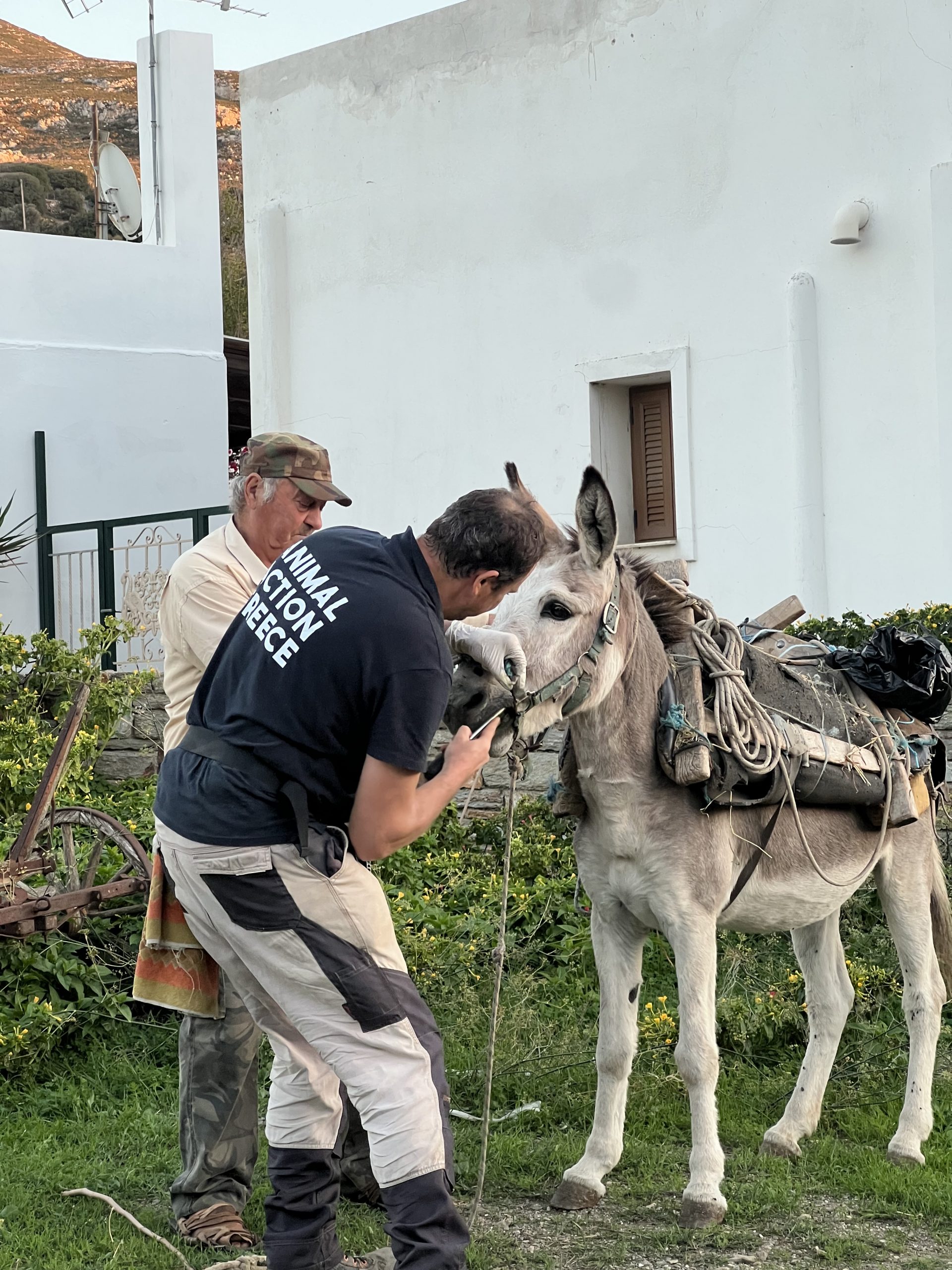
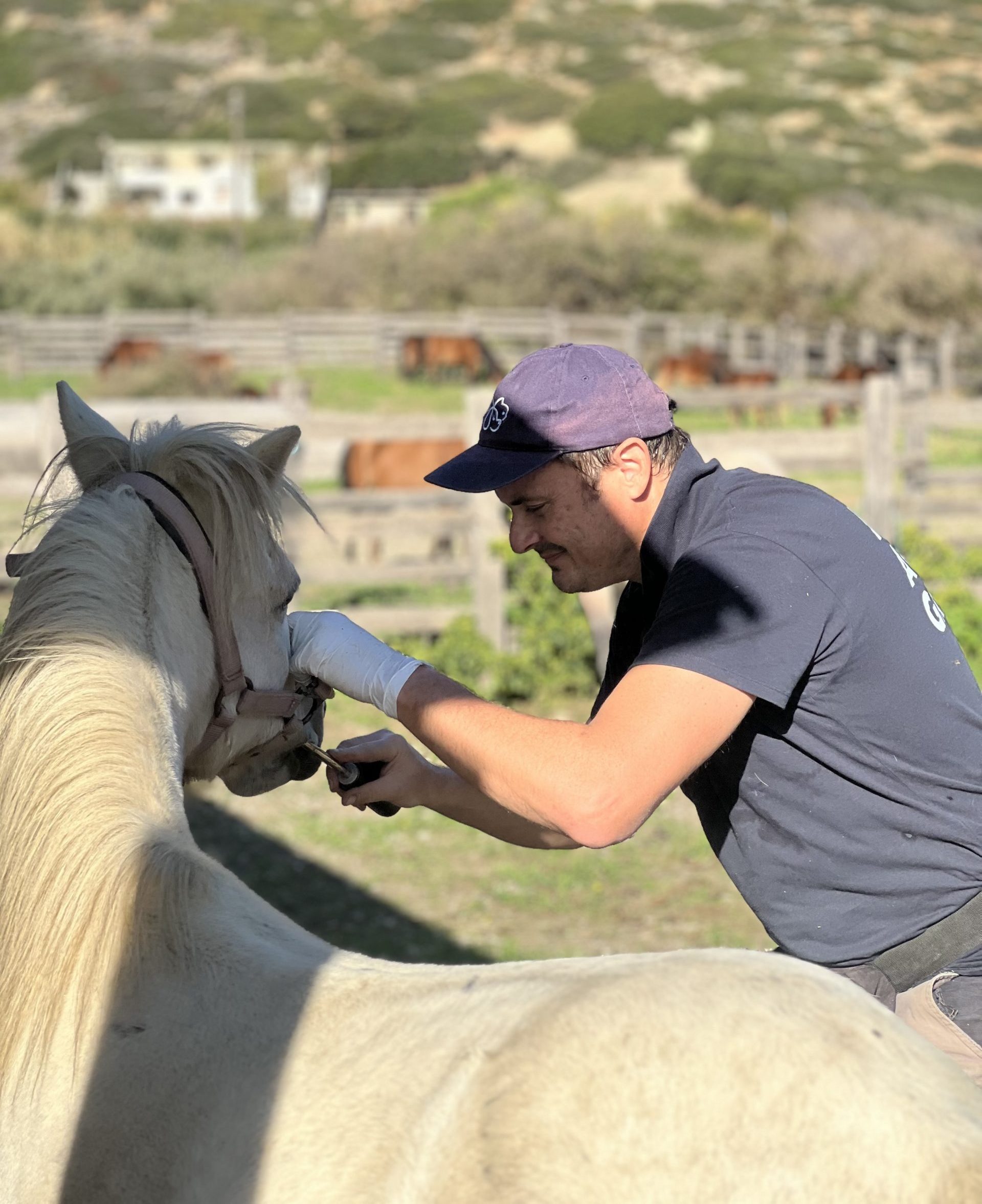
Alkis rasping a donkey’s teeth – credit photo Francesca Norrington.
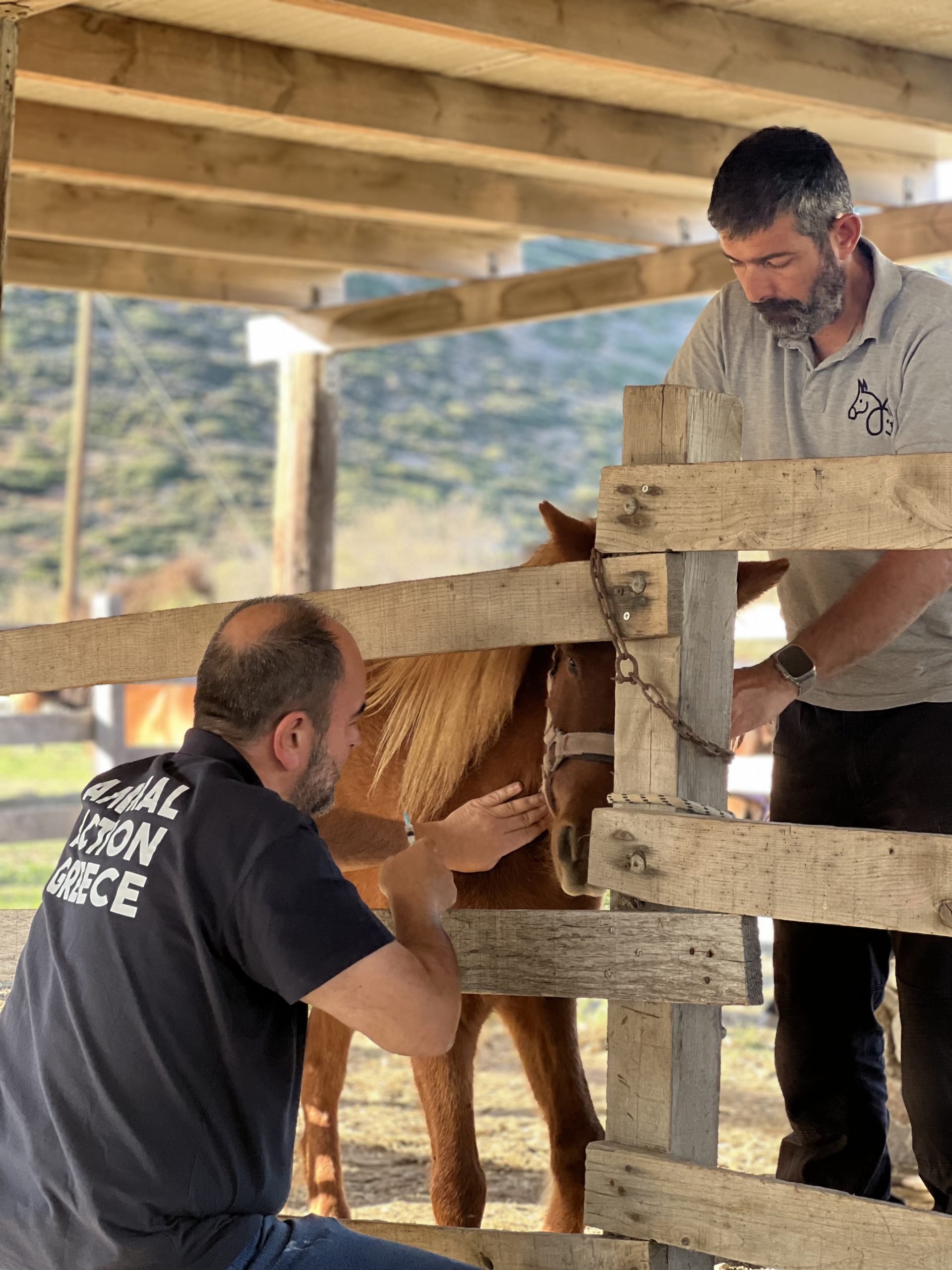
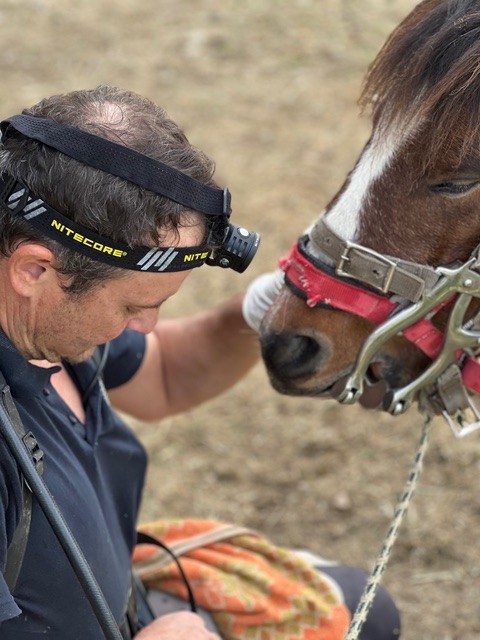
Kostas sedating a Skyrian horse – credit photo Francesca Norrington.
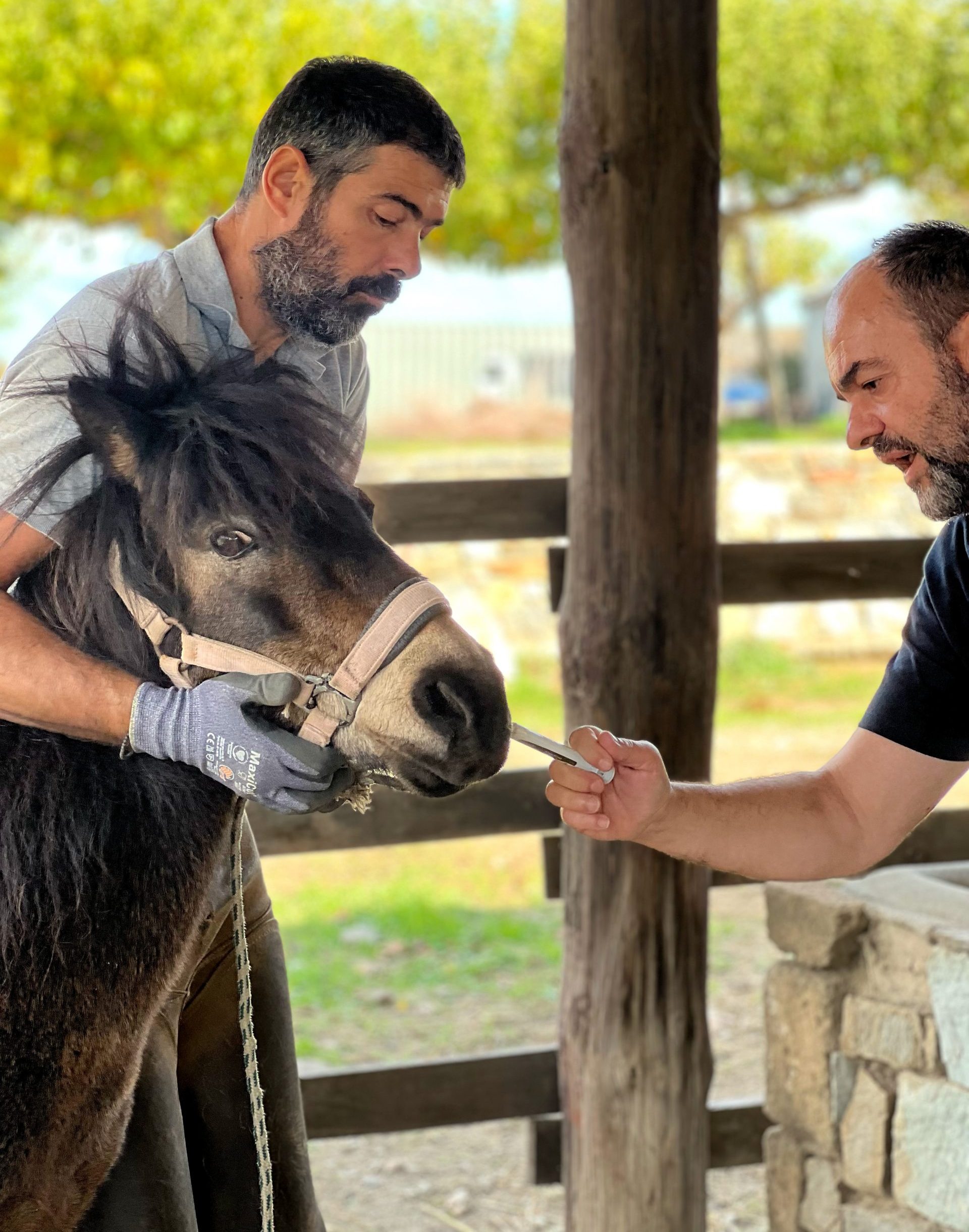
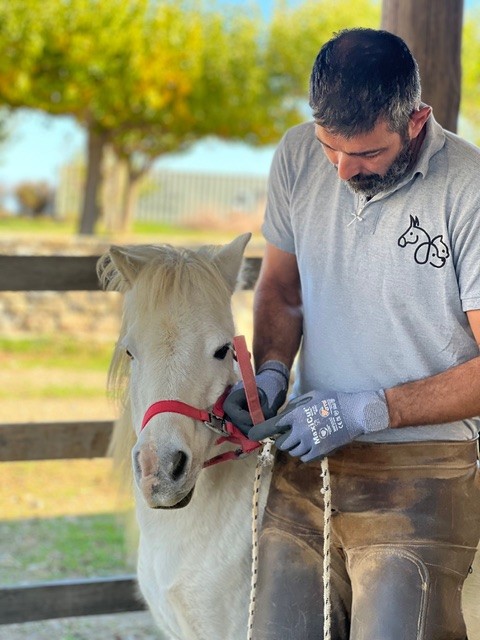
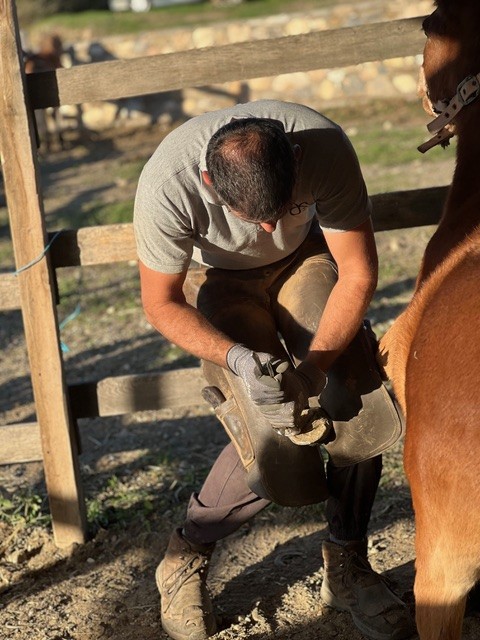
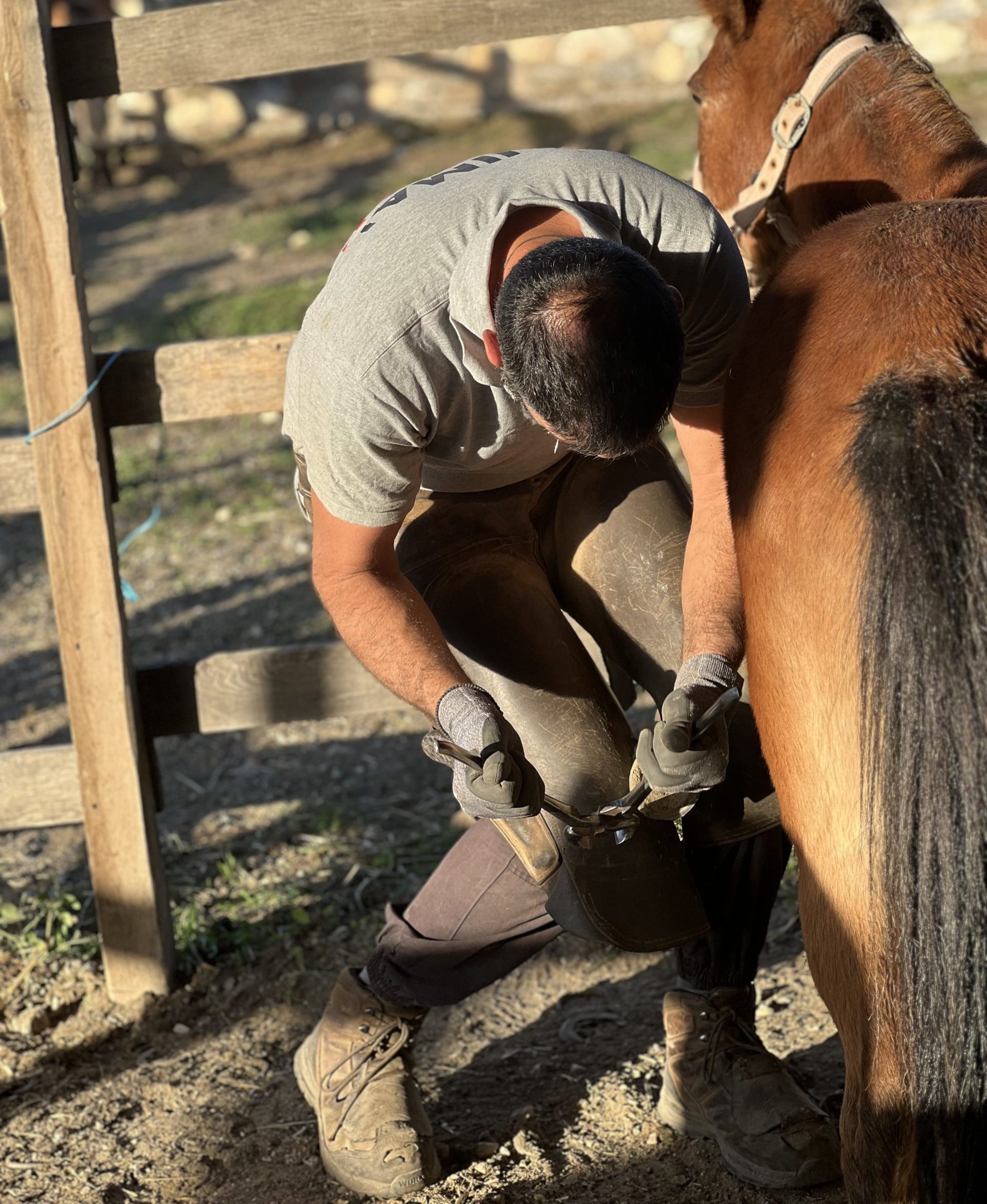
Tasos and Skyrian horse – image credit Francesca Norrington.
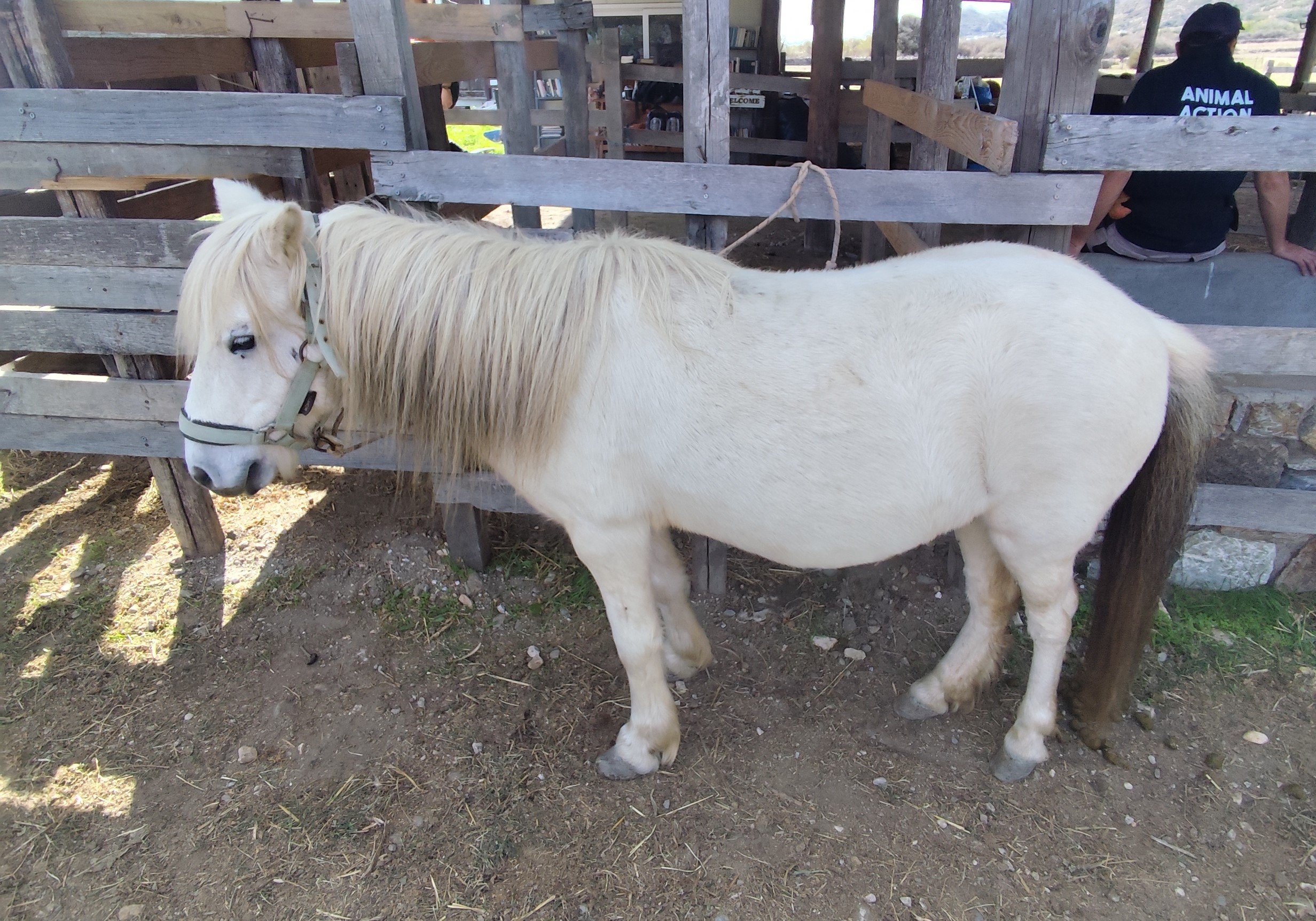
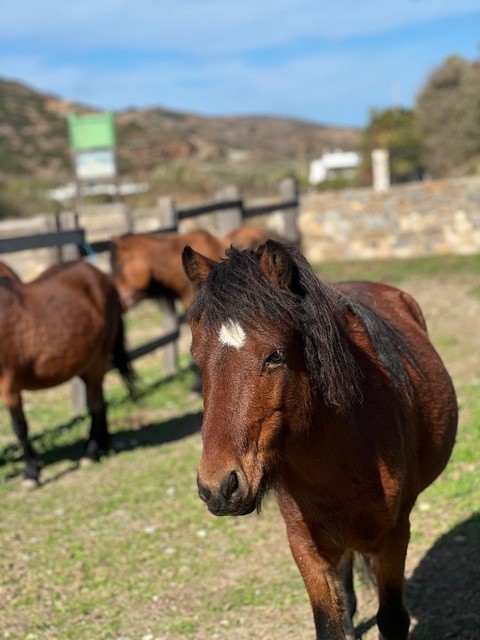
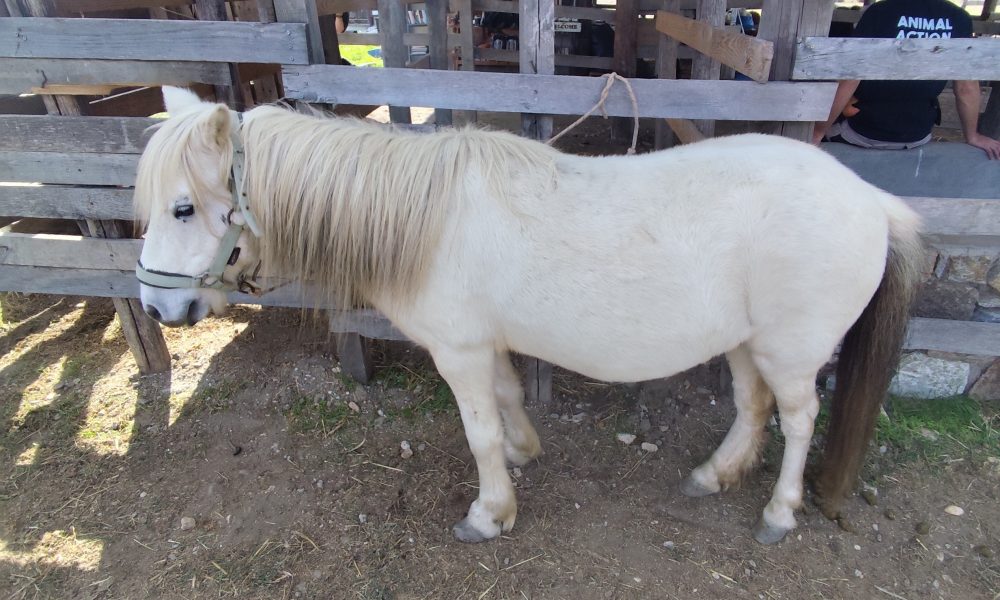
Skyros is home to the Skyrian horse, an extremely rare and ancient breed that still survives on the island in the Southern Sporades archipelago. These small-sized horses are hardy, agile and capable of rearing quickly and repeatedly. They may also react unpredictably when feeling threatened by humans. While temperament plays a role in this behaviour, inadequate handling is likely a more significant factor. Many Skyrian horses spend the winter free-ranging, which contributes to their limited handling. However, even horses kept close to homes are often far from tame.
Historically, Skyrian horses played a vital role in the island’s social and economic life. As living conditions changed, their numbers declined dramatically, and the breed became threatened with extinction. In recent decades, private conservation efforts have been undertaken to preserve the breed, both through non-profit conservation centres and individual initiatives.
Once again this year, Animal Action Greece provided its specialized services to a significant portion of this isolated equine population. Approximately half of the island’s Skyrian horses—those under the care of the two conservation centres as well as privately owned animals—received veterinary, dental, and farriery treatment. Through the Equine Care Programme, Animal Action Greece actively supports the welfare and conservation of this endangered breed. It is both an honour and a privilege to contribute to the wellbeing and preservation of these remarkable animals.
The majority of the equines examined were found to be in good body condition and general health, with no serious underlying medical issues.
During last year’s visit, the team encountered a young Skyrian mare suffering from chronic laminitis. Nutritional advice had been provided to her owner, but it was not fully implemented. As a result, discussions began regarding rehoming the mare with a more suitable caregiver. After considerable effort, the mare was successfully rehomed. Her new owner has committed to appropriate feeding management, and the team is hopeful that significant improvement in her hoof condition and overall health will be evident at the next visit.
Another critical case involved a non-Skyrian gelding that presented with severe lameness and complete reluctance to move on the day of the team’s arrival. Clinical examination led to a diagnosis of acute laminitis. Anti-inflammatory medication and appropriate treatment were administered throughout the team’s four-day stay, resulting in gradual improvement. The owner received detailed instructions for continuing care, including strict dietary changes with complete removal of carbohydrates. This horse was extremely fortunate to develop laminitis during the team’s presence on the island, as survival from such a severe episode would have been highly unlikely without immediate professional intervention.
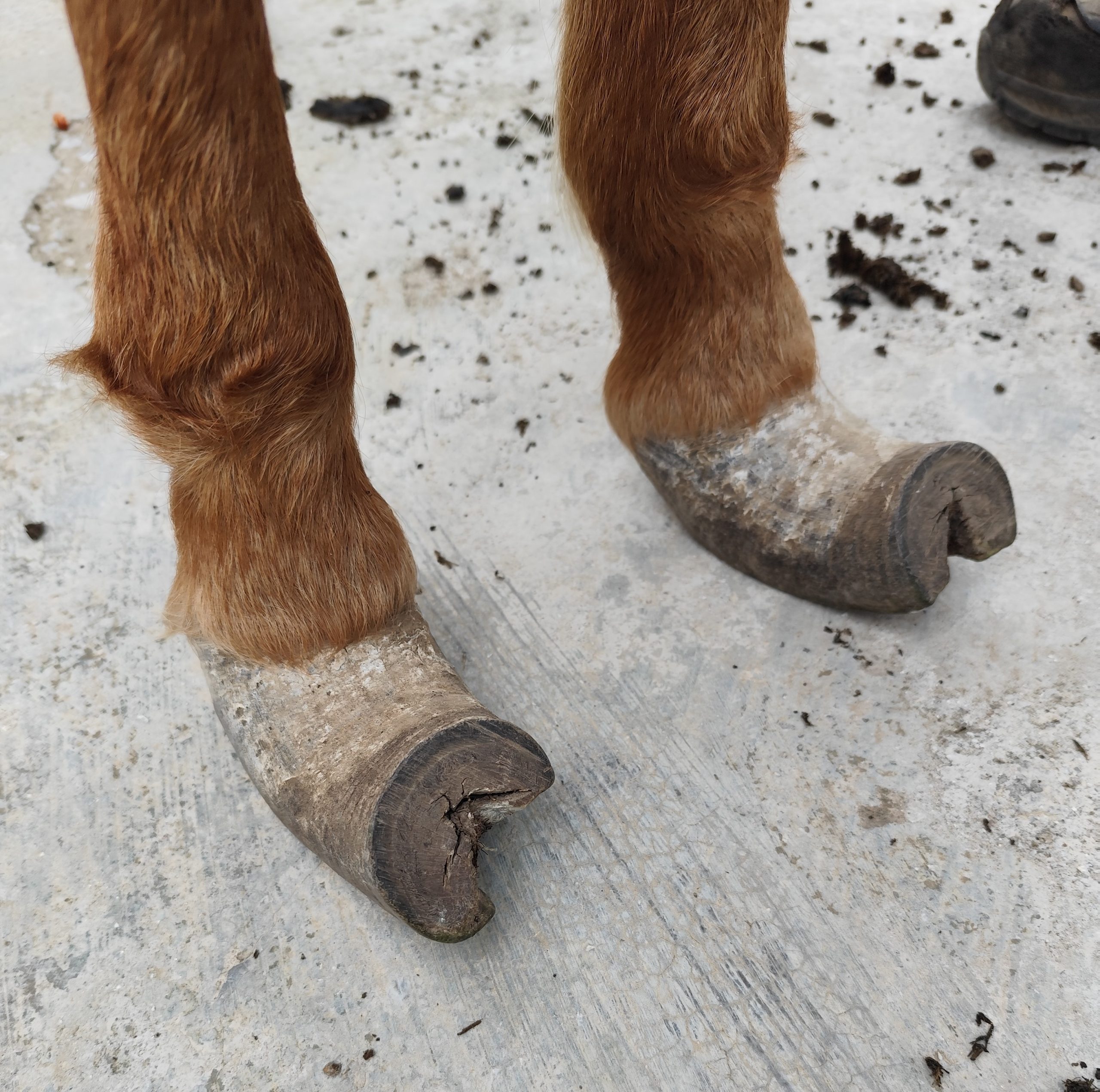
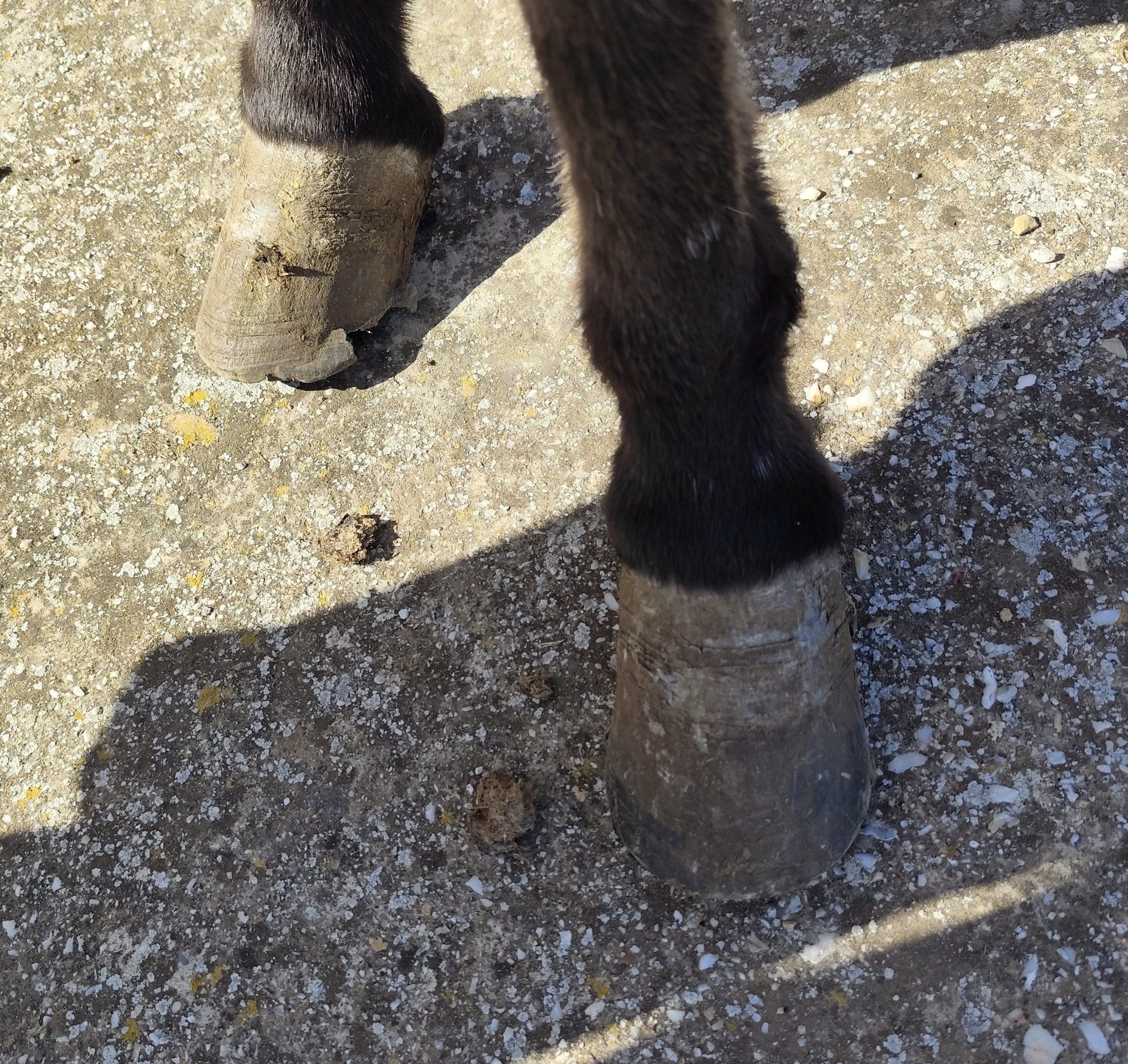
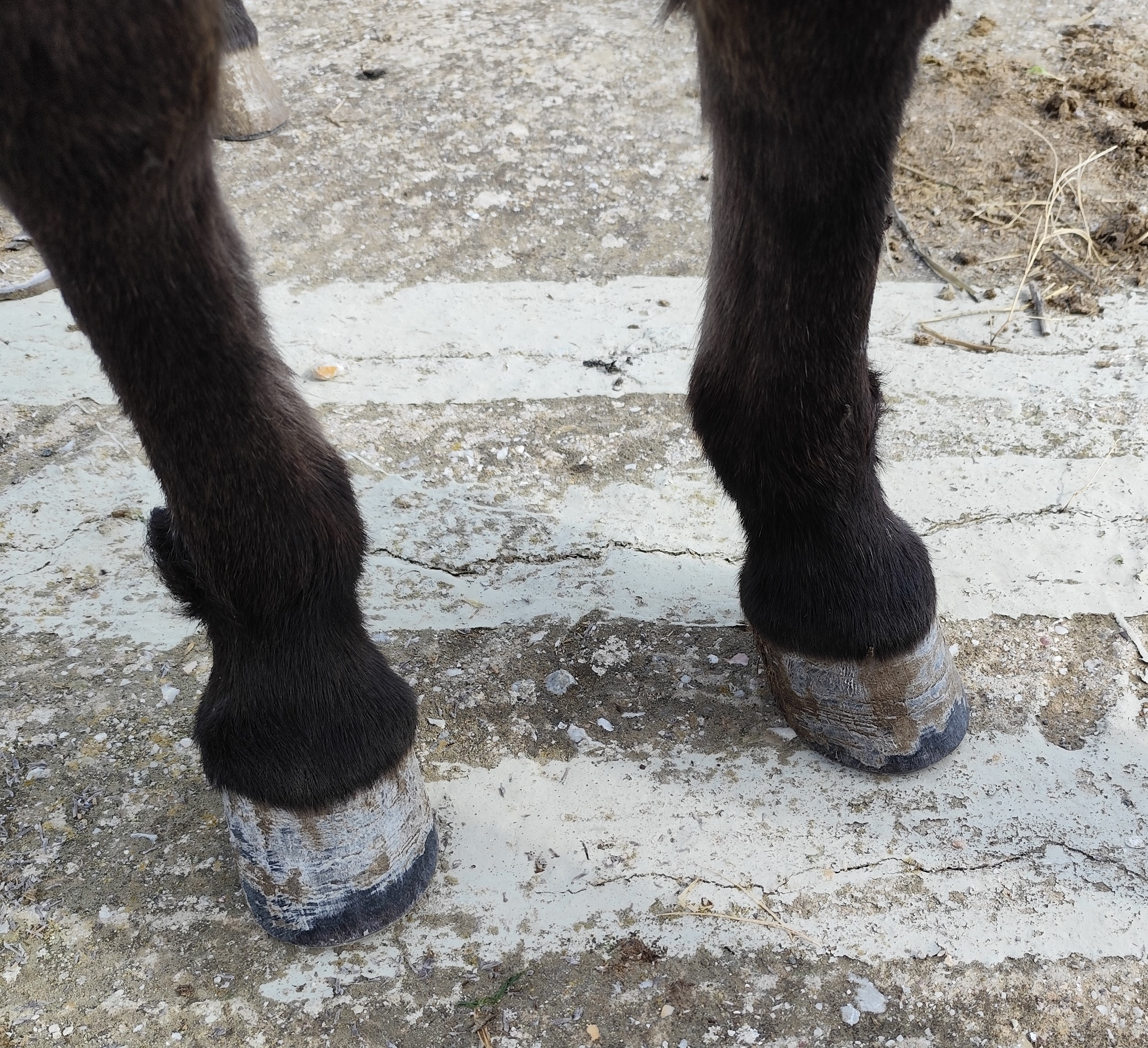
Nearly all animals required routine hoof trimming, while several Skyrian horses presented with excessively long hooves combined with chronic laminitis, primarily due to restricted movement. These animals showed immediate relief once their hooves were restored to proper shape and balance.
Overlong hooves previously cut by non professional.
Same hooves after being trimmed.
Long and broken hooves BEFORE trimming.
Same hooves AFTER trimming.
Image credit Francesca Norrington.
Image credit Francesca Norrington.
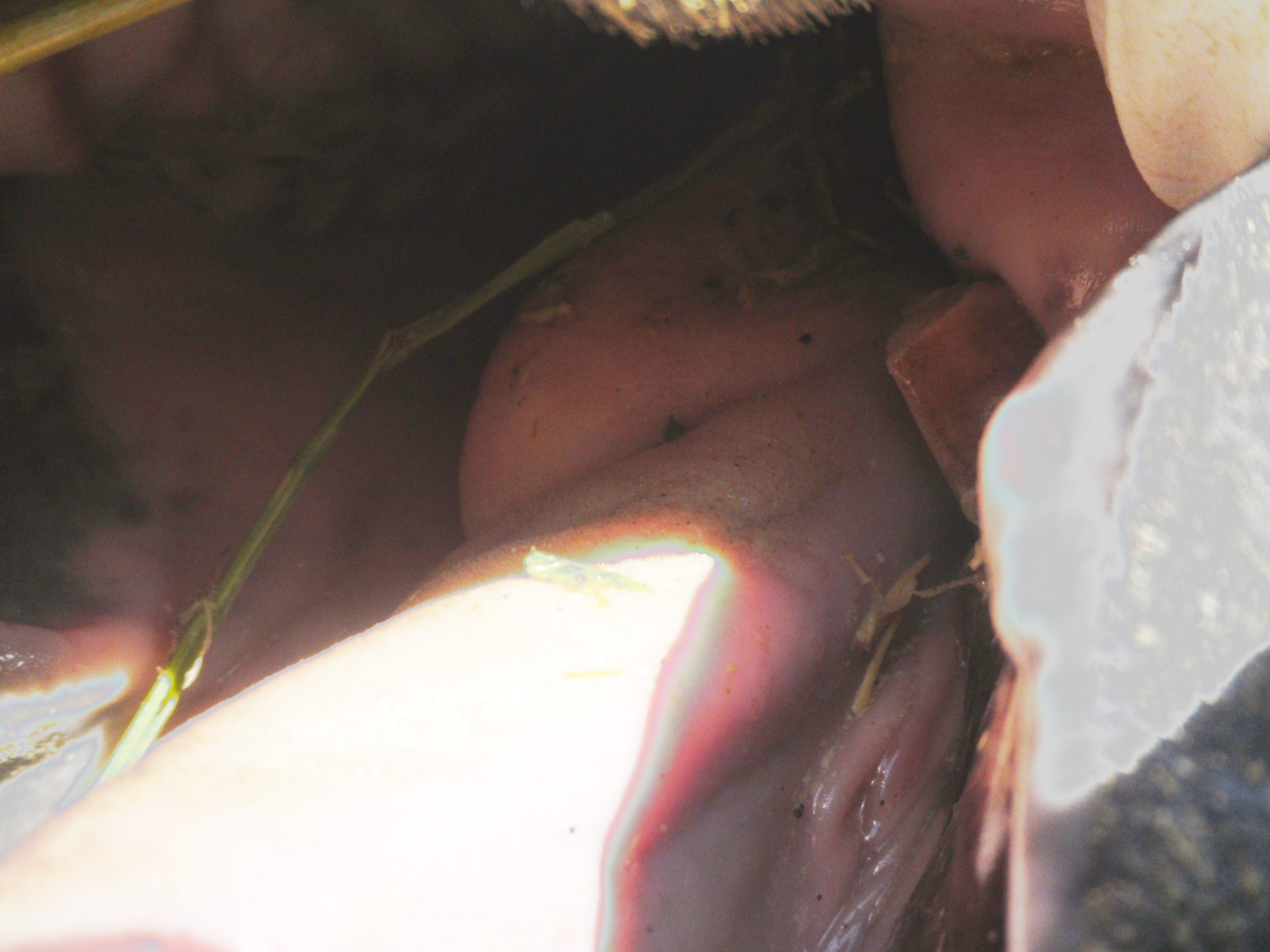
In terms of dental care, Skyrian horses appear particularly prone to developing large hooks and ramps, likely related to the shape and size of their heads and jaws. Alkis, the EDT, encountered the same dental issues seen in previous years, including sharp enamel points, hooks and ramps. Horses that had received regular dental care in prior years were in noticeably better condition, requiring only routine floating. Those examined for the first time, however, required more advanced dental treatment, with motorized equipment necessary in several cases.
Image credit Francesca Norrington.
Image credit Francesca Norrington.
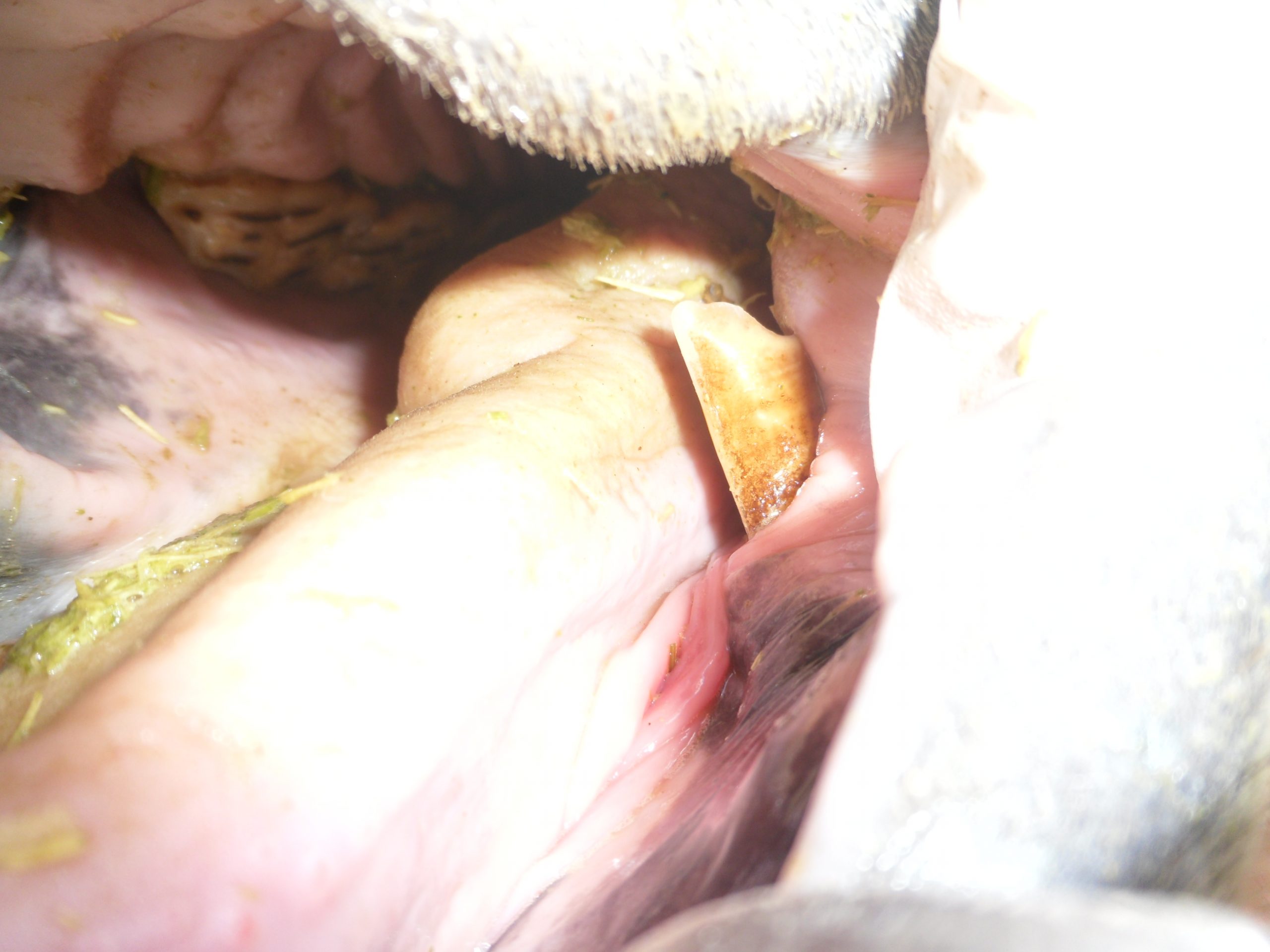
Marion, an elderly mare resistant to oral handling, was found to have a massive hook on a first upper cheek tooth. Following sedation administered by Kostas, Alkis was able to reduce the hook using motorized equipment, providing the mare with clear relief. Another elderly horse was discovered to have two step teeth, which were successfully treated, restoring normal chewing. Aphrodite, a middle-aged mare treated by the team for the first time, was found to have severely elongated rostral ramps. This condition was historically one of the main causes of death in Skyrian horses before routine dental care was introduced, as documented by Garry Draper, the UK-based equine dental technician and instructor, during the Programme’s first outreach to Skyros in the early 2000s.
Big dental ramp
Same tooth after rasping down the ramp
In contrast, both the team and volunteers were delighted by Beyonce, a beautiful mare with blonde mane and a notably spirited temperament. After experiencing relief during last year’s dental treatment—when a painful aberrant hook was corrected—Beyonce surprised everyone by calmly approaching and patiently waiting for her check-up this year!
A volunteer journalist, Francesca, joined the team during this outreach to document their work. She was deeply impressed by the team’s dedication and professionalism and plans to write an article based on her experience. We extend our sincere thanks to her for the beautiful photographs she provided.
Finally, heartfelt thanks go to Manolis Trahanas from Mouries Farm for his outstanding hospitality once again, including organizing the four-day programme on the island and providing all meals for the team at the Mouries restaurant. Volunteer Danae also offered invaluable assistance during the work at the farm. We are equally grateful to Ioannis Evgenikos for providing accommodation at Hotel Nefeli, to Antonis Paraskevas for accommodation at Hotel Perigiali and to the Skyros Shipping Company for generously offering free ferry tickets. These local sponsorships are vital to our mission, enabling us to allocate more resources toward treating a greater number of animals in more locations.