At Animal Action Greece, progress is rarely about quick wins. It is about showing up consistently, working alongside others, and building solutions that last.
Throughout 2025, our focus has remained the same: improving animal welfare across Greece through practical care, collaboration, and long-term planning. While the challenges facing animals remain significant, this year has seen meaningful progress across our core programmes for cats, dogs, equines, and wildlife, made possible by our partners, supporters, and communities on the ground.
Supporting cats and dogs through sustainable population management
A central part of our work in 2025 has been supporting communities to manage stray cat and dog populations in a responsible, humane, and sustainable way.
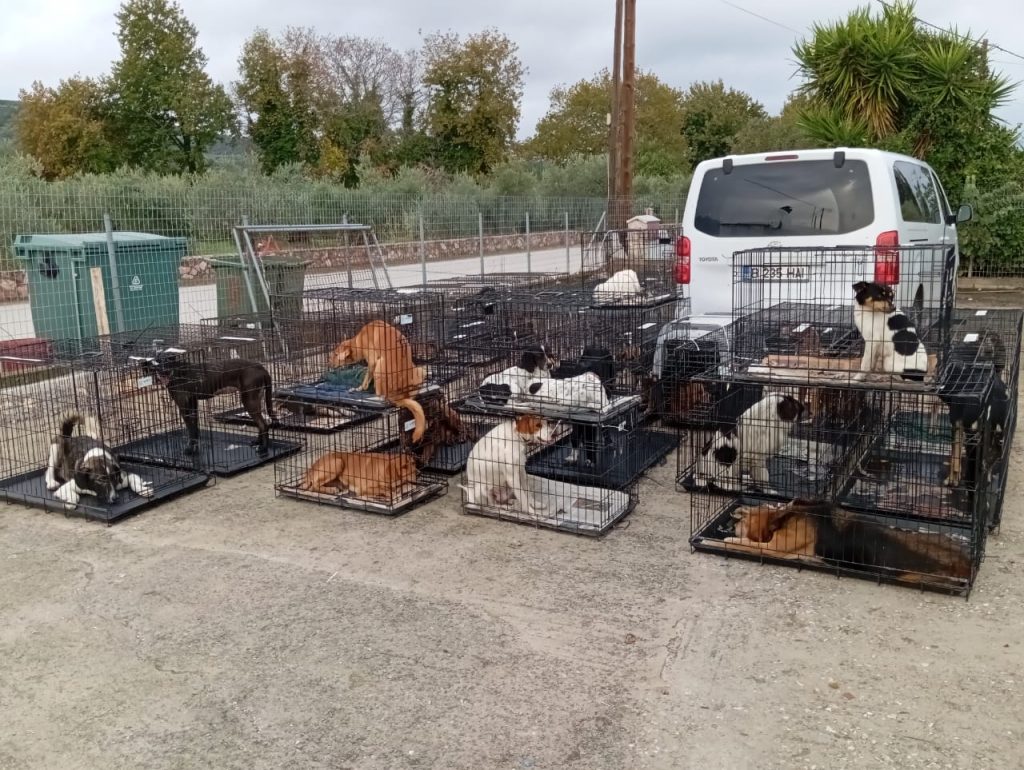
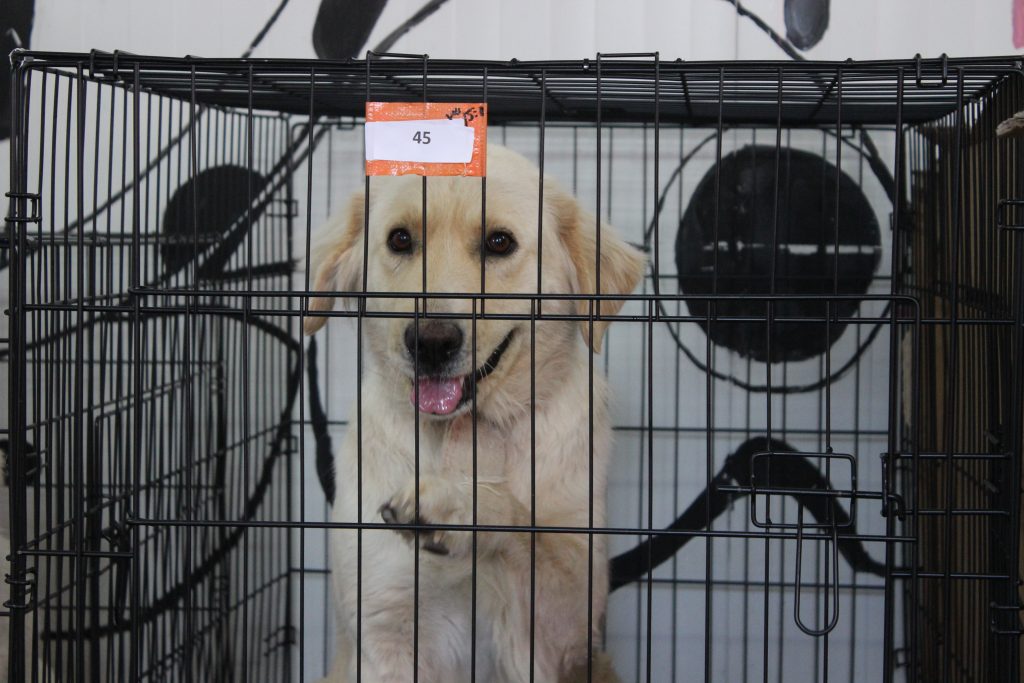
Across our Dogs and Cats Programme, we supported the treatment of approximately 1,770 animals through sterilisation, vaccination, microchipping, and parasite control. This included around 590 dogs and 1,180 cats, excluding the Paros and Antiparos Community Cat Care Project. While these figures are estimates, they closely reflect the scale of work delivered across multiple regions.
One of the most significant moments of the year was a large-scale outreach in Taxiarchis, North Evia, where 578 cats and dogs received comprehensive veterinary care through a unique collaboration between local authorities, vets, and welfare organisations. Programmes of this scale show what is possible when cooperation, trust, and planning come together.
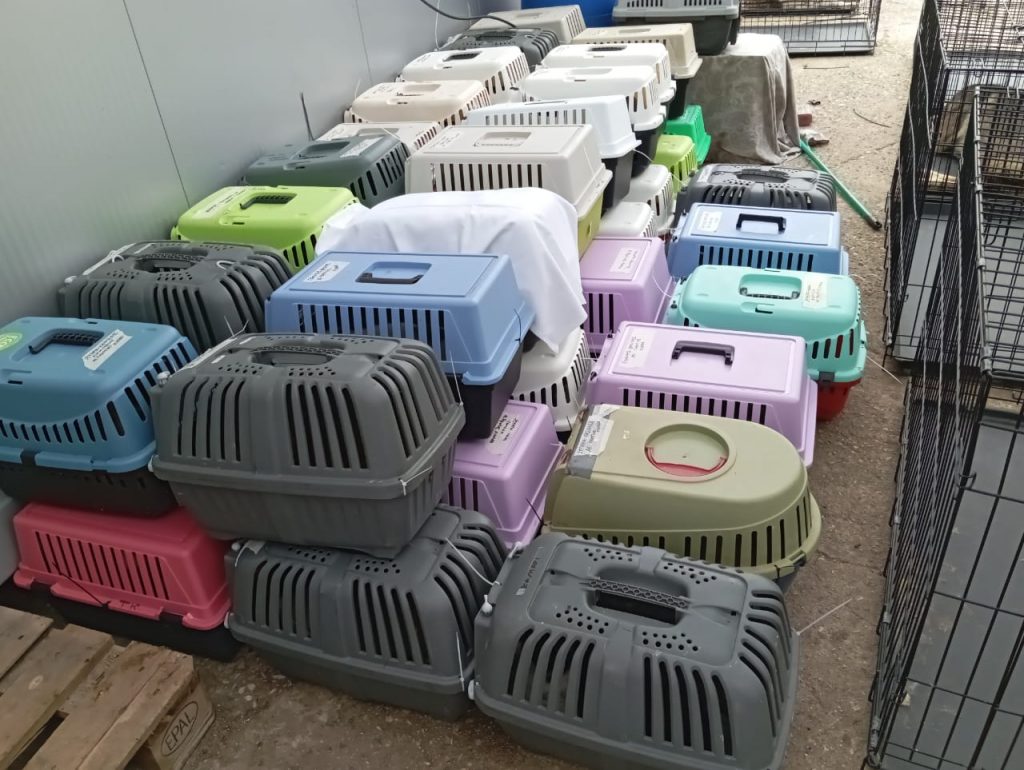
Alongside this, we continued to support long-term community cat programmes, including the Paros and Antiparos Community Cat Care Project. Now in its third year, this project combines population management with mapping, monitoring, feeding stations, and local engagement. It demonstrates how sustained investment, rather than one-off interventions, leads to healthier and more stable cat populations and stronger local responsibility. Since the project began in 2023, a total of 5,990 cats have now been sterilised across the two islands, bringing us closer to the critical threshold needed to end the cycle of overpopulation.
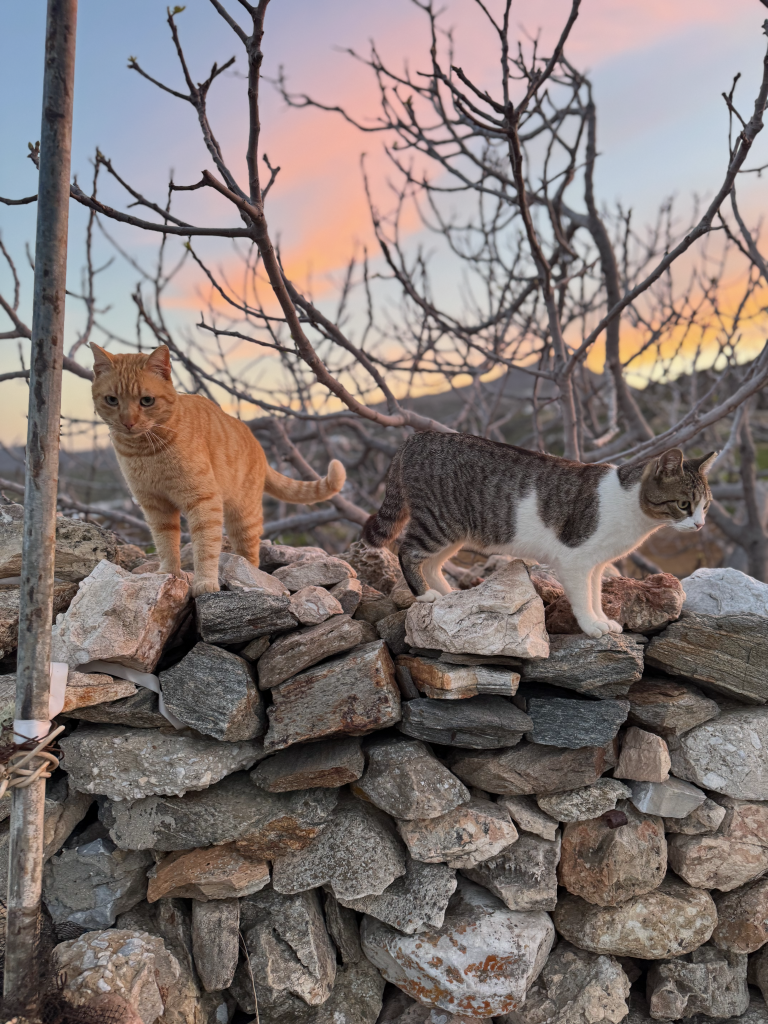
In other settings, targeted interventions also delivered measurable results. In refugee camps including Schisto, Ritsona, and Thermopylae, over 90 percent of cats and dogs have now been neutered following structured population management programmes, significantly improving welfare and reducing future suffering.
In new areas such as Tinos, Nafplion, and Argos, we supported pilot projects designed to test approaches that can be scaled up over time. These pilots emphasised collaboration with municipalities and local vets, ensuring that responsibility for animal welfare sits within the community and continues beyond our direct involvement.
Improving welfare for Greece’s equines
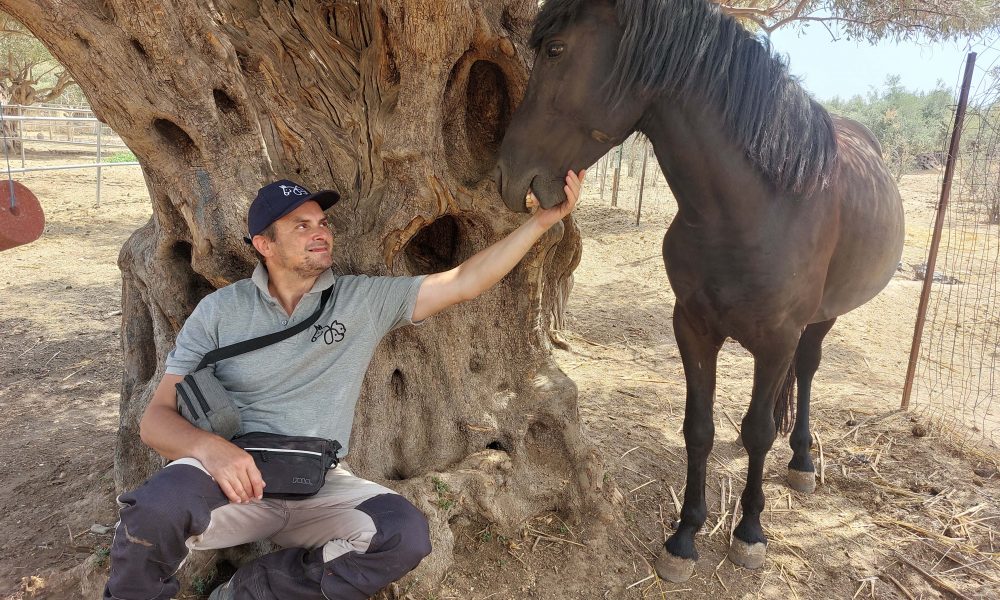
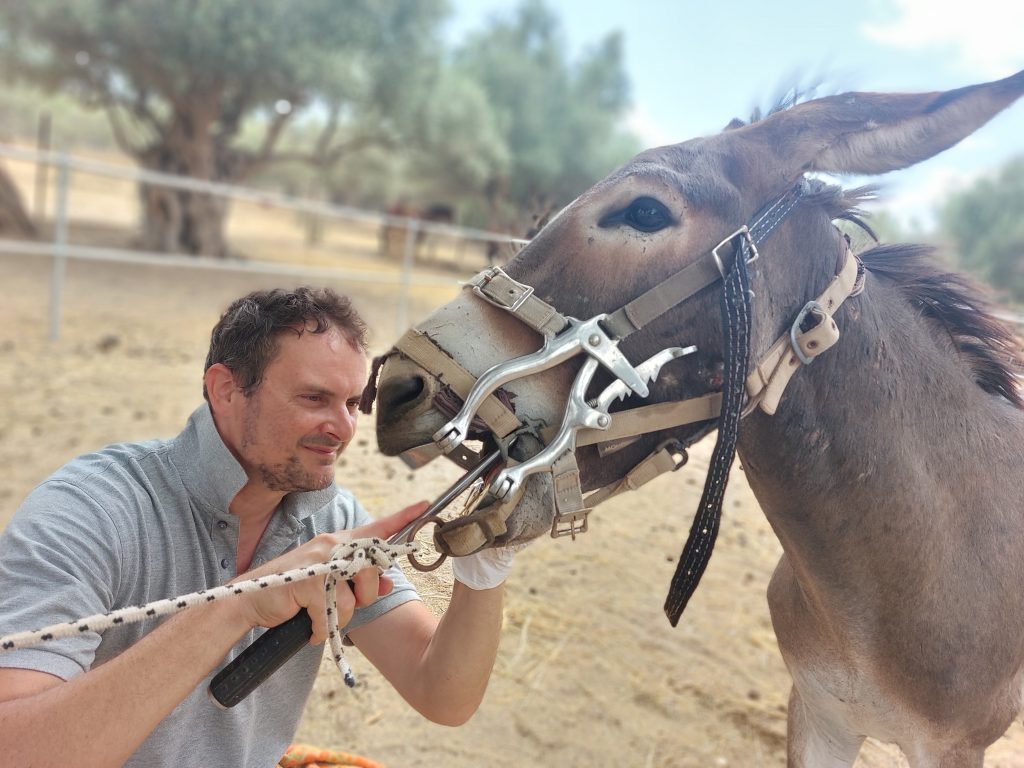
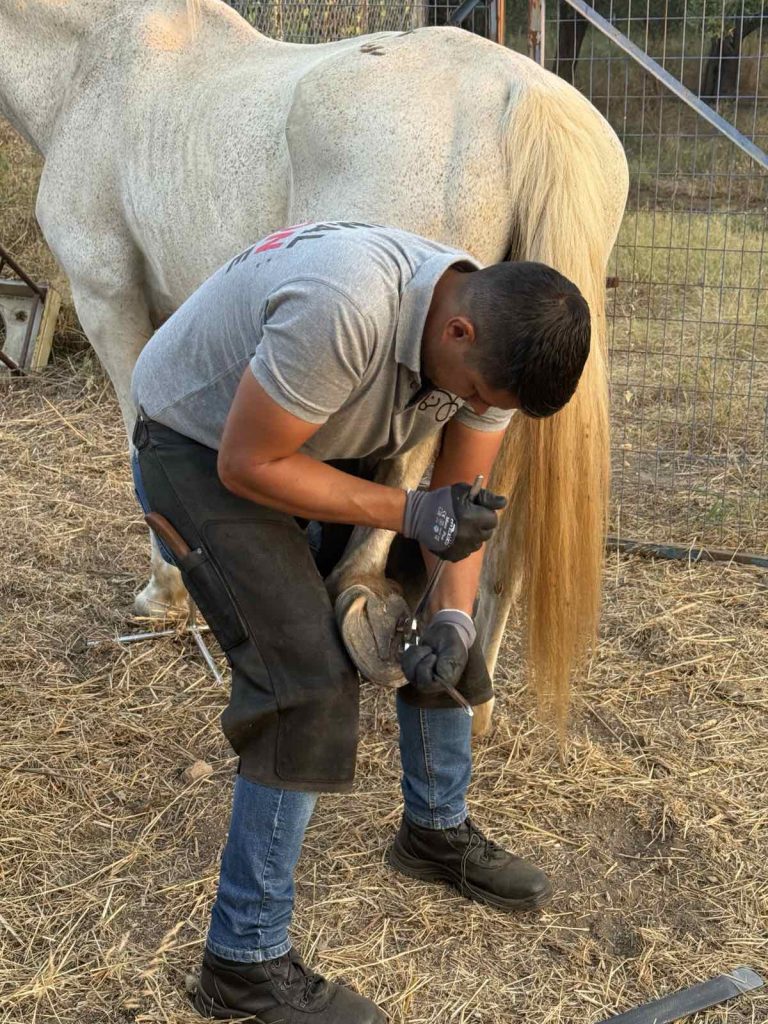
Our Equine Care Programme continued to expand in 2025, delivering specialist veterinary, farriery, and dental care to donkeys, mules, and horses across Greece.
Across 16 areas nationwide, our teams treated 552 equines, including 240 donkeys, 244 horses, and 68 mules. This work reached animals living and working in remote rural communities, as well as those based in sanctuaries and conservation settings.
In total, we supported 9 equine shelters and 3 conservation centres, and we also visited 2 schools as part of our education and awareness work around working equine welfare. These visits help ensure that knowledge about good care practices reaches both current owners and the next generation.
In many cases, animals previously treated by our team showed clear improvements in health and condition, a powerful reminder of the value of consistent follow-up and owner education.
Education remains a key part of this work. By supporting owners with practical guidance and training, we help improve welfare not just during our visits, but in the months and years that follow. In addition, remote veterinary support proved lifesaving in several urgent cases, allowing early diagnosis and treatment in areas with limited access to specialist care.
Responding when animals are most at risk
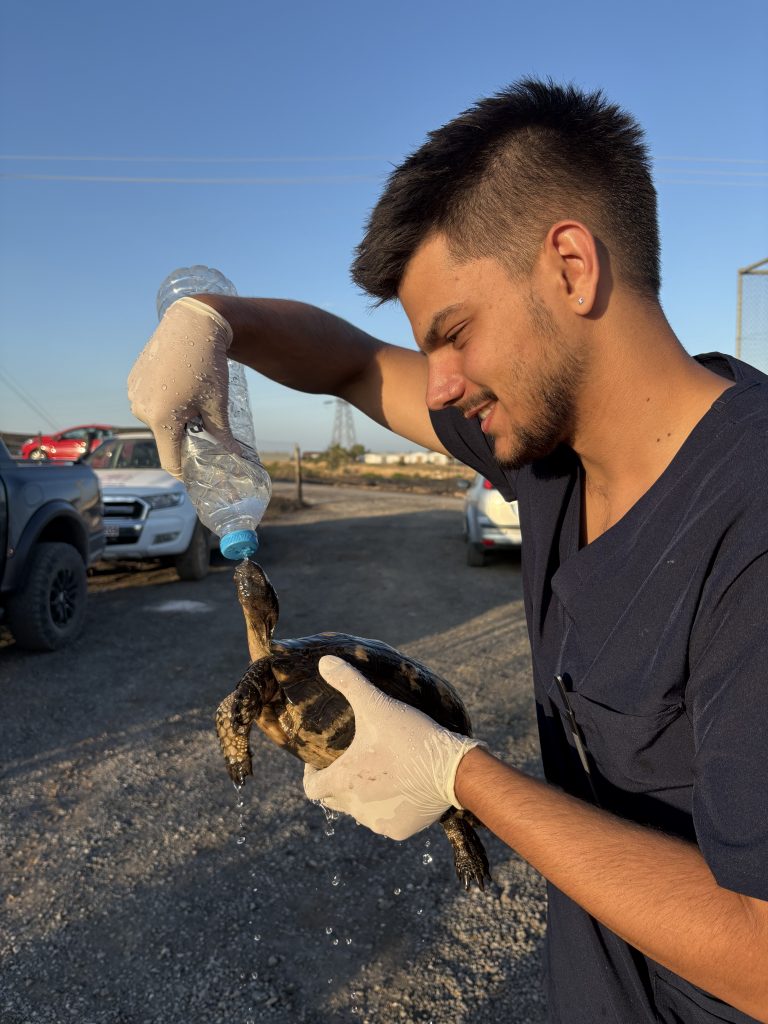
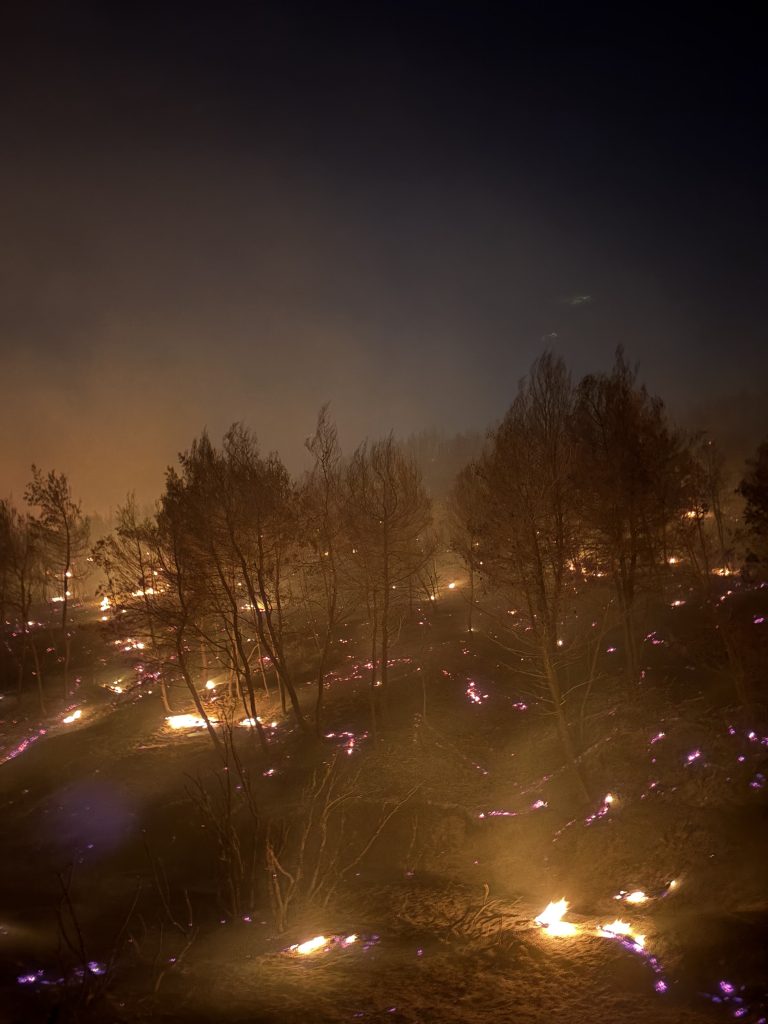
2025 also saw continued emergency response work, particularly during periods of wildfires and extreme heat.
Through coordinated fundraising and close collaboration with trusted partners, we were able to support rescue, treatment, rehabilitation, and emergency preparedness where it was most urgently needed. This included support for domestic animals and wildlife affected by fires and heatwaves.
During the wildfires of May to July 2025, the specialist partners we worked with responded across more than a dozen affected areas in Greece. Their teams located and assessed at least 463 wild animals, of whom 30 were hospitalised for burns or injuries. In addition, 64 companion and farm animals were assisted, with 15 receiving hospital treatment. Many healthy animals were checked, hydrated, and safely left in nearby unburned areas rather than removed unnecessarily, helping to reduce stress and support natural recovery.
Rather than working in isolation, our approach focuses on strengthening collective response, supporting organisations already on the ground and helping ensure resources are used where they can have the greatest impact.
Collaboration at the heart of everything we do
A consistent theme throughout 2025 has been collaboration. From local volunteers and vets to municipalities, schools, and international partners, progress has only been possible by working together.
Formal agreements with local authorities, joint programmes with Greek and international organisations, and long-term partnerships with welfare groups have helped embed animal welfare more deeply and sustainably. Education sessions with children and young people across Greece also played an important role this year, helping to shape attitudes around responsible ownership, sterilisation, and compassion for animals from an early age.
Using funds responsibly and transparently
Behind every programme is careful planning and oversight. In 2025, 82 percent of our expenditure was directed straight into core animal welfare activities in Greece, supporting frontline care, population management, and emergency response.
Alongside this, we strengthened our governance, financial planning, and strategic thinking to ensure Animal Action Greece remains resilient, accountable, and effective for the long term.
Looking ahead
The work does not end here. Animals do not experience progress in milestones or headlines. They experience care, day by day.
As we move forward, we remain committed to building on what works, learning from challenges, and continuing to support animals across Greece through collaboration, evidence-led programmes, and compassion.
Thank you to everyone who has supported Animal Action Greece in 2025. Together, we are creating steady, lasting change for animals who need it most.