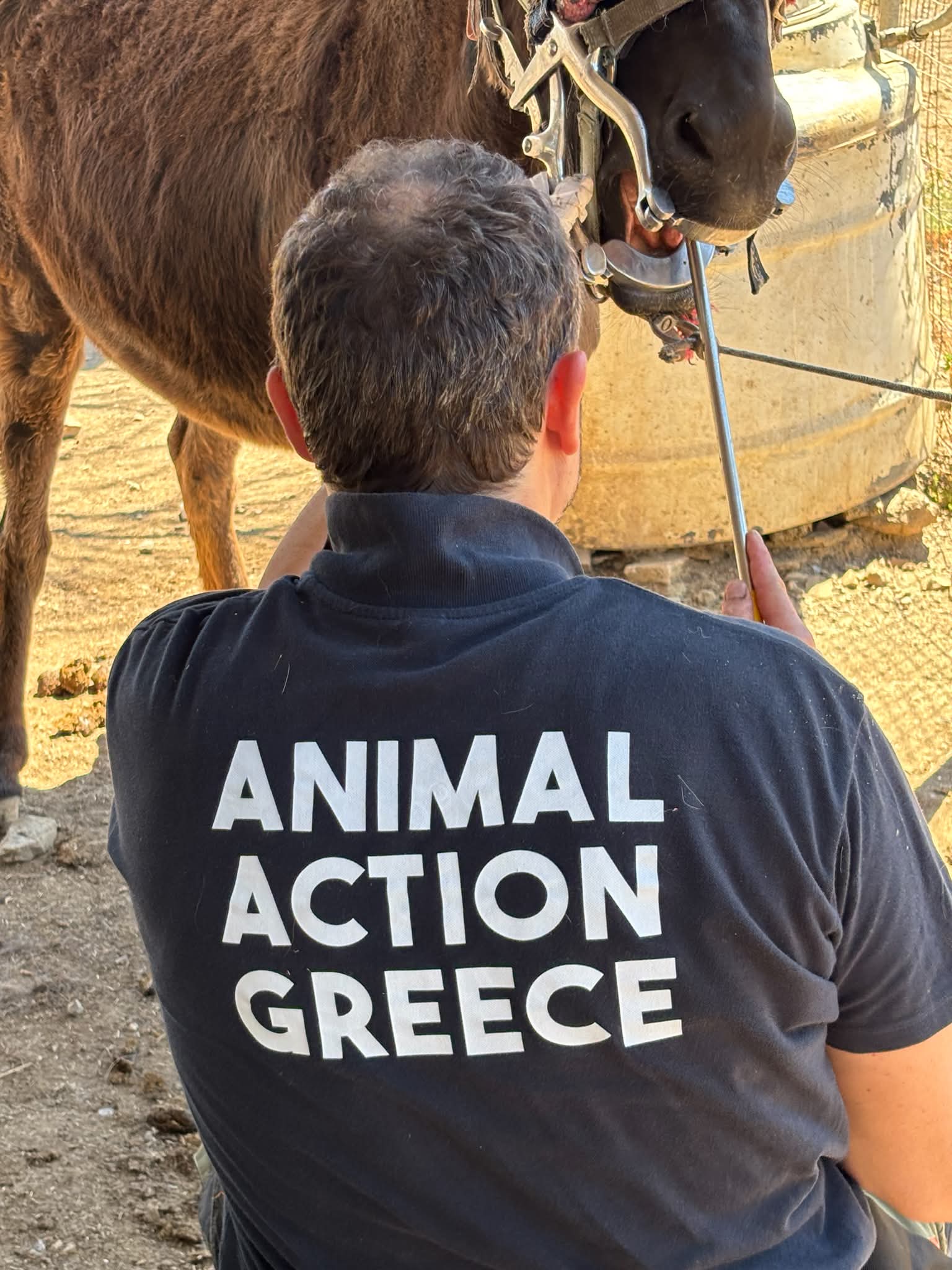
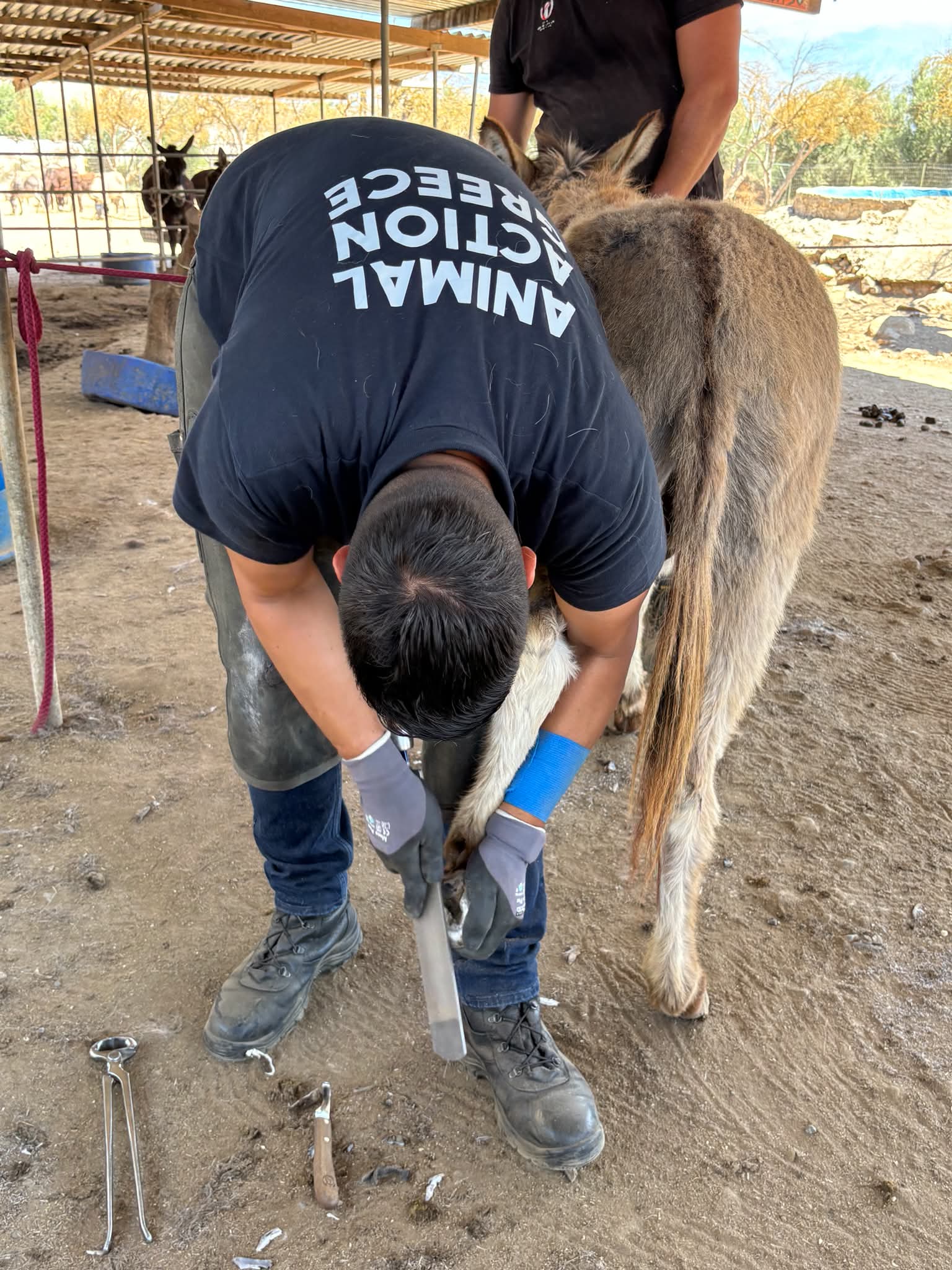
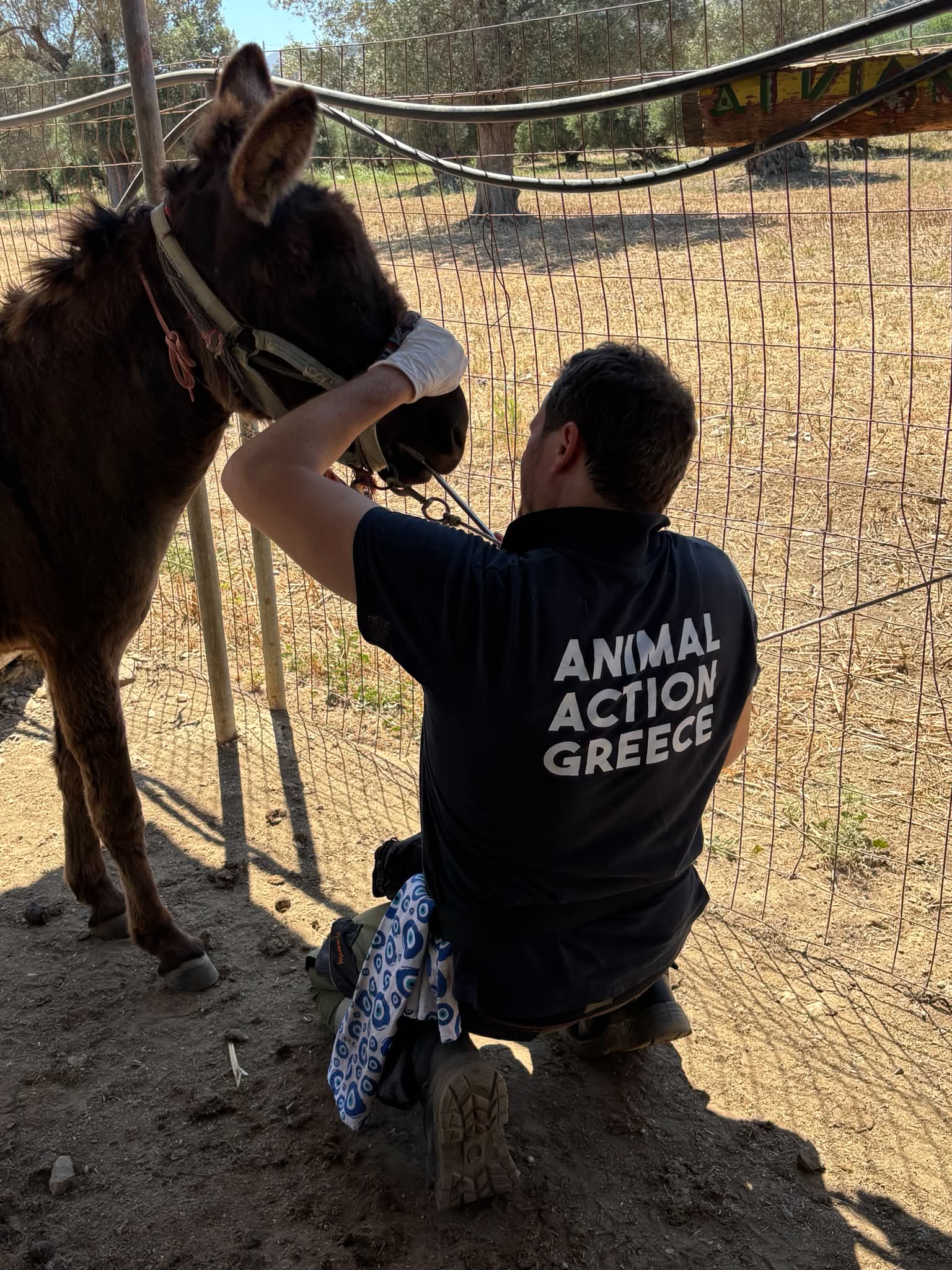
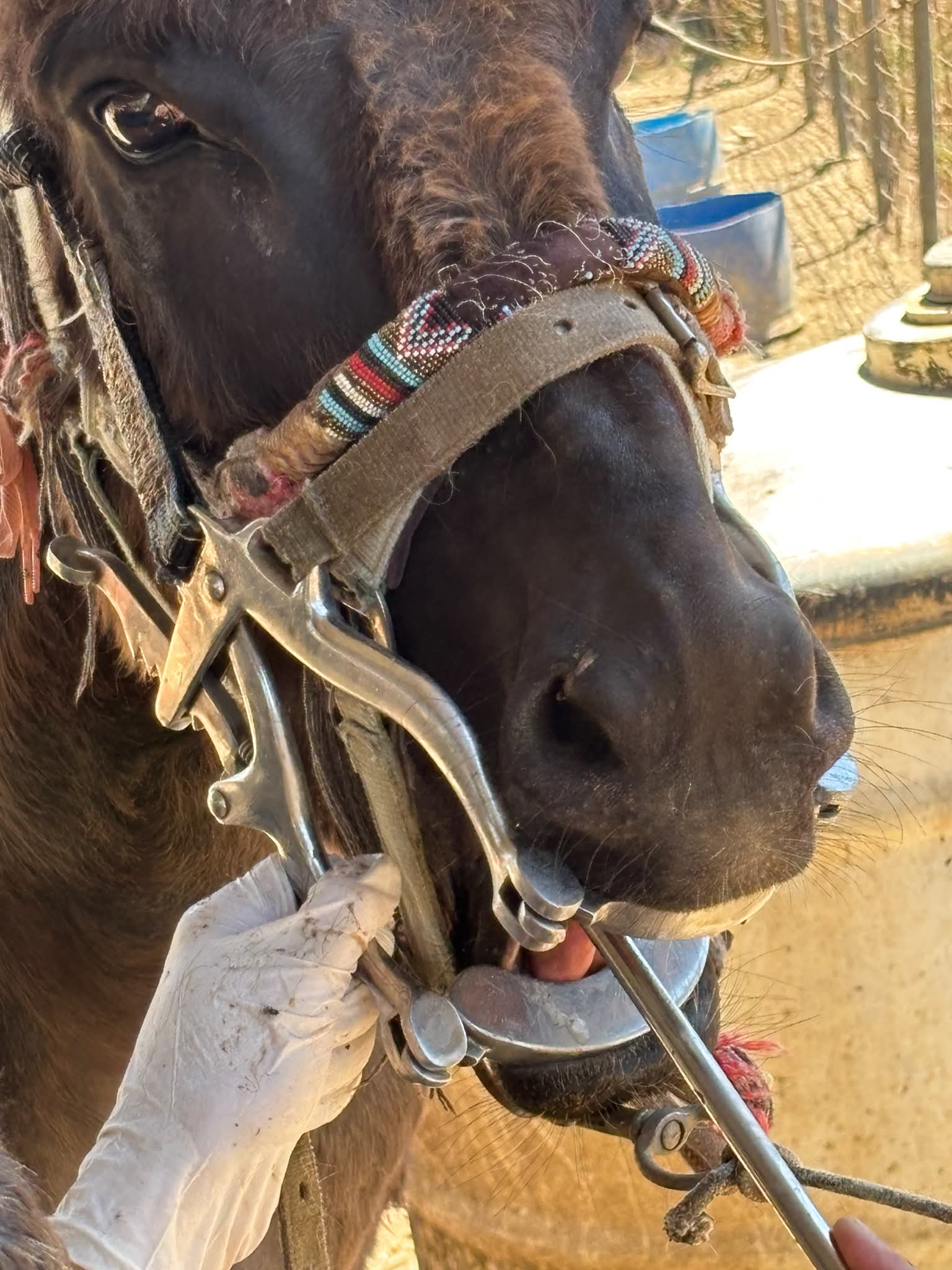
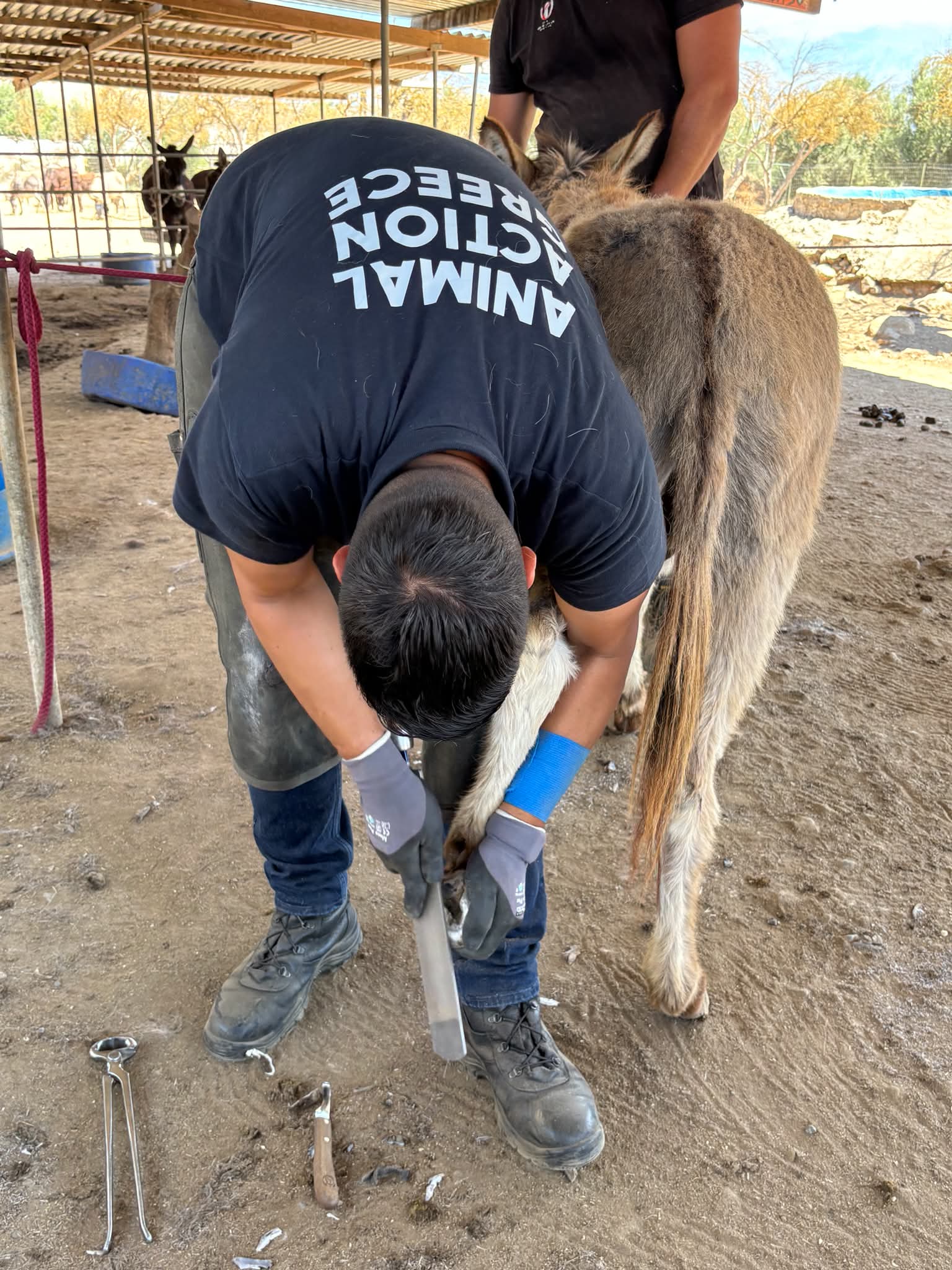
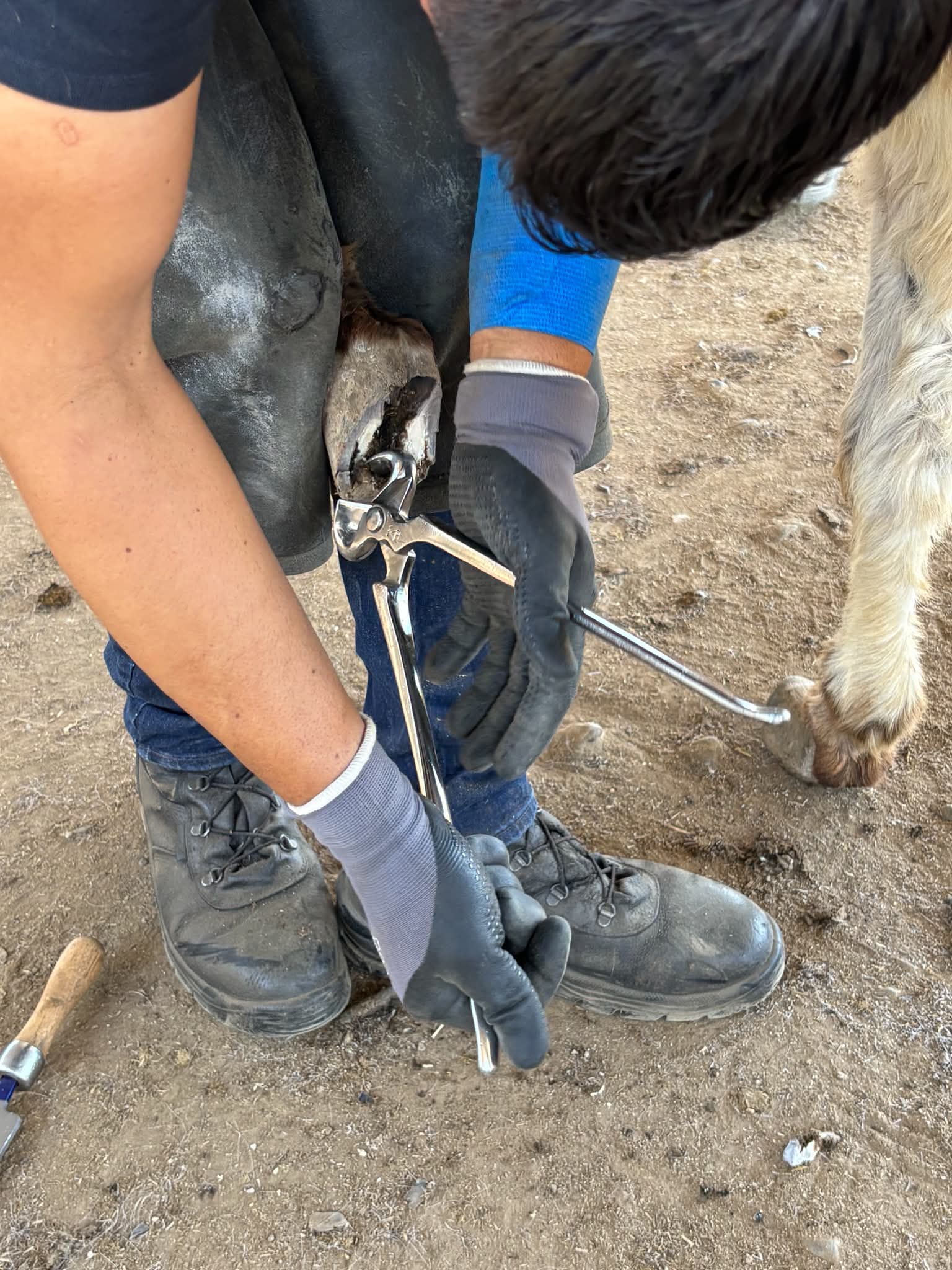
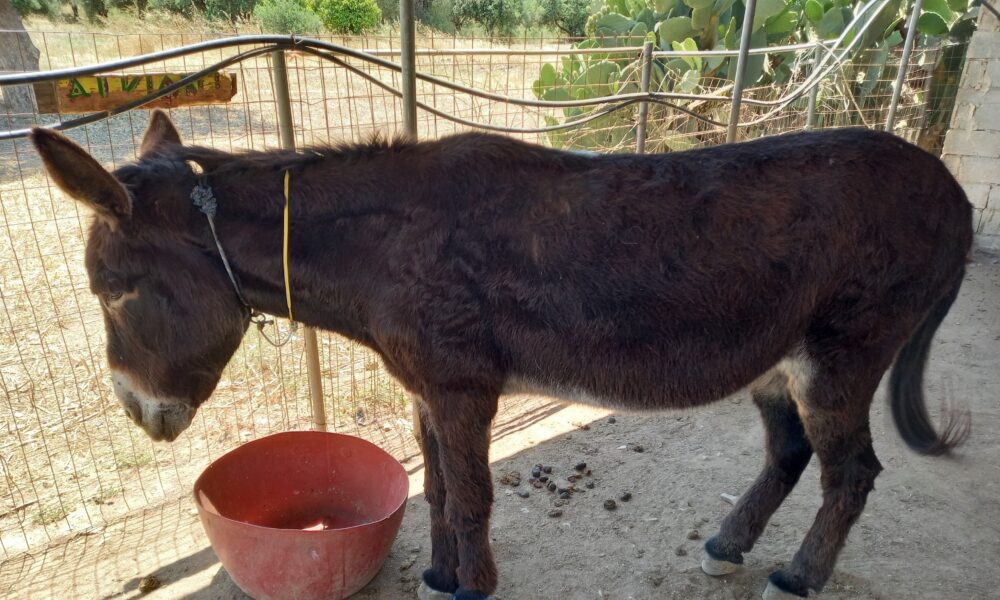
The Equine Care Programme has been supporting the Agia Marina Donkey Rescue for more than a decade. On 28-29 May, farrier Vaios Bakratsas and equine dental technician Alkis Gkeskos visited the sanctuary to provide specialist care for its 32 elderly donkeys.
More than a decade ago, our team’s equine dental technician completed part of his training at this sanctuary. At that time, the elderly donkeys commonly presented with a wide range of serious dental problems in addition to sharp enamel points and minor hooks. These included large hooks injuring the soft tissues, overgrown teeth, wide gaps between teeth, occlusal imbalances, as well as displaced, missing and fractured teeth.
After years of regular annual dental care, the situation has improved dramatically. Despite their advanced age, most of the donkeys now maintain good oral health, which is reflected in both their body condition and their overall wellbeing and behaviour.
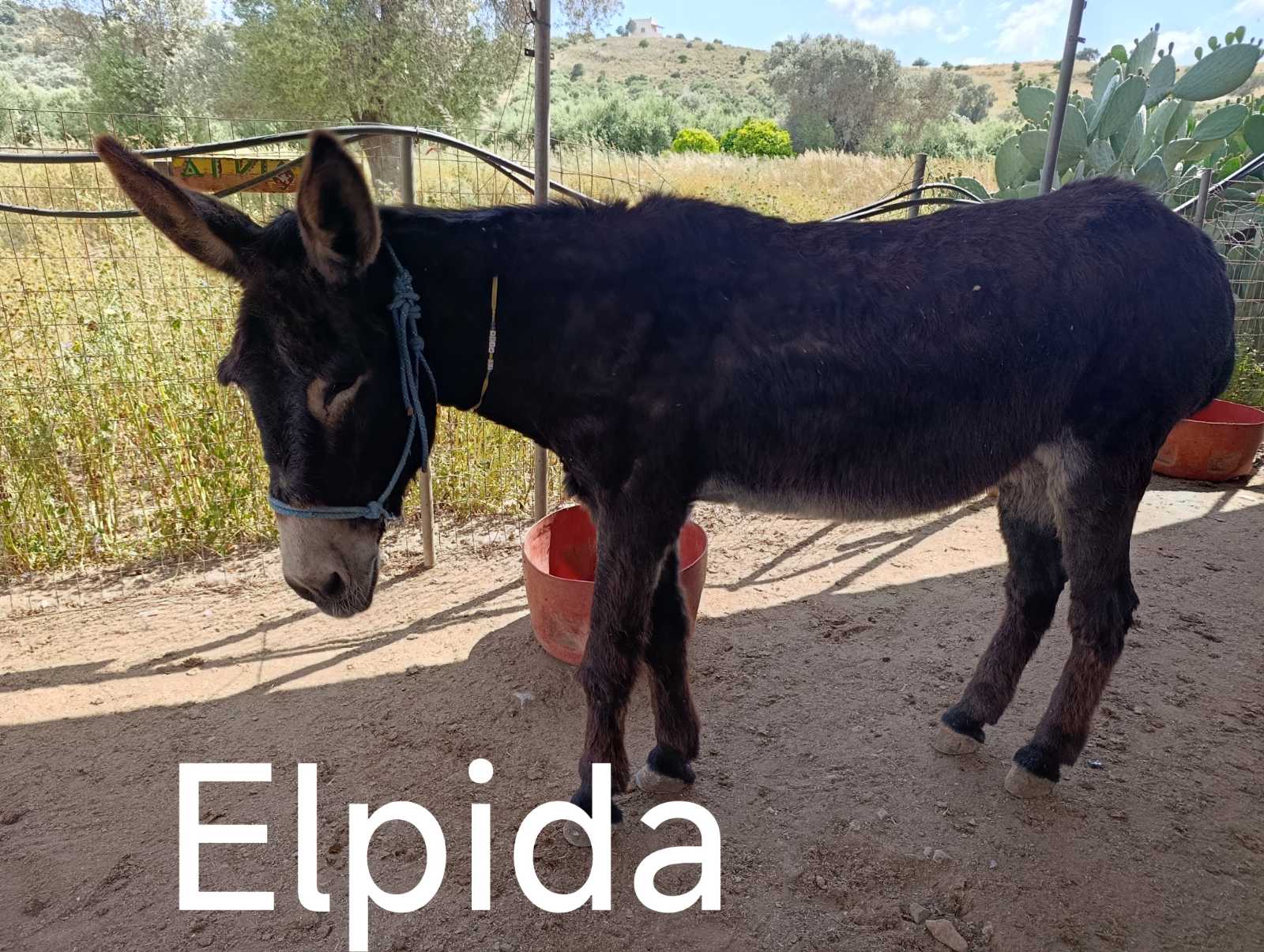
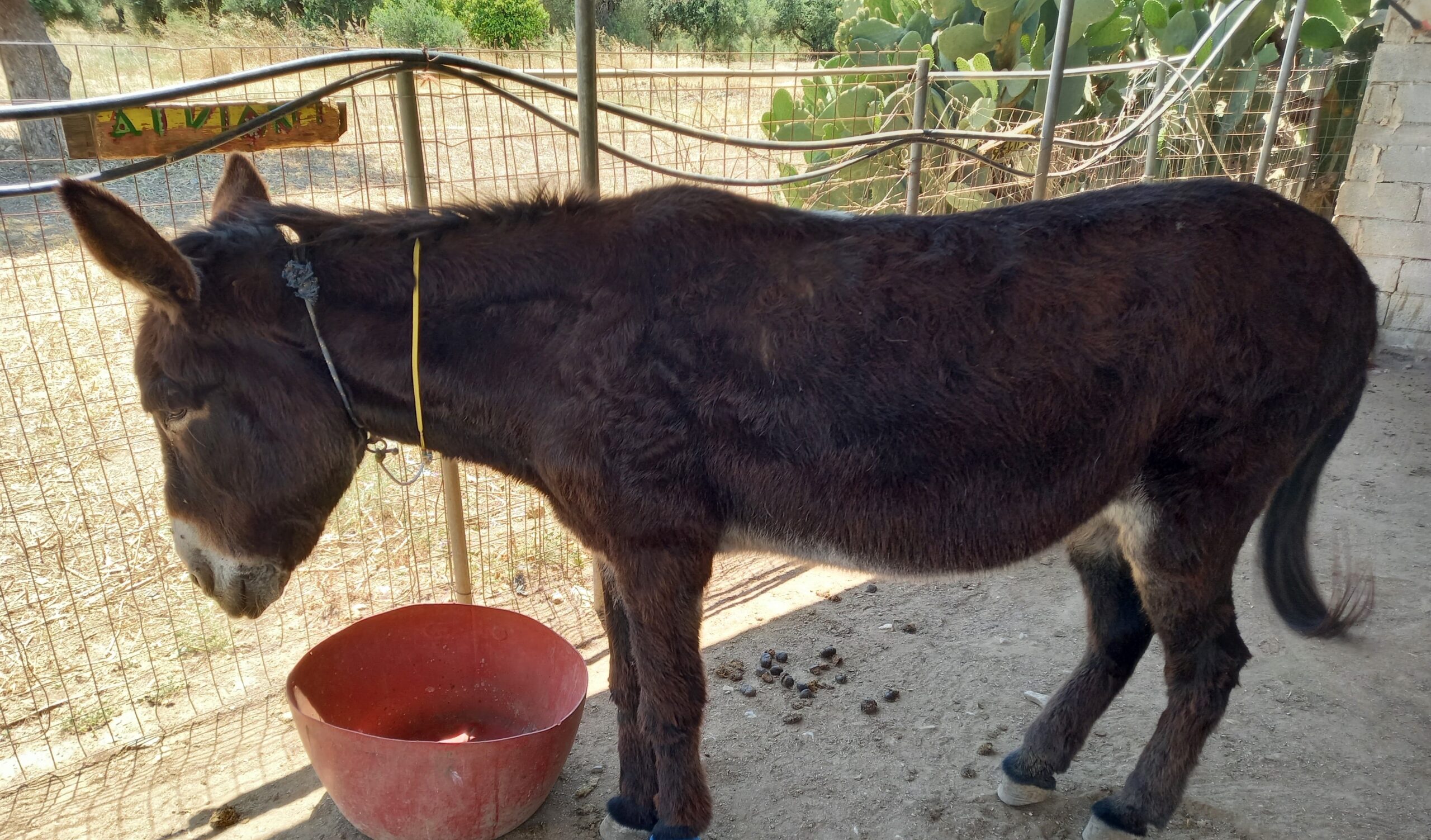
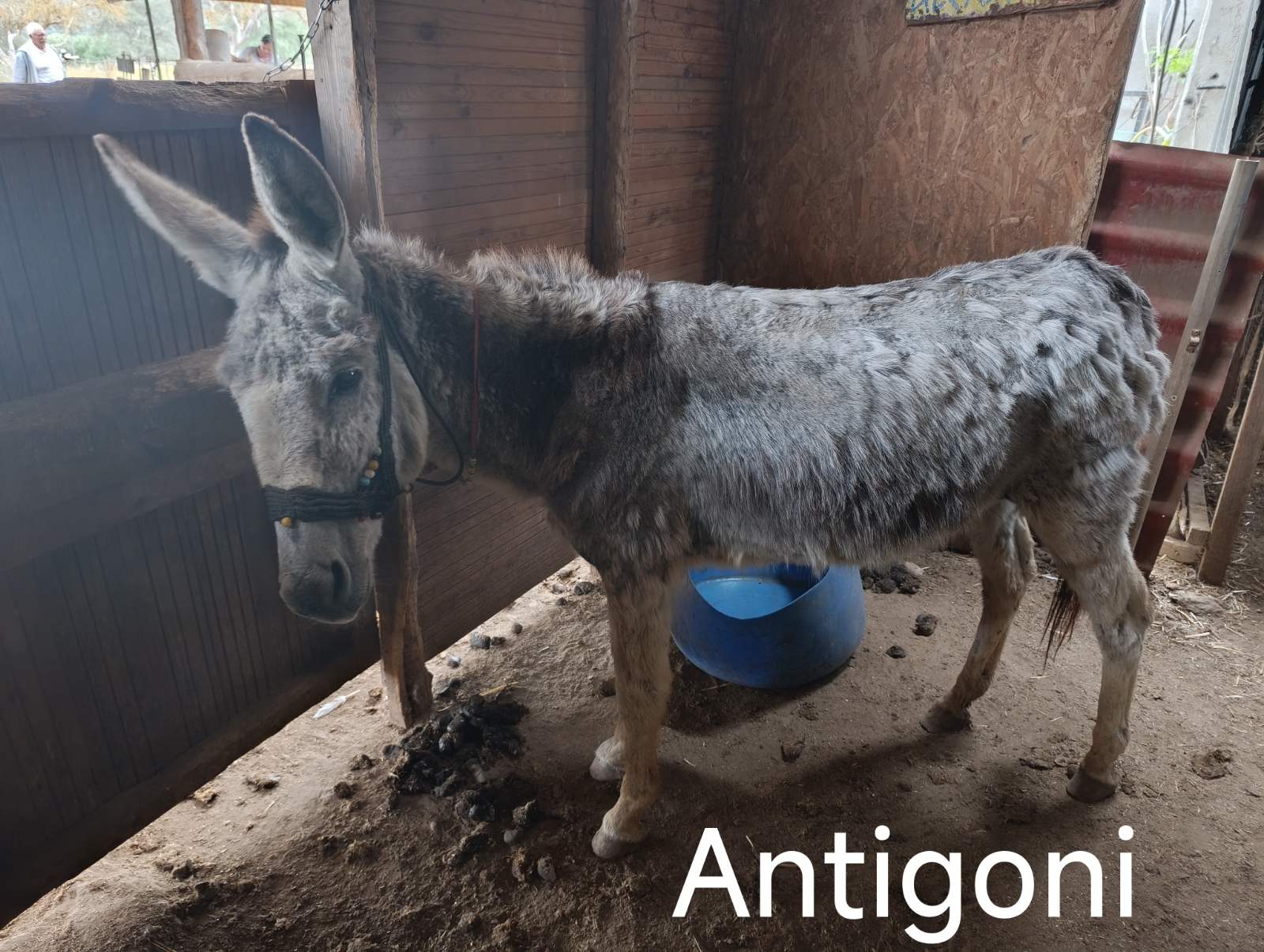
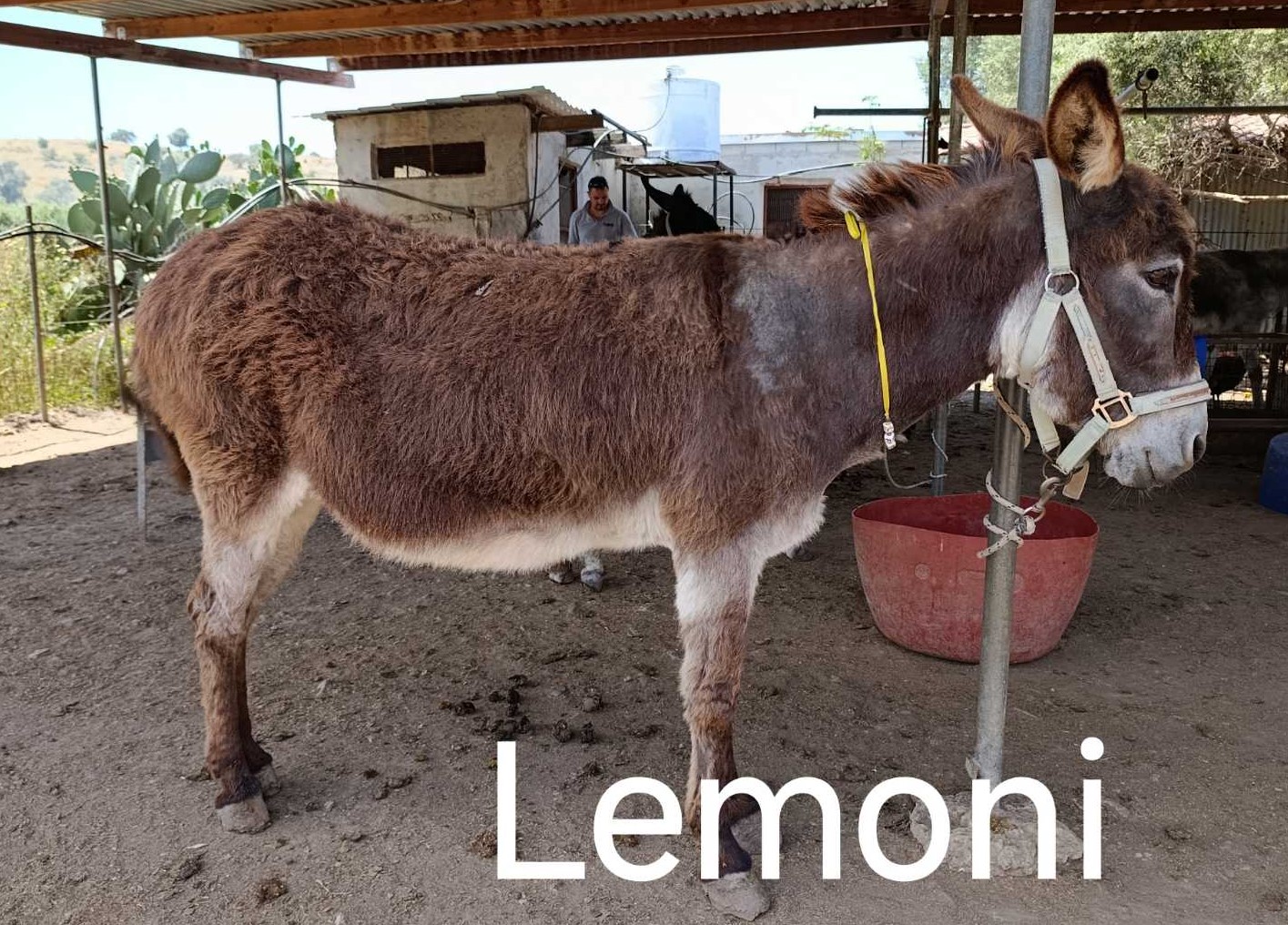
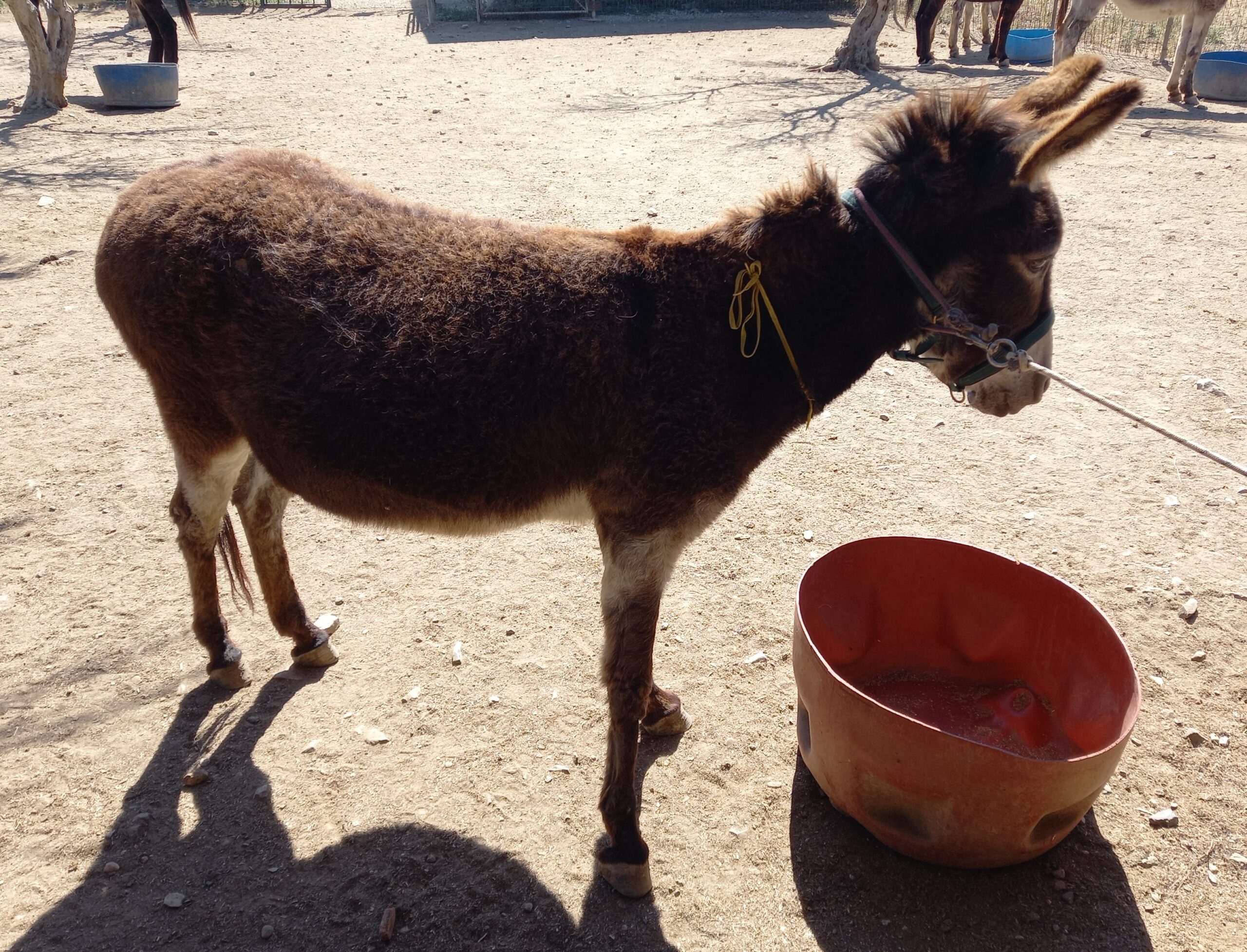
Today, almost all of the animals require only routine dental treatment, including floating sharp enamel points, correcting minor hooks and removing dental calculus. Apart from the occasional tooth extraction associated with old age, significant dental problems are now rare. This progress highlights the long-term impact of our team’s work in improving the welfare of the donkeys at the sanctuary. Several animals showed noticeable improvements in both body condition and overall health compared with last year, including Antigoni, Elpida and Lemoni. Due to the improvement of welfare, all donkeys in the shelter are expected to enjoy a better quality of life and increased longevity.
Elpida in 2025
Elpida in 2026
Antigoni in 2025
Antigoni in 2026
Lemoni in 2025
Lemoni in 2026
Equally encouraging has been the change in the animals’ behaviour. During our first visits, most of the donkeys were nervous, and some reacted strongly to the unfamiliar dental procedures. Today, this is the exception rather than the rule, with almost all of them waiting calmly for their turn. A particularly striking example is Paschalis, previously known as the sanctuary’s “wild donkey”. Following his recent castration, he has become much more sociable and accepted treatment with patience and trust.
Vaios trimmed the hooves of all 32 donkeys. He noted that hoof condition remained stable compared with previous years, while suggesting that additional hoof trimming sessions throughout the year would further benefit the animals. No excessively overgrown hooves were observed,however a few had chronic laminitis and white line disease. Three donkeys required more specialised hoof care because of minor hoof deformities.
Over the years, the sanctuary has provided refuge for many donkeys that had retired from work or had been rescued from neglect and abuse, not only from Crete but also from several Aegean islands. It is a place where elderly donkeys can finally experience the care, security and compassion they were so often denied earlier in life.
Our team was delighted to return once again and provide care for the sanctuary’s donkeys. Although some of the oldest residents had sadly passed away since our previous visit, several new arrivals had found a safe home at the sanctuary.
We look forward to visiting Barbara, Fanis, Michalis and Georgia again in the future. We sincerely thank them for their warm hospitality and, above all, for their unwavering dedication to the care and welfare of these donkeys.