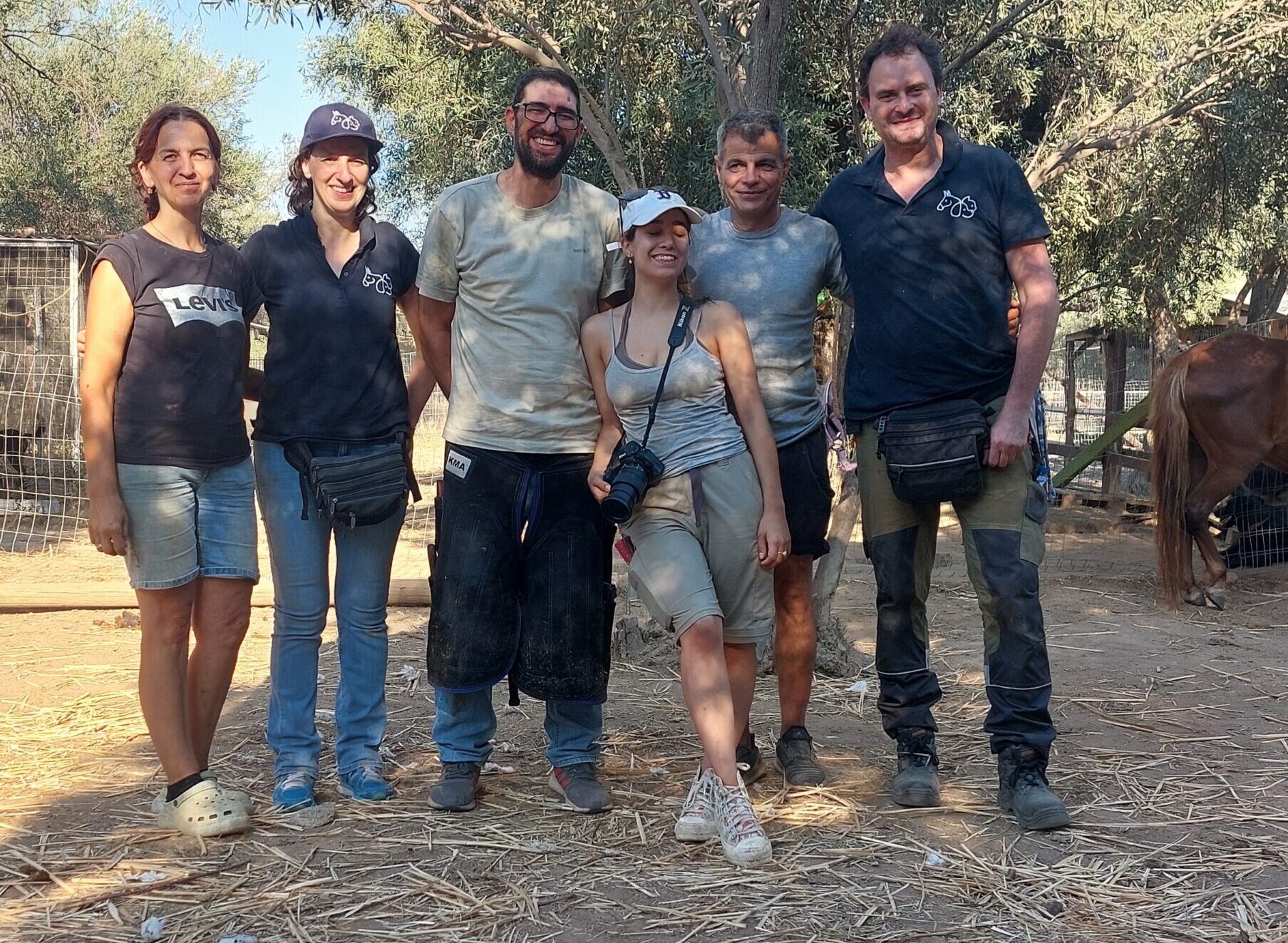
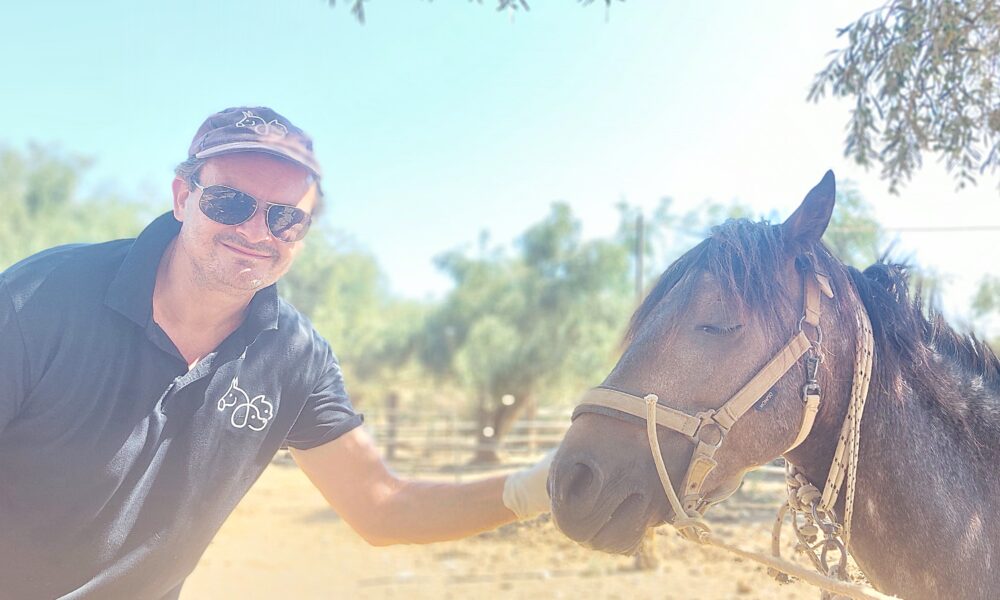
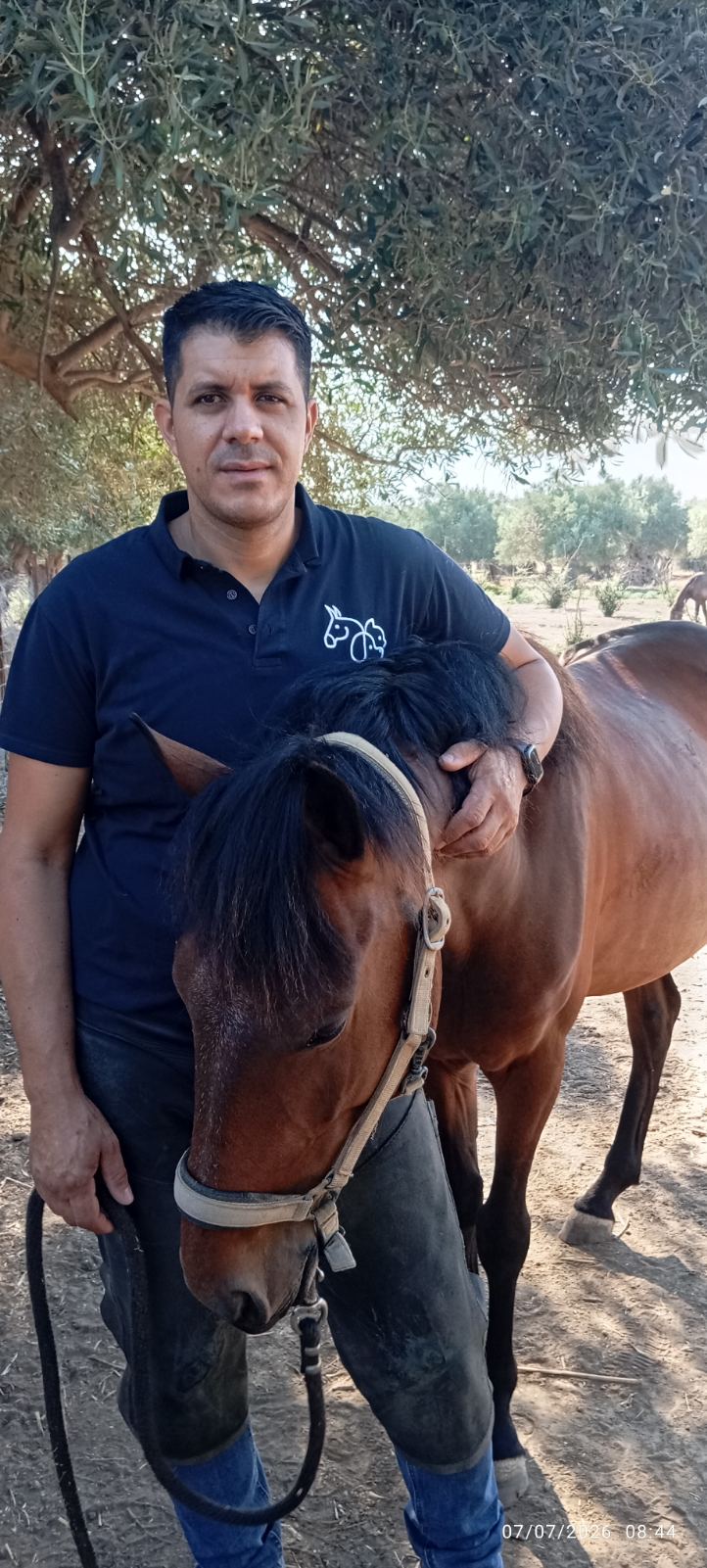
In August 6 & 7, 2026, following a request from the welfare group Arcadia Animal Welfare, the veterinarian and Equine Care Programme Coordinator Elisa Geskou, along with equine dental technician Alkis Gkeskos, visited Paralion Astros to provide veterinary and dental care to the shelter’s equines. Farrier Vaios Bakratsas had provided farriery services a few weeks earlier, on July 6th and 7th.
Progress and challenges
The number of equines at the shelter has now reached 29, which is quite a large number. In addition to the carriage horses that were rescued last year and given a new chance at life, a herd of wandering horses was also found and brought there a few months ago.
Because the work of the volunteers is well known not only in the local area but also in neighboring municipalities and regional districts, whenever there is a need, the police and local authorities turn to them for help.
However, while Arcadia Animal Care is always willing to provide assistance, the support it receives from the authorities is not nearly as forthcoming. This is the case both in the area of stray dogs and in the care of equines. As a result, the number of animals at the shelter and their needs continue to grow, without any corresponding increase in financial or practical support.
Another significant problem that the shelter is facing, is the growing number of male equines, which urgently need to be gelded in order to prevent uncontrolled breeding. The cost is the main obstacle and it is one that needs to be overcome as soon as possible.
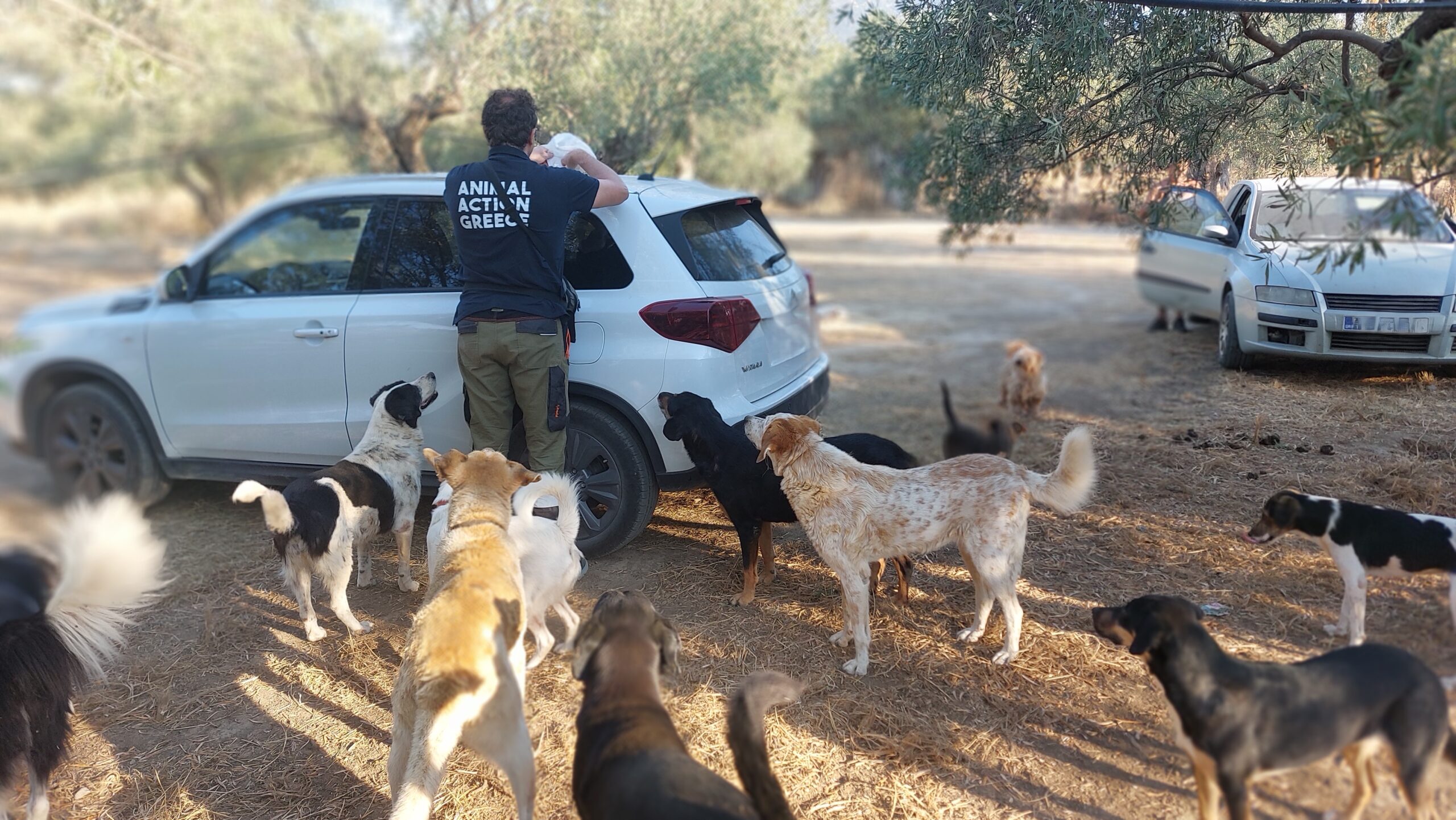
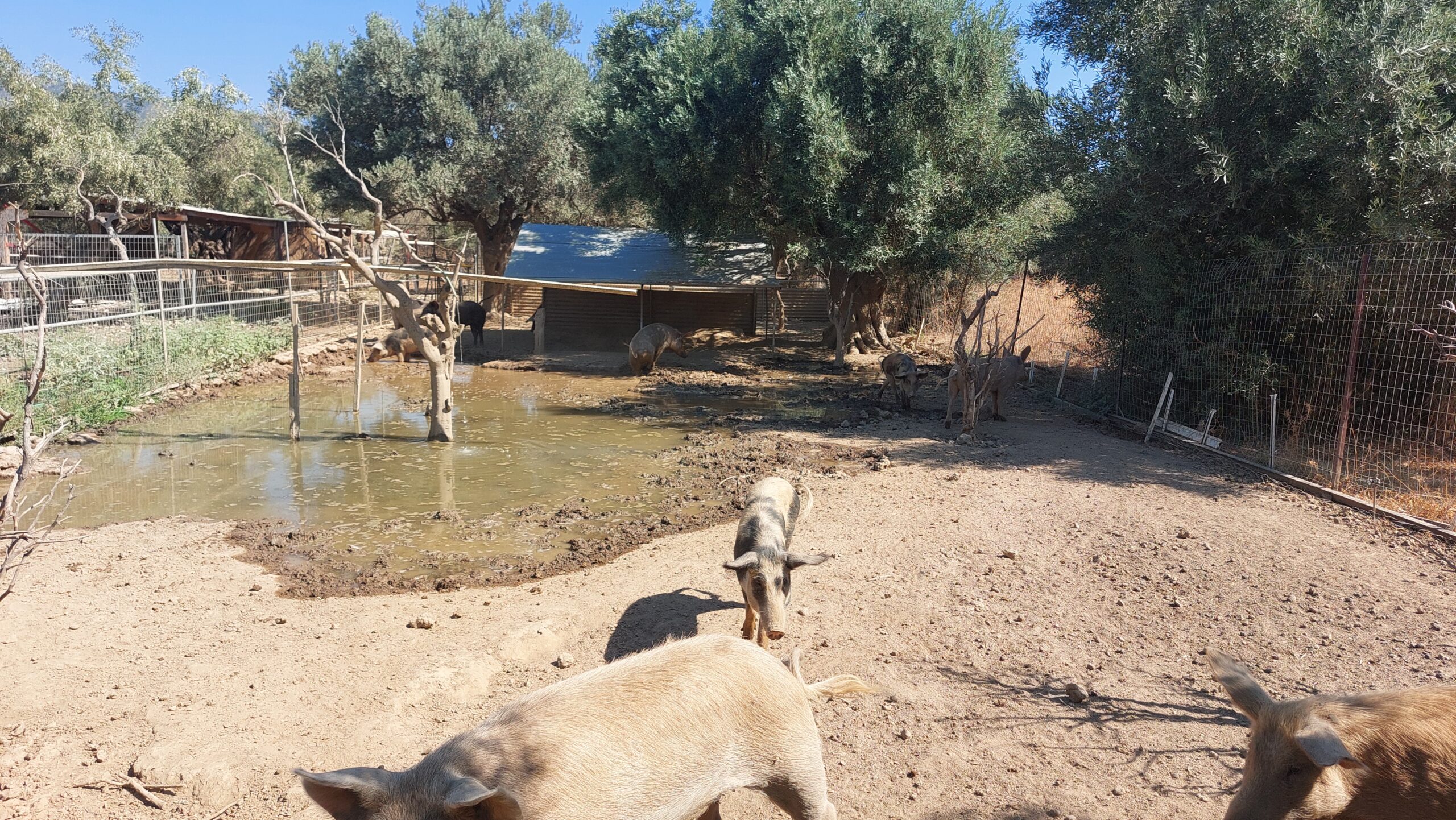
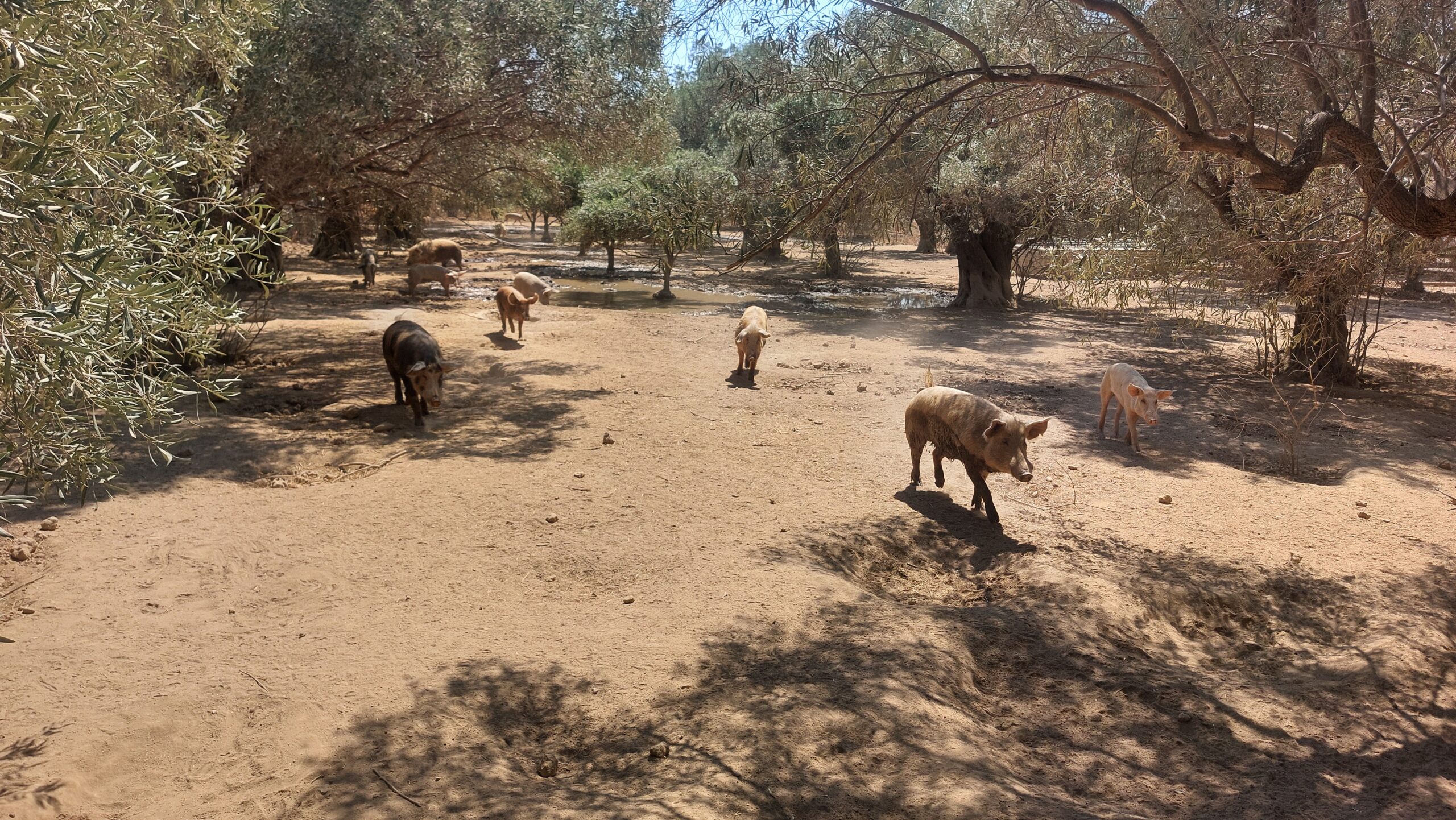
Although the volunteers understand the importance of handling and working with the equines and have made remarkable progress with many of the fearful animals in their care, the daily workload involved in looking after so many animals at the shelter (dogs, equines, pigs, hens, sheep) is so demanding that there is never enough time to devote to those horses and donkeys that are difficult to catch.
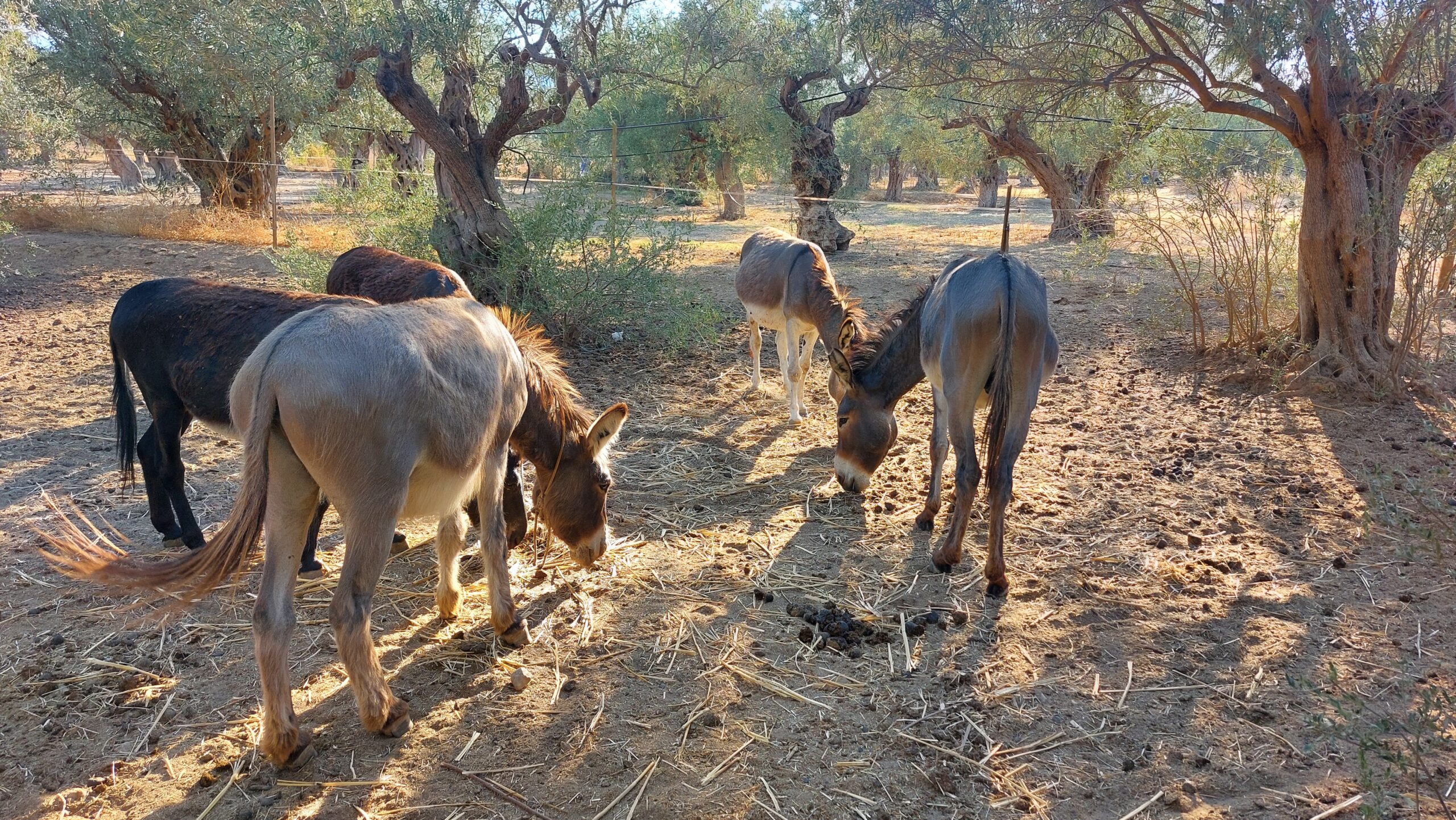
The shelter would benefit enormously from a volunteer with experience in horse handling who could visit the facility and work with these animals on a daily basis until they learn to approach people voluntarily and accept a headcollar – an important first step in their handling and rehabilitation.
As we were informed, Arcadia Animal Care received such a volunteer visit last year from the regional unit of Ilia. It would be extremely helpful if visits of this kind could be repeated, or if any individuals with the necessary knowledge and willingness to help could volunteer their time to assist with this aspect of the animals’ care.
Health checks and encouraging improvements
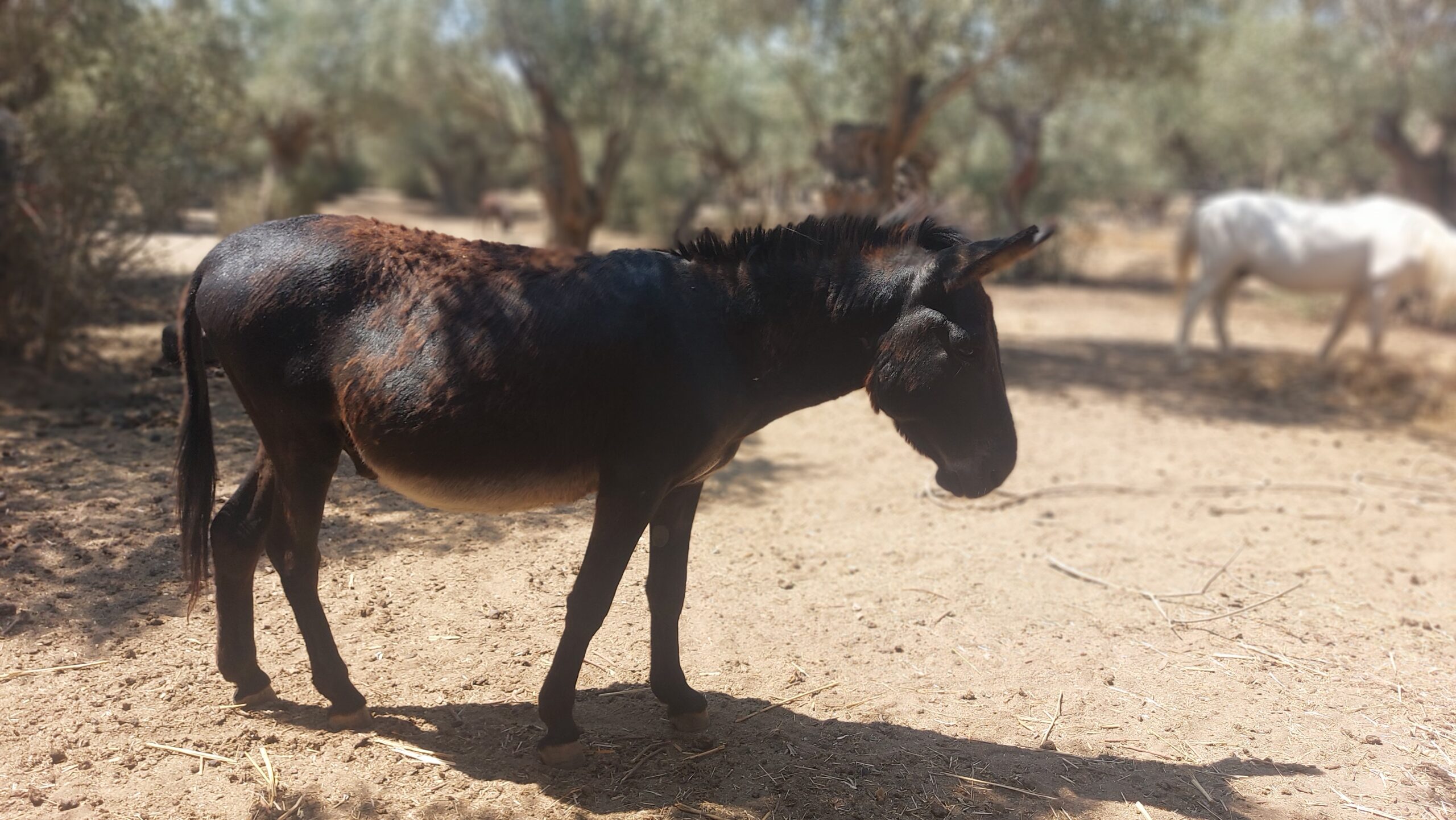
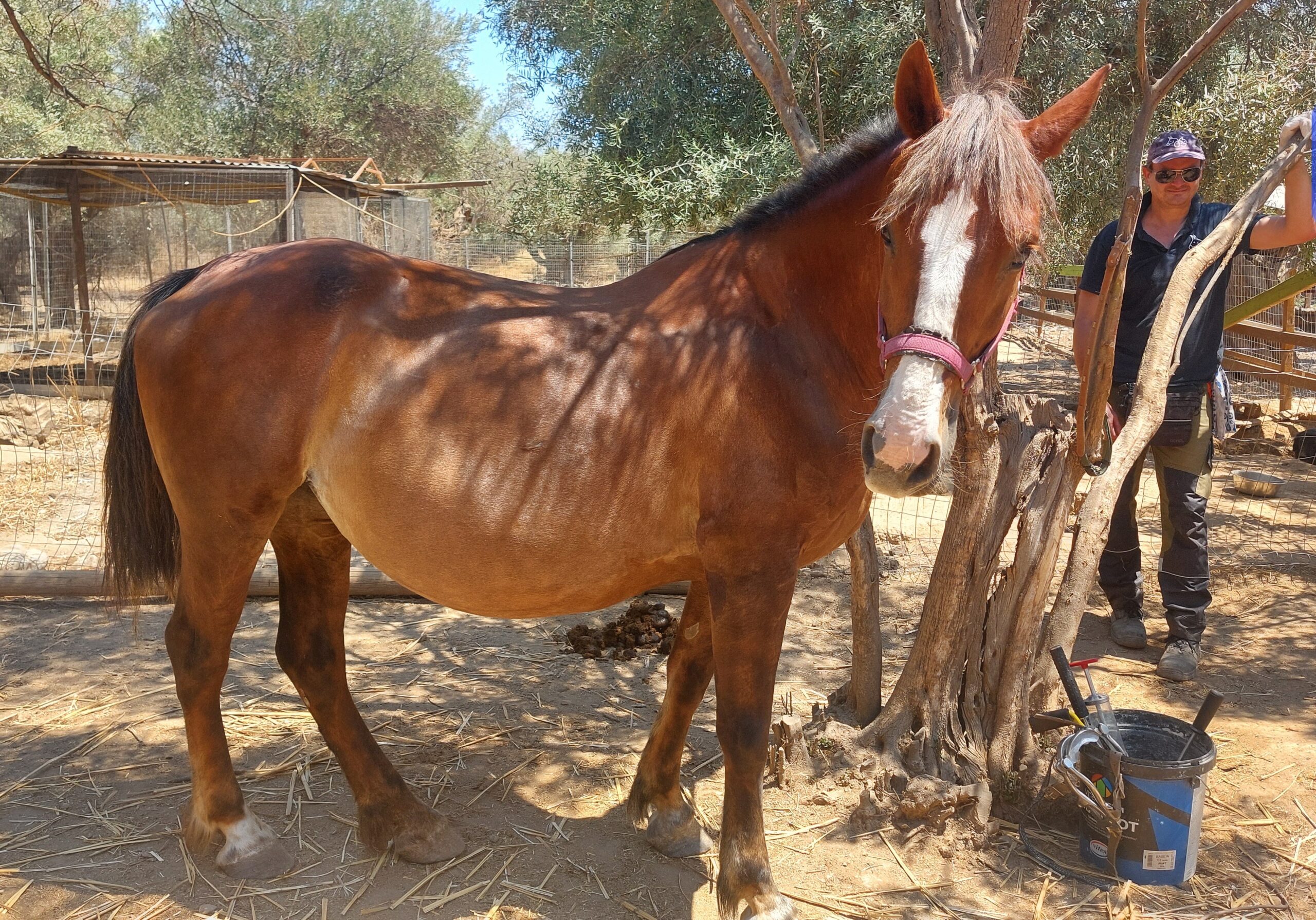
During this year’s visit, the majority of the horses and donkeys were found to be in good body condition, as the equines now receive routine annual dental care and the volunteers follow our dietary recommendations.
The animals that are underweight are either those that have not yet been successfully caught and handled in order to receive dental care, or those that need to be separated and provided with a special diet consisting of soft, specialized feed and supplements to help them gain weight.
Elisa examined all the equines that could be caught and provided guidance, mainly on individualised feeding plans, in order to help the animals that are in poor nutritional condition. Unfortunately, providing individual diets is not easy when there are no suitable individual facilities available, as setting these up involves additional costs. The volunteers are willing to do everything they can with the financial and practical resources available to them and they have also made it a goal to create the necessary conditions for this.
Something that positively surprised us once again was the complete absence of external parasites at the facility, even in the middle of summer and despite the large number and variety of animals kept there. There were not even any stable flies.
Even one of the horses, Piratis, who suffers from hypersensitivity to midge bites, which causes itching and self-trauma to the skin, showed significant improvement this year, particularly around the mane and the base of the tail. The recommendations given by Elisa two years ago regarding his weight reduction have been followed and continue to be followed. As a result, the once obese horse was found once again this year in ideal body condition.
Dental and farriery care
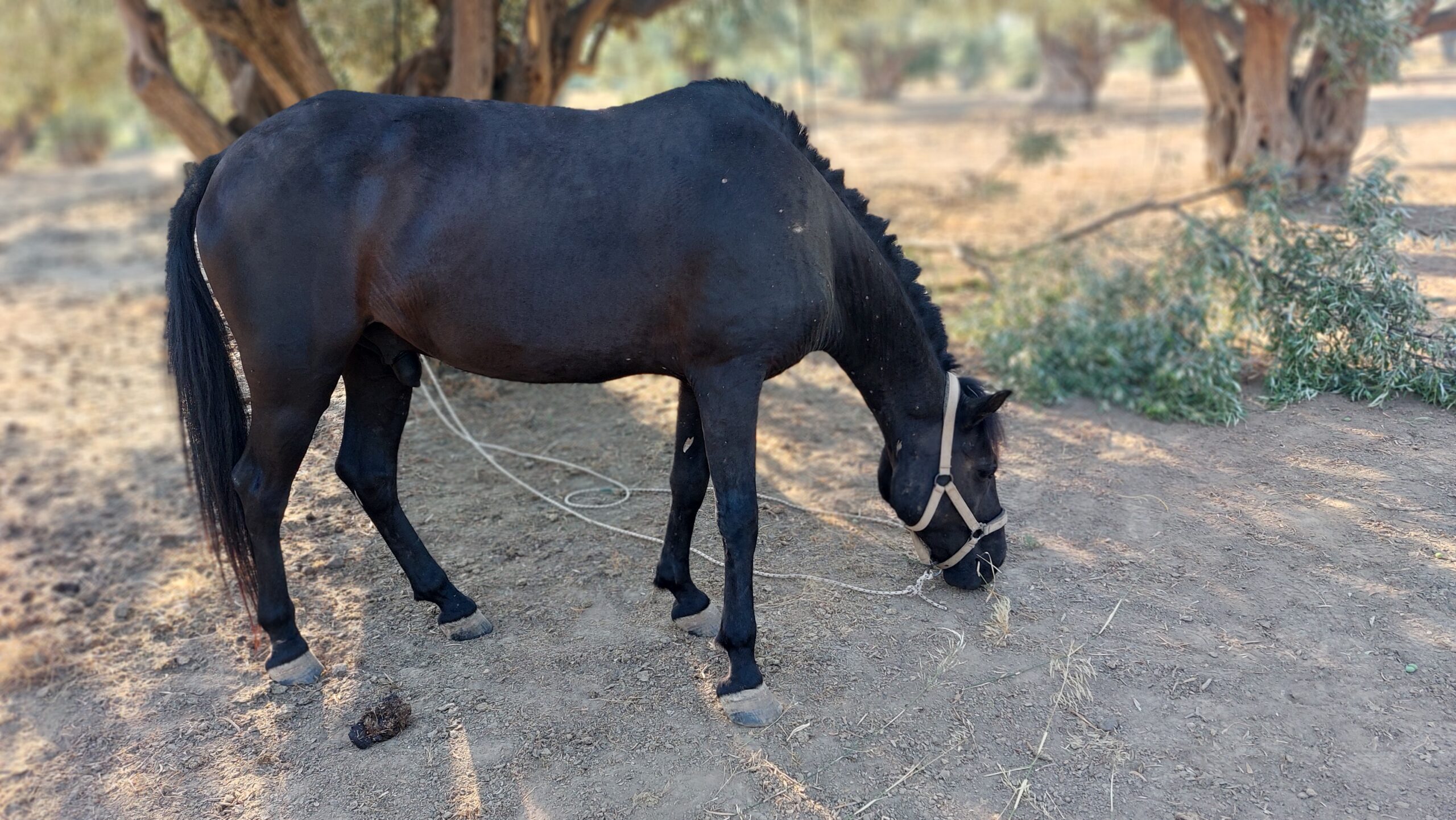
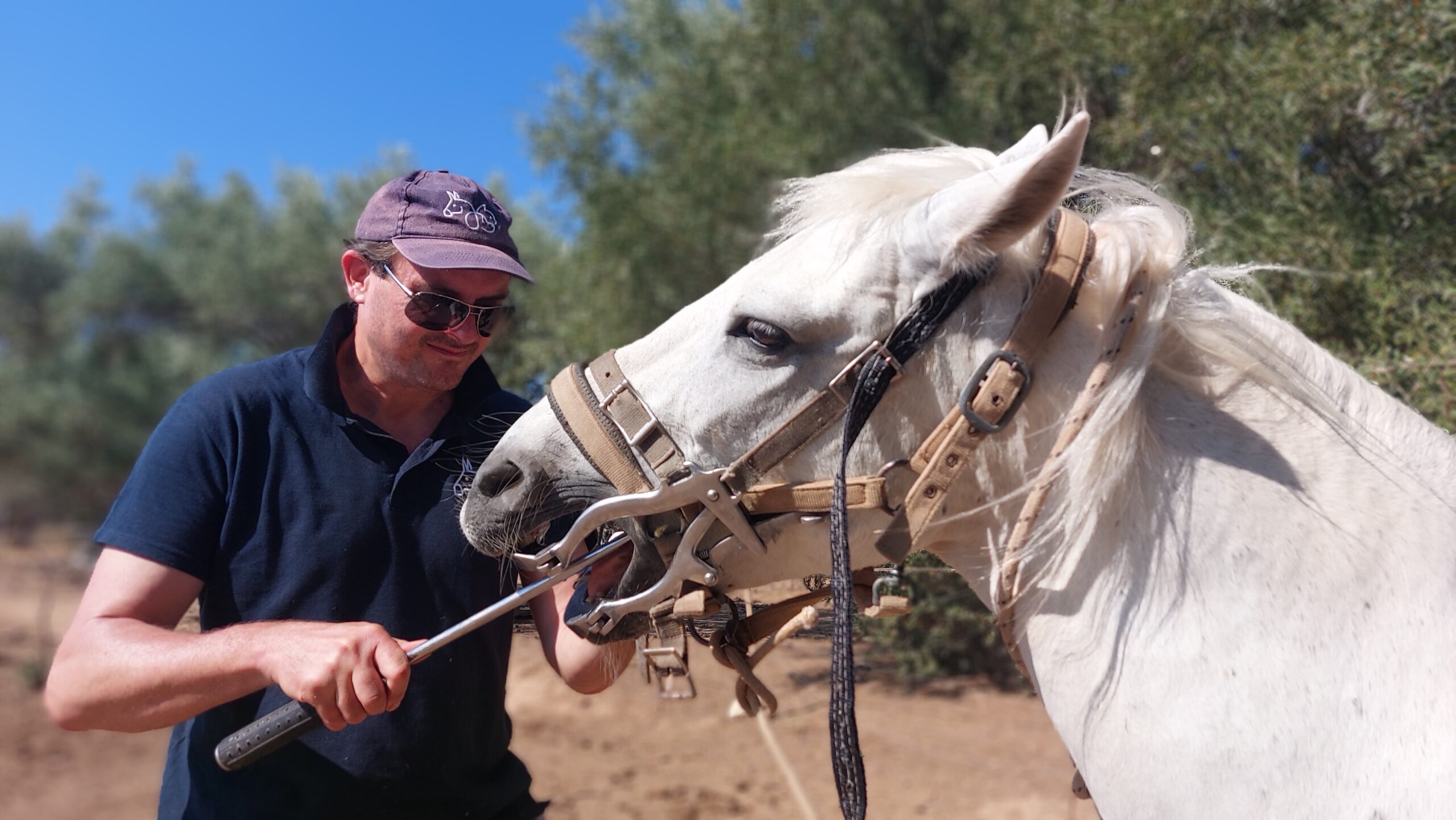
Alkis examined the animals’ mouths and filed down the sharp dental points, as well as hooks and ramps. The sharp edges were small in the animals that have been permanently housed at the shelter, but more pronounced in the newly arrived animals. All the animals remained calm throughout the procedure, apart from a newly arrived stallion who was nervous in the beginning but relaxed toward the end of the procedure. Marios’ behavior made a very positive impression. He remained completely still throughout the dental care, like a statue, appearing to enjoy the procedure. This was yet another clear demonstration of the importance of the training he received exactly three years ago from our equine dental technician, when he was still a young and particularly reactive animal. In several animals, dental calculus that had accumulated on the incisors and canine teeth was removed. If not removed, this calculus can lead to gingivitis and periodontitis.
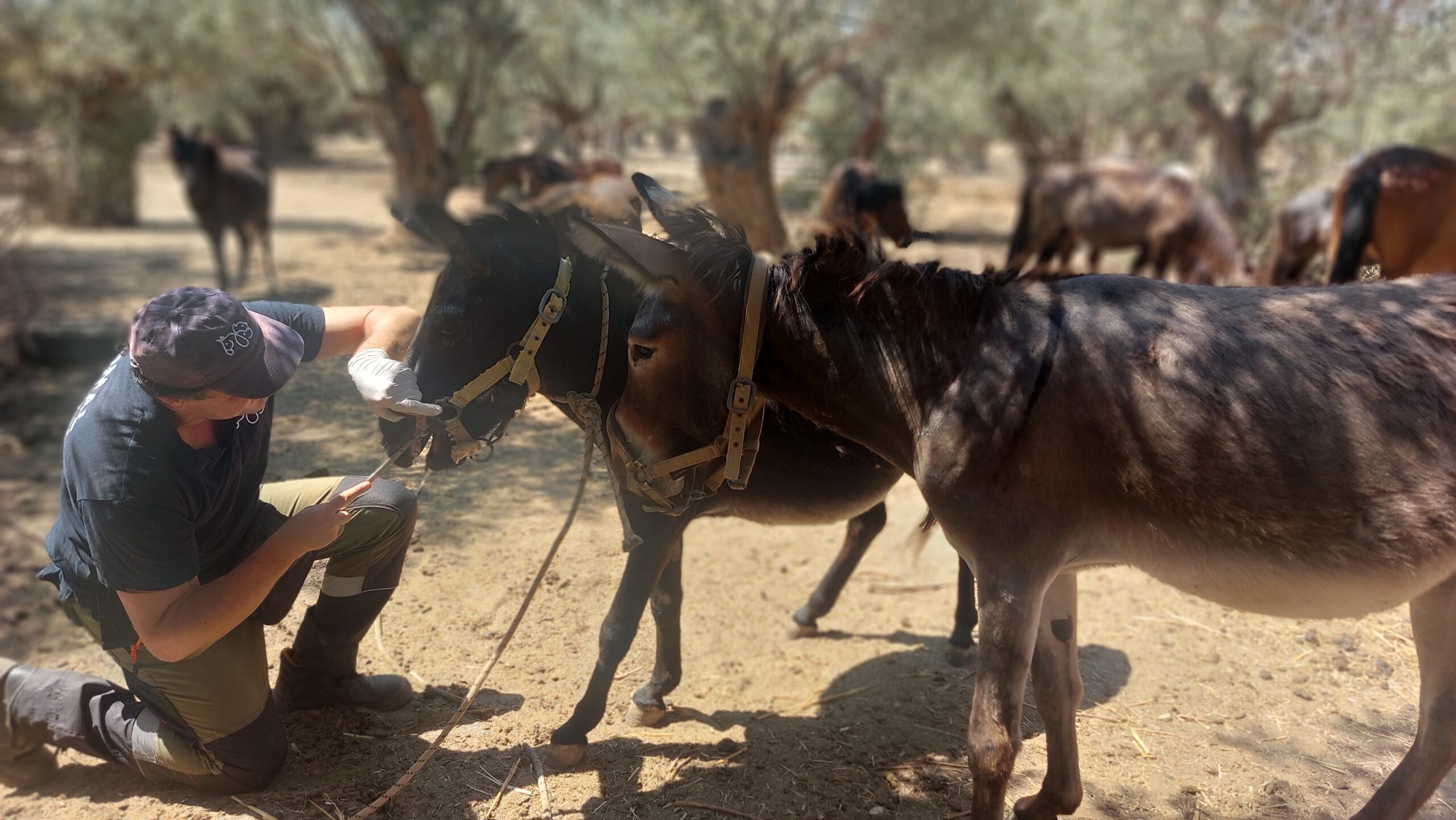
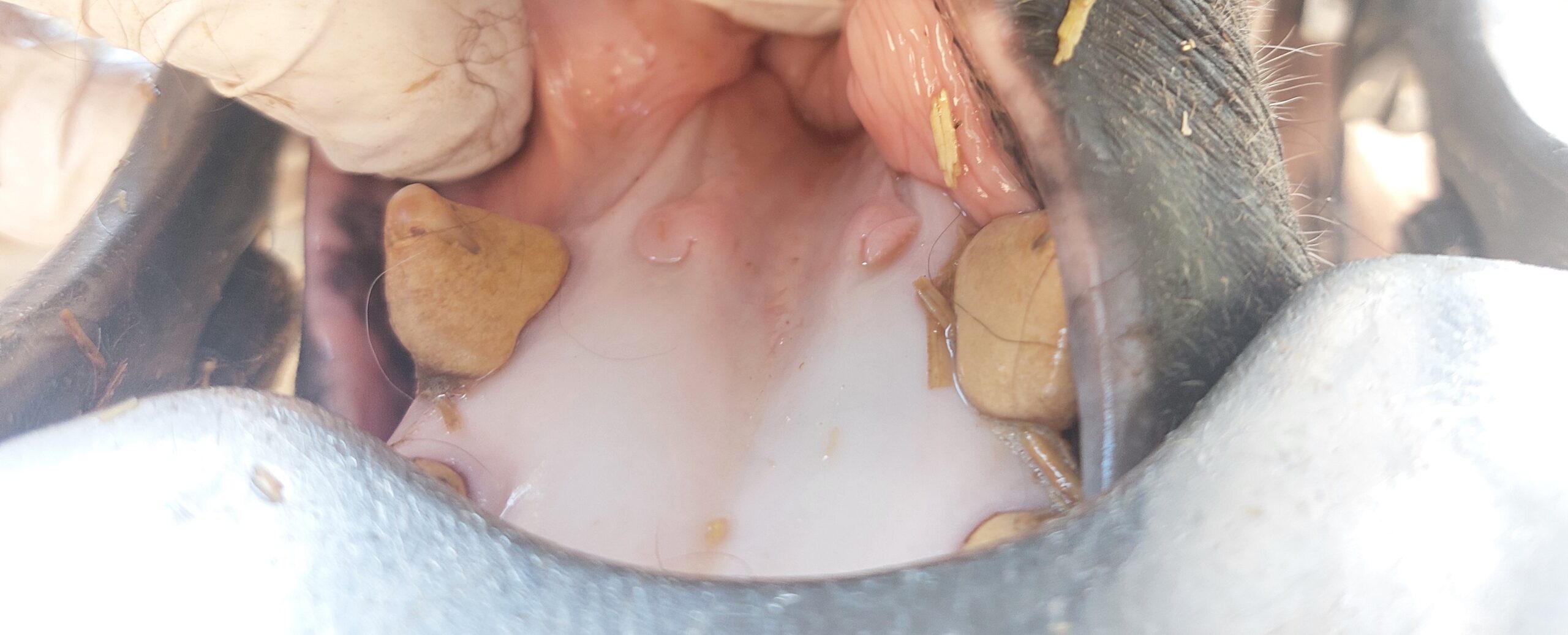
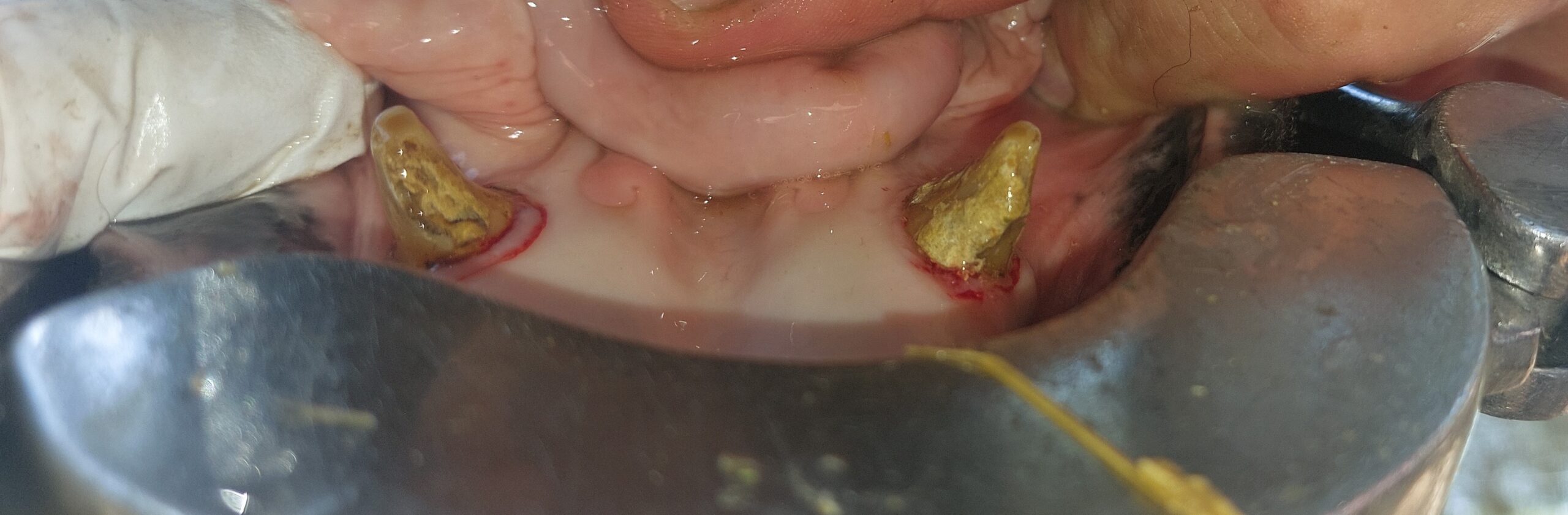
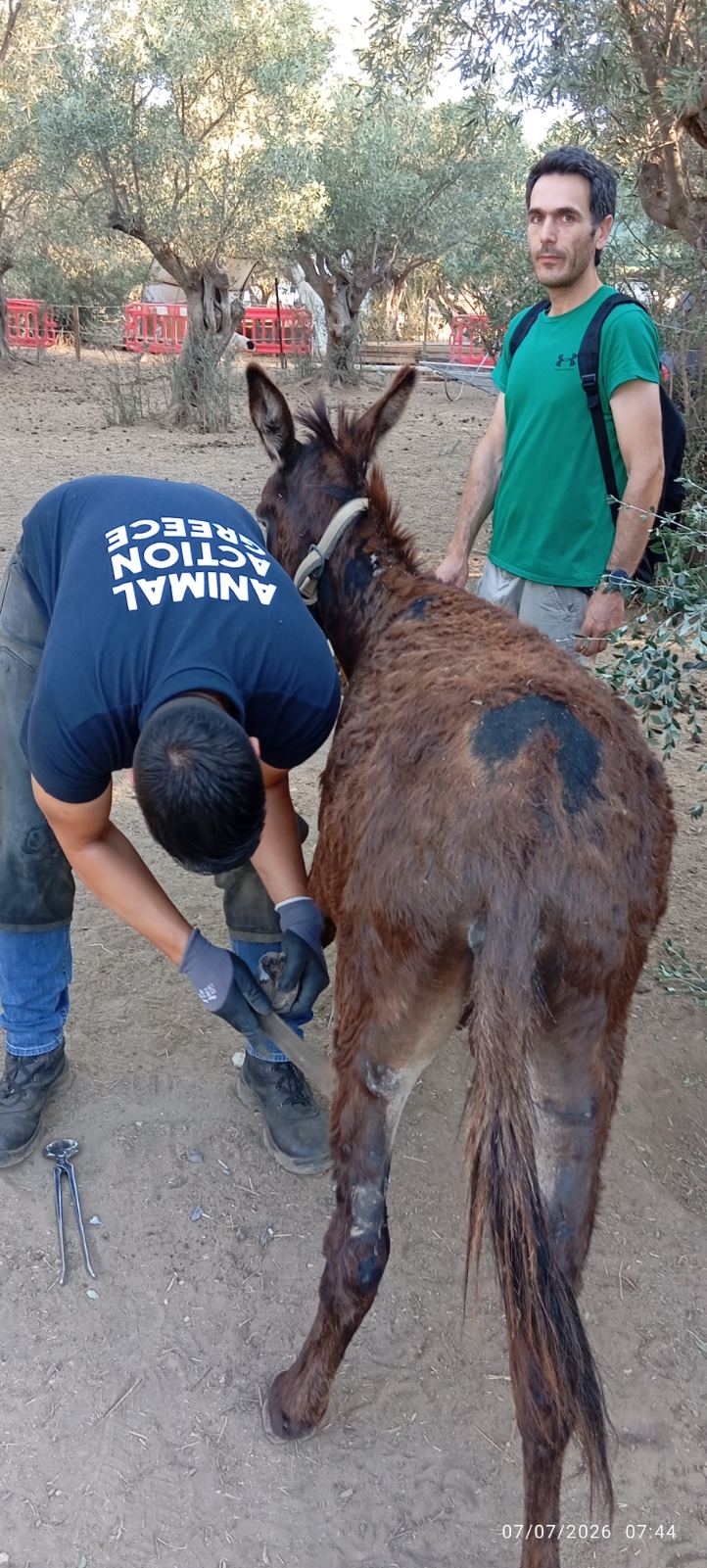
Vaios trimmed the hooves of the equines that could be caught and required hoof trimming. The animals were cooperative and showed their appreciation in the best possible way by remaining calm throughout their care. As the equines now live freely across a large area, it was not possible to catch all of them and provide the necessary care. The volunteers were therefore once again given guidance and instructions, so that by the team’s next visit, further steps are taken to help with the animals’ training and make them easier to catch and handle.
The equines’ hooves are generally maintained in quite good condition, as the animals move over large areas of dry ground, which naturally wears down their hooves. However, the contribution of volunteer Tasos Doukas is also important. He visits the shelter as often as he can during the year and, using the basic hoof-trimming skills he has acquired, helps keep the equines’ hooves in good condition.
Poulagrís, the young donkey who was bitten by wolves in 2022, Pyrimachos, the elderly donkey who survived the fires in Arcadia in 2021 and Diotima, who was found covered in blood after a headcollar had become deeply embedded in the skin of her head, continue to happily enjoy the company of the other animals and the care provided by the shelter’s volunteers.
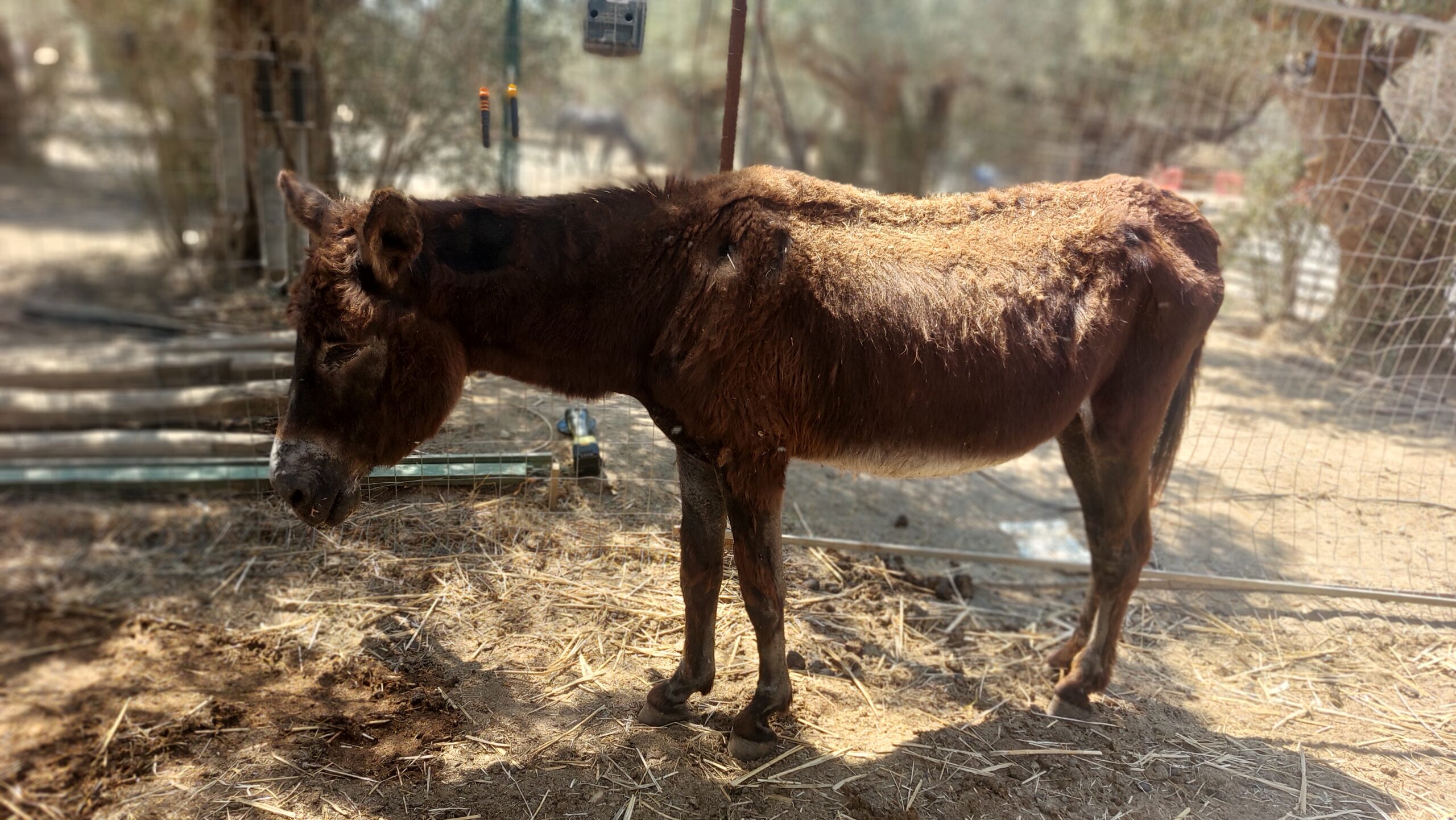
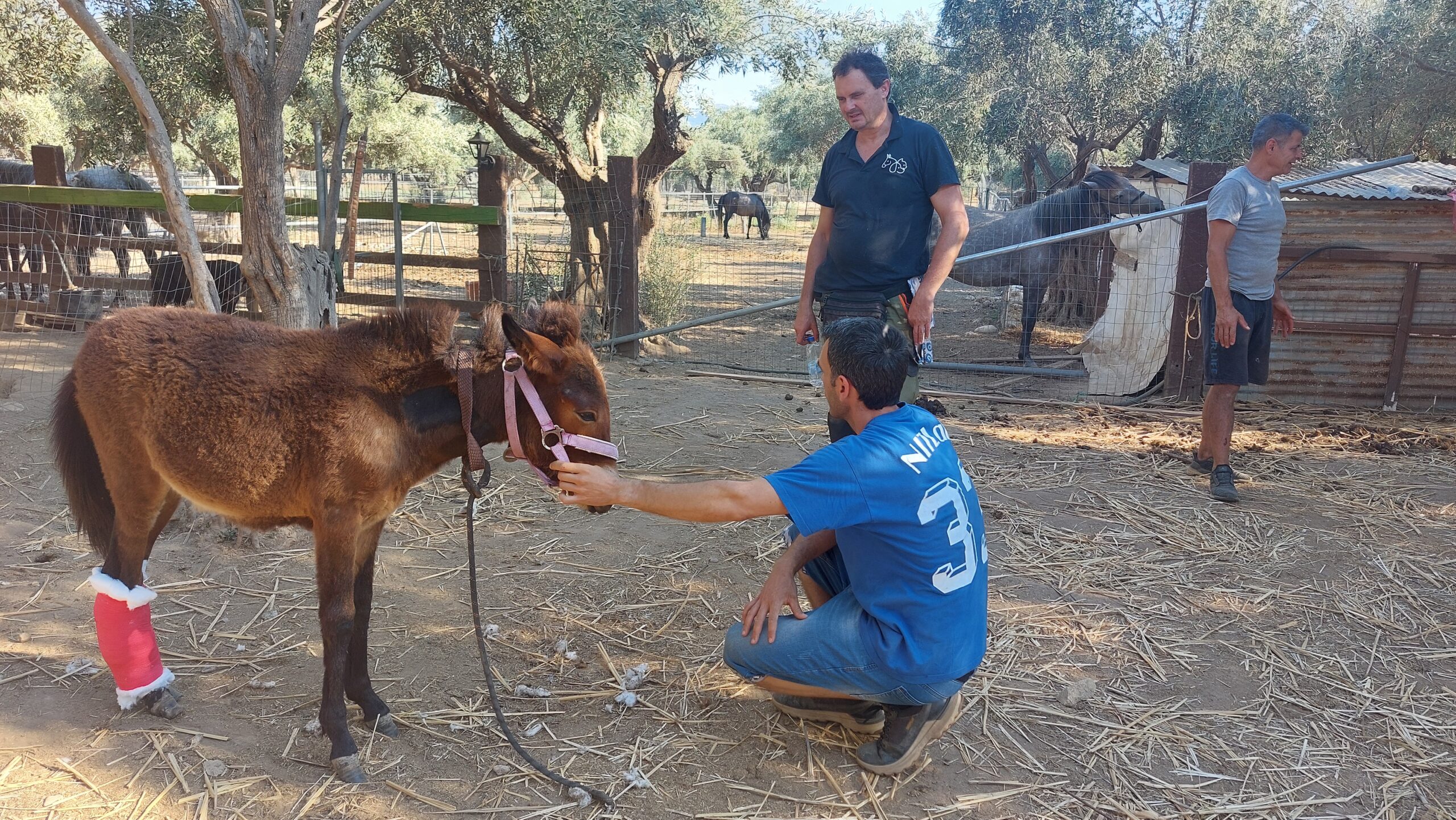
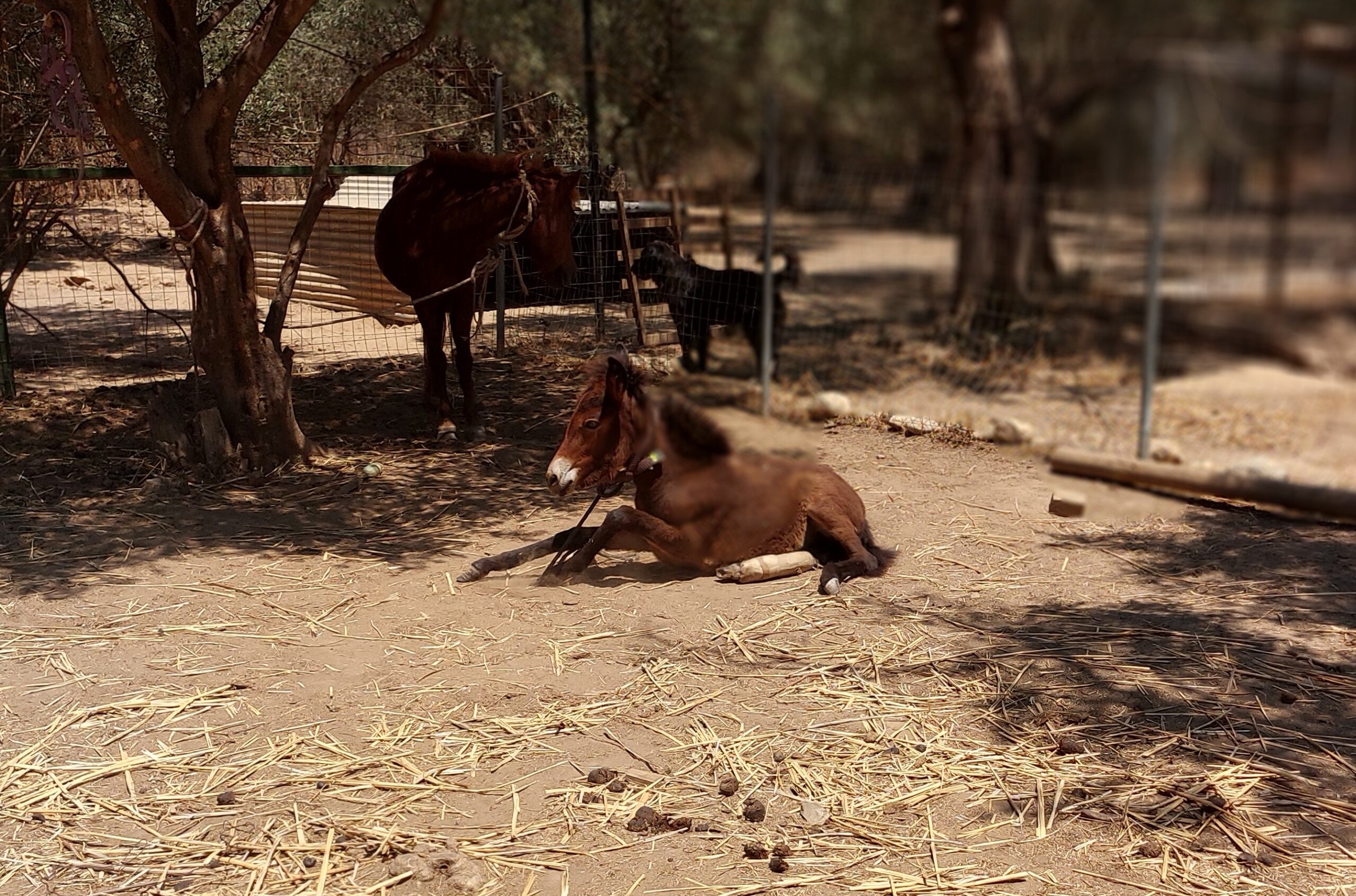
This year’s visit by the team was largely focused on the young mule who had been found on Easter Sunday among a herd of horses roaming freely in Astros Kynourias, creating risks both for the animals themselves and for drivers. Kuzco, who was approximately one and a half months old at the time, had suffered a serious injury to her right hind leg. Despite being in pain, she continued to follow her mother, further worsening her condition.
The volunteers had managed, after a great deal of effort, to rescue the animals and, following examinations, Kuzco was diagnosed with a comminuted fracture on the metatarsal. Although the chances of a successful outcome were limited, she was transported to the Veterinary School of the Aristotle University of Thessaloniki, where she underwent a demanding surgical procedure performed by the specialized veterinary team of Dr. Nikos Diakakis.
The surgery was successful at the time, but the risk of complications such as osteomyelitis remained. She overcame this through continuous medication, including antibiotics and painkillers, as well as close monitoring.
The volunteers once again transported Kuzco to Thessaloniki, despite the considerable difficulties and expense involved, where follow-up X-rays were performed and her cast was changed.
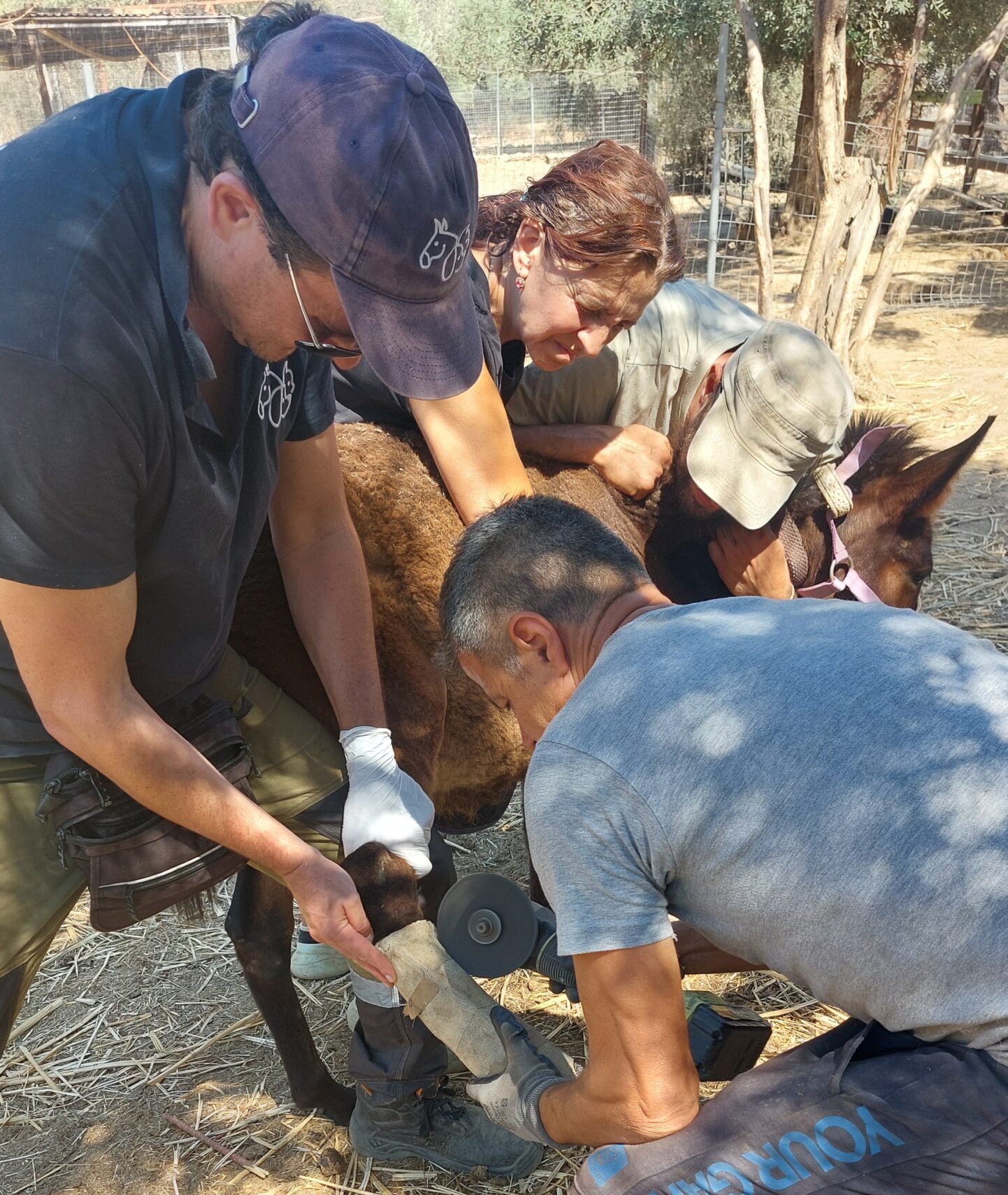
The most recent X-rays showed that the fracture had now healed quite well. The instructions given by the professor veterinarian were to remove the final cast and apply a specialized stabilizing bandage. Therefore, the presence of our team’s veterinarian at this particular time was a blessing, as it meant that the foal did not have to be transported again. Volunteer friends of Arcadia Animal Care were also present at the shelter that day, including Tasos Doukas, who made a substantial contribution to the collective effort, and Maristella Papapetropoulou, whom we would like to thank not only for her assistance but also for the photographic material she provided.
Removing the cast proved to be a rather time-consuming process, as the appropriate equipment was not available and every movement had to be carried out with great care to avoid injuring Kuzco. At the same time, the high temperatures made the whole procedure even more challenging.
After a joint effort and close cooperation among everyone involved, the cast was successfully removed, and Elisa applied a Robert Jones stabilizing bandage to support a smooth recovery for the next days.
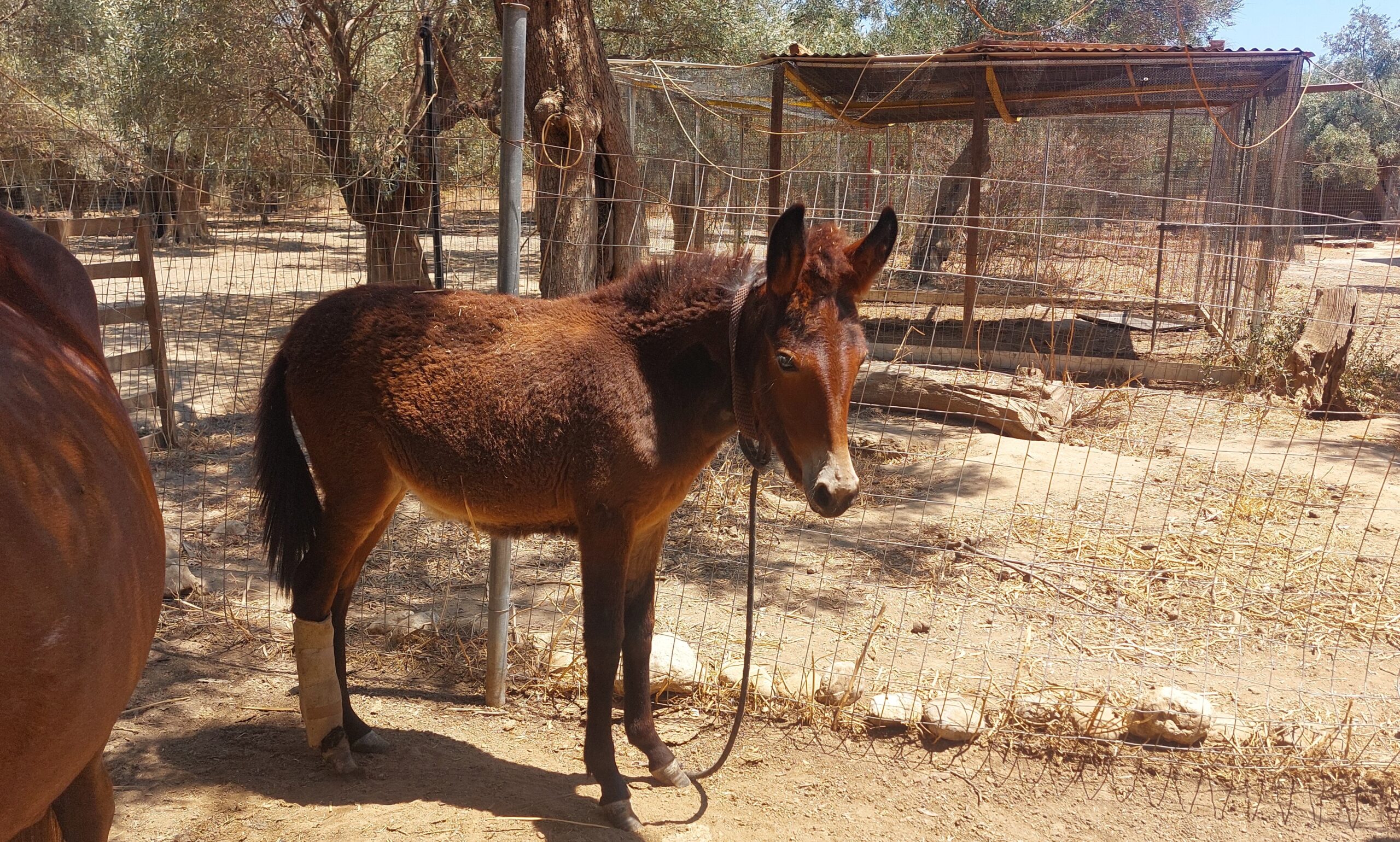
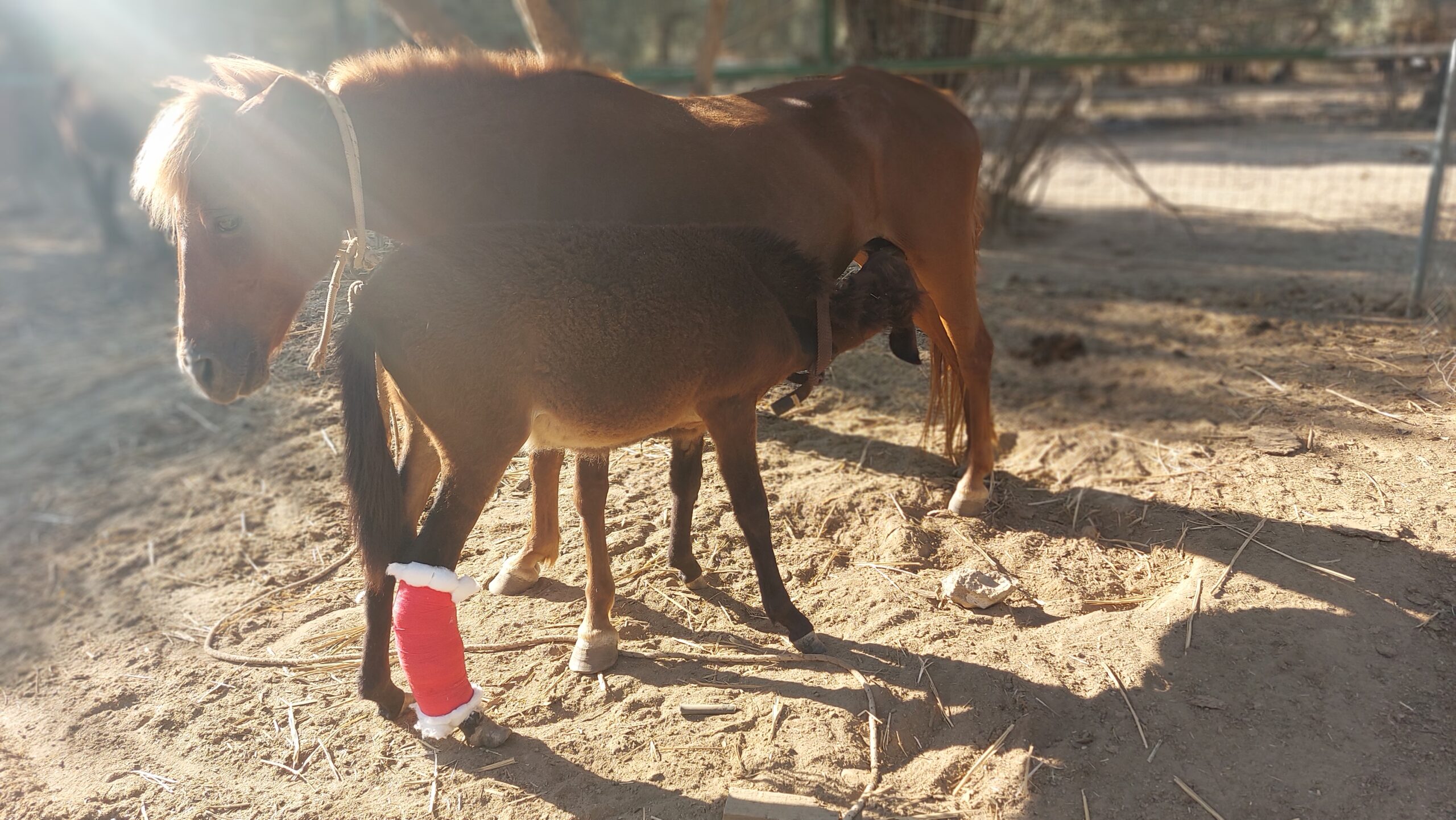
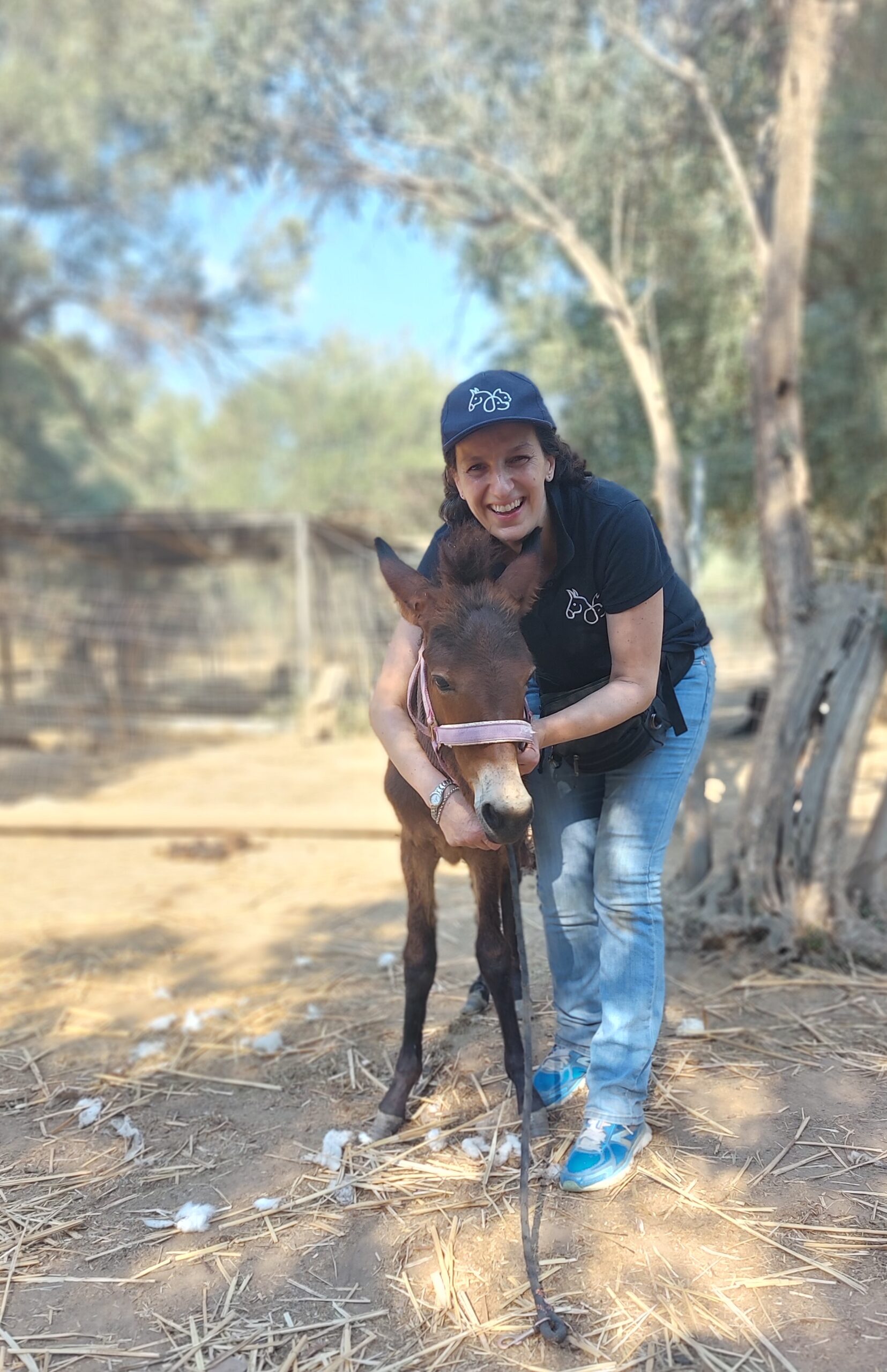
The Arcadia Animal Care volunteers go above and beyond every single day. They care for a large number of animals and the fact that they have managed so far to save Kuzco’s leg, despite their enormous daily workload and when all the odds were against them, is truly admirable. The young foal will need gradual, controlled movement to begin rebuilding her muscular strength and eventually return to normal function.
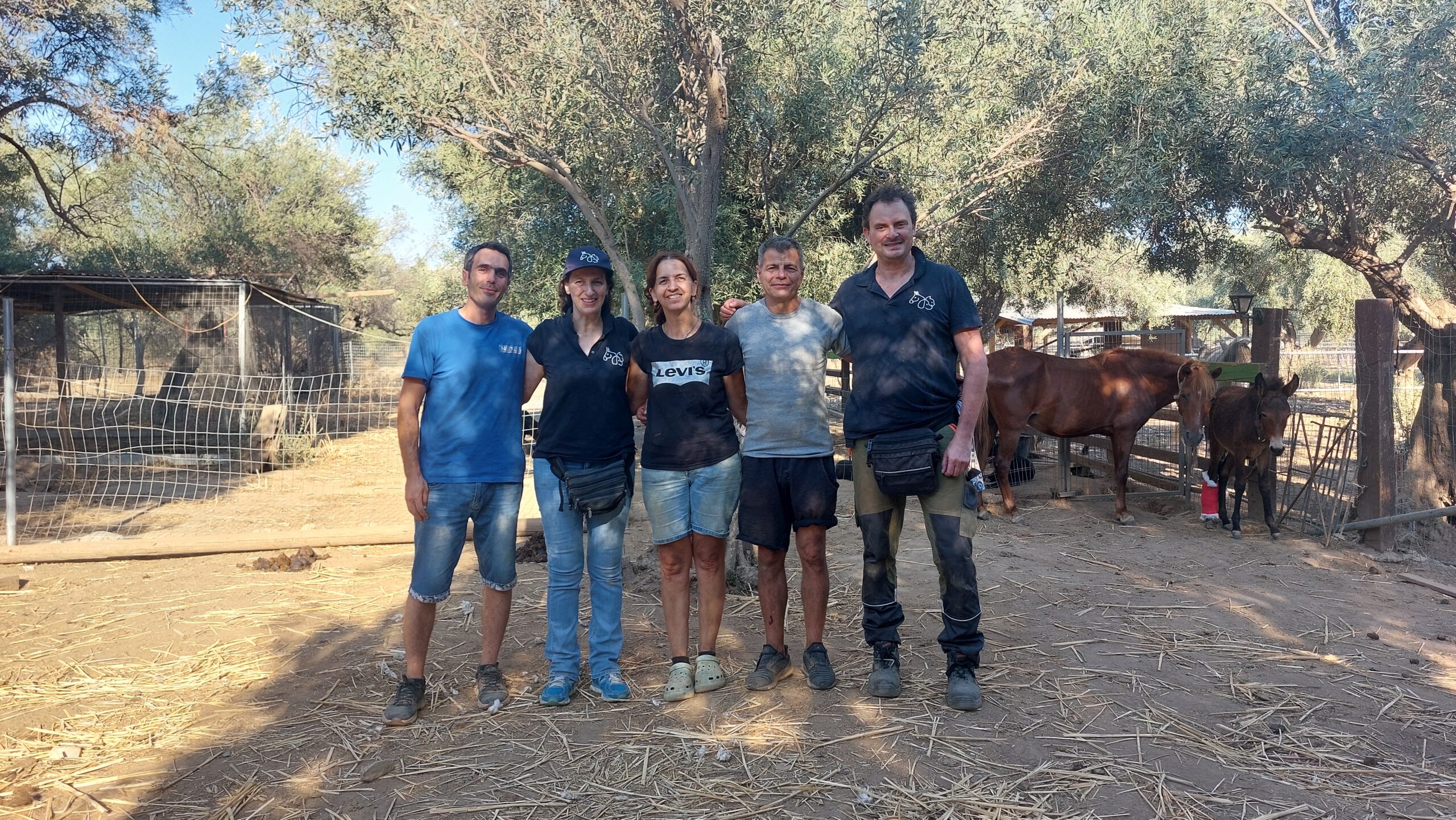
Arcadia Animal Care have friends and supporters from various places who help in many different ways. On the day of our visit, a group of volunteers from Argolida and from abroad offered their services through the NGO “Elpidochori” to help improve and organize the facilities. They also had the opportunity to observe our team caring for the equines.
Our team was happy to meet again with Giorgos, Petroula, and Christos, the Arcadia Animal Care people who care for hundreds of animals every day: dogs, horses, donkeys, sheep, pigs, goats, chickens and ducks. We thank them for the warm hospitality and the accommodation they offered.
It is their passion and determination that keep them going despite the constant difficulties and extremely limited resources. Animal Action Greece supports their efforts. However, they need every individual’s support – financially, by donating food or equipment, or by volunteering time and physical presence – to be able to continue maintaining a good standard of care.
They truly do an exceptional job. They need – and deserve – all the support they can get to continue their vital work.